
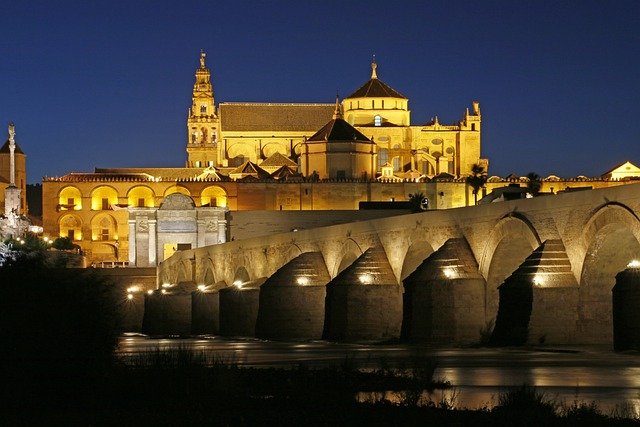
L’Espagne, située au sud-ouest de l’Europe, possède une histoire riche et complexe marquée par les influences des Romains, des Maures et des chrétiens. Le pays est devenu une puissance mondiale au XVIe siècle, notamment grâce à la découverte et à la colonisation des Amériques. Aujourd’hui, l’Espagne est une nation moderne et démocratique avec une culture variée, influencée par ses régions autonomes comme la Catalogne, l’Andalousie et le Pays basque. Chaque région a ses propres traditions, festivals et dialectes, et la culture espagnole est vivante à travers les célébrations comme la Semana Santa, les Fallas de Valence et les ferias locales. Le pays est également célèbre pour ses contributions à l’art, avec des artistes comme Picasso, Gaudí et Dalí, et sa musique, notamment le flamenco.
L’Espagne est un pays où l’histoire et la modernité se mêlent harmonieusement, offrant aux visiteurs une expérience culturelle unique.
Gastronomie Traditionnelle et Options Sans Gluten
La cuisine espagnole est variée, reflétant les influences méditerranéennes, arabes et européennes. Elle se distingue par l’utilisation d’ingrédients frais, comme l’huile d’olive, le poisson, les légumes et les viandes. Bien que certaines spécialités espagnoles contiennent du gluten, de nombreux plats traditionnels sont naturellement sans gluten ou peuvent être adaptés.
Voici quelques plats espagnols naturellement sans gluten :
- Paella : Ce plat emblématique à base de riz, souvent préparé avec du safran, des fruits de mer, du poulet ou du lapin, est naturellement sans gluten.
- Tortilla Española : Une omelette espagnole faite de pommes de terre et d’oignons, parfois servie avec des poivrons. Ce plat est naturellement sans gluten.
- Gazpacho : Une soupe froide à base de tomates, poivrons, concombres et oignons, parfaite pour l’été et naturellement sans gluten.
- Chorizo grillé : Le chorizo, une saucisse épicée à base de porc, est souvent servi grillé ou sauté. Vérifiez toujours que le produit est sans gluten, mais il est souvent naturellement sans gluten.
Ces plats offrent un aperçu des saveurs riches et diversifiées de la cuisine espagnole, tout en étant adaptés aux régimes sans gluten.
Les Incontournables à Visiter en Espagne
L’Espagne est une destination idéale pour les amateurs d’art, d’histoire et de nature. Voici quelques incontournables à visiter lors de votre séjour :
- Barcelone : La capitale de la Catalogne, célèbre pour son architecture moderniste, notamment la Sagrada Familia et le Parc Güell de Gaudí, ainsi que pour sa culture animée.
- Grenade : Ville historique connue pour l’Alhambra, un magnifique palais et forteresse qui témoigne de l’influence mauresque en Espagne.
- Madrid : La capitale espagnole abrite des musées de renommée mondiale, tels que le Prado, et des quartiers vibrants comme La Latina et Malasaña.
- Séville : La ville andalouse est célèbre pour son architecture mudéjare, sa cathédrale gothique et ses fêtes traditionnelles comme la Feria de Abril.
Ces lieux mettent en lumière la diversité culturelle et historique de l’Espagne, un pays aux multiples visages.
Recettes
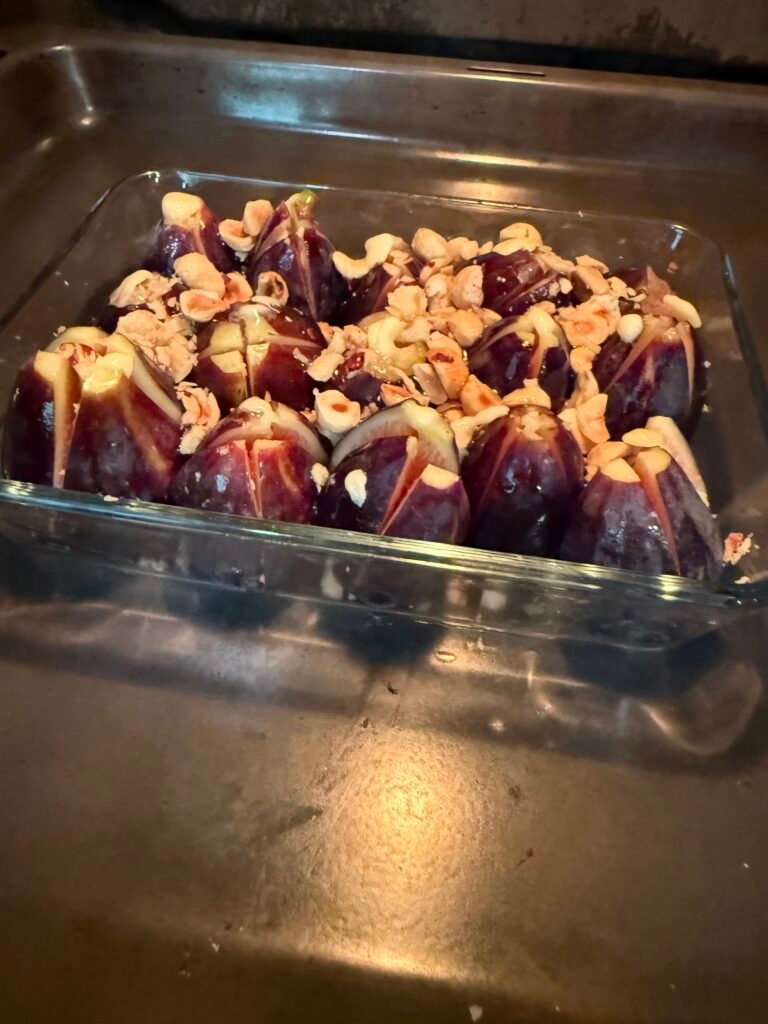
Figues rôties au miel et noisettes
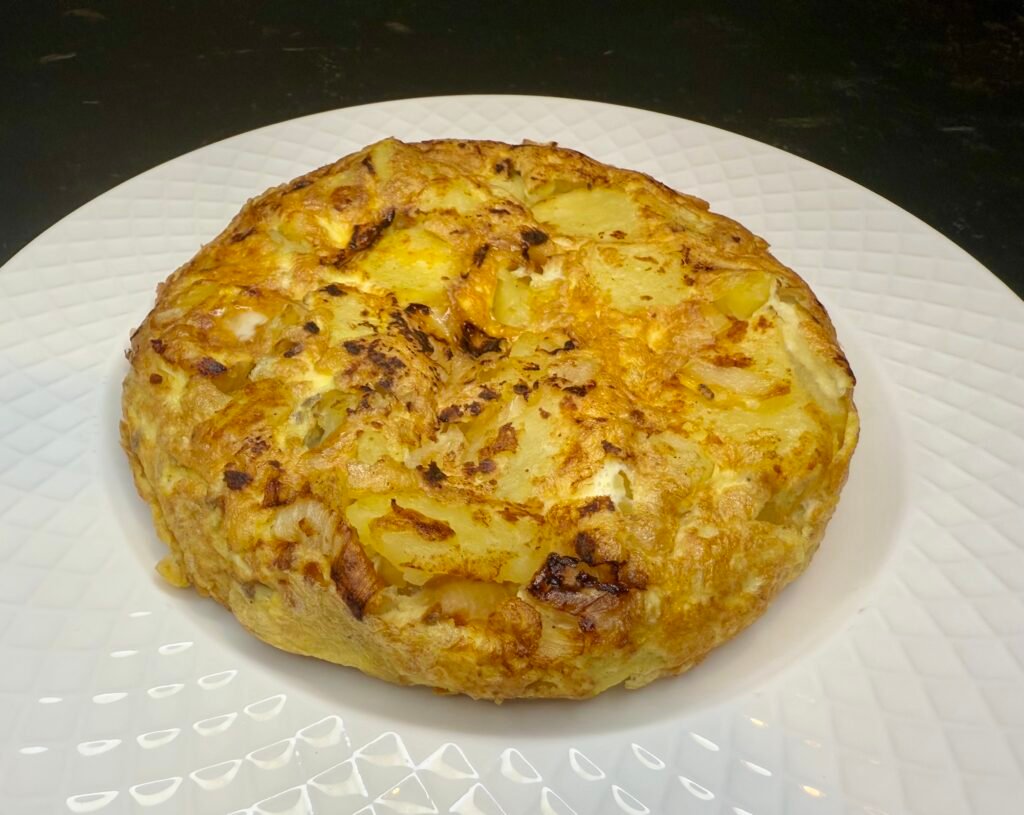
Tortilla de pommes de terre, l’incontournable des tapas espagnoles.
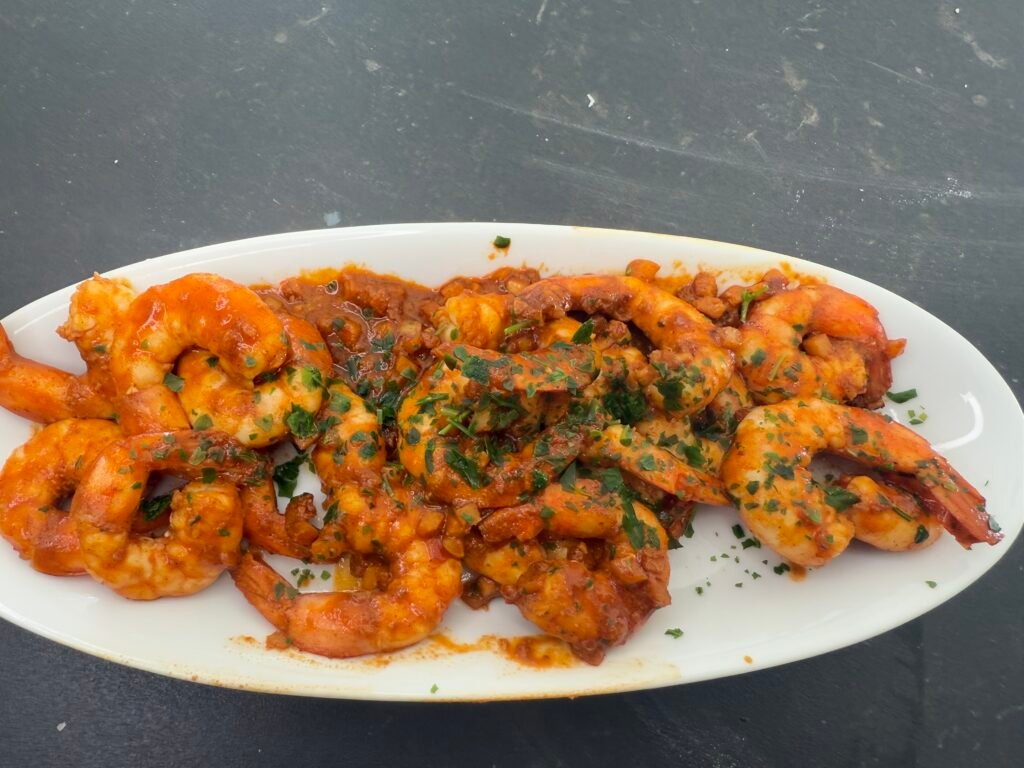
Crevettes à sautées à l’Ail: Un Classique Espagnol Gourmand et Sans Gluten 🇪🇸🦐
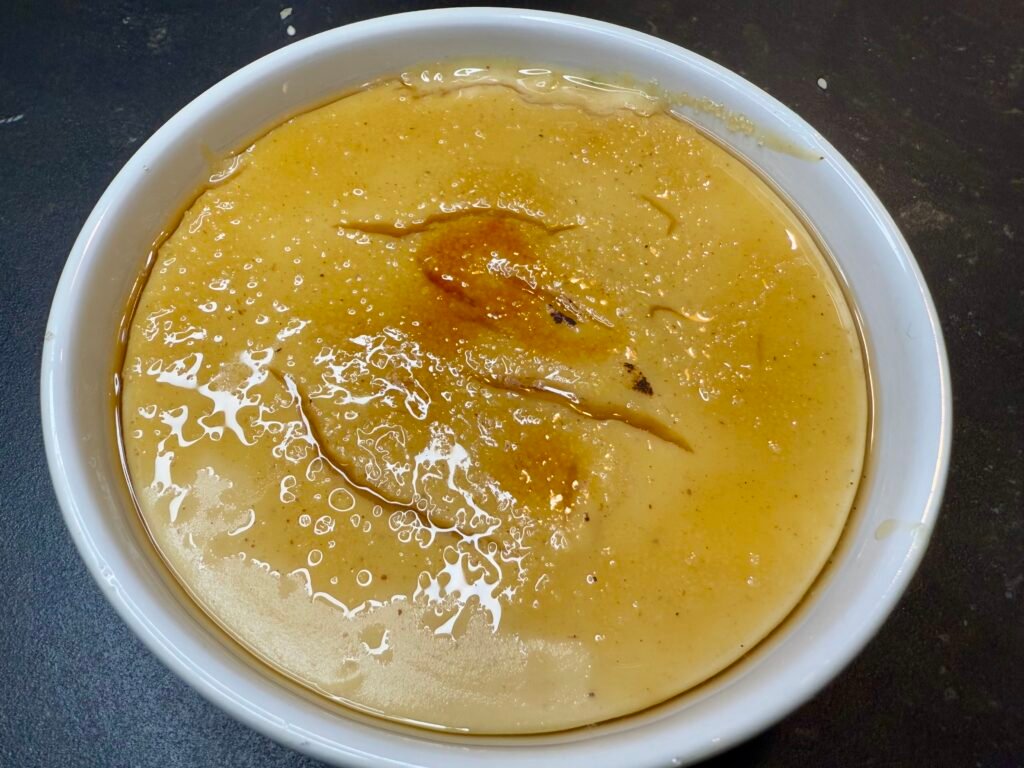
Crème Catalane au Citron : Le Dessert Espagnol Traditionnel et Sans Gluten 🇪🇸🍋
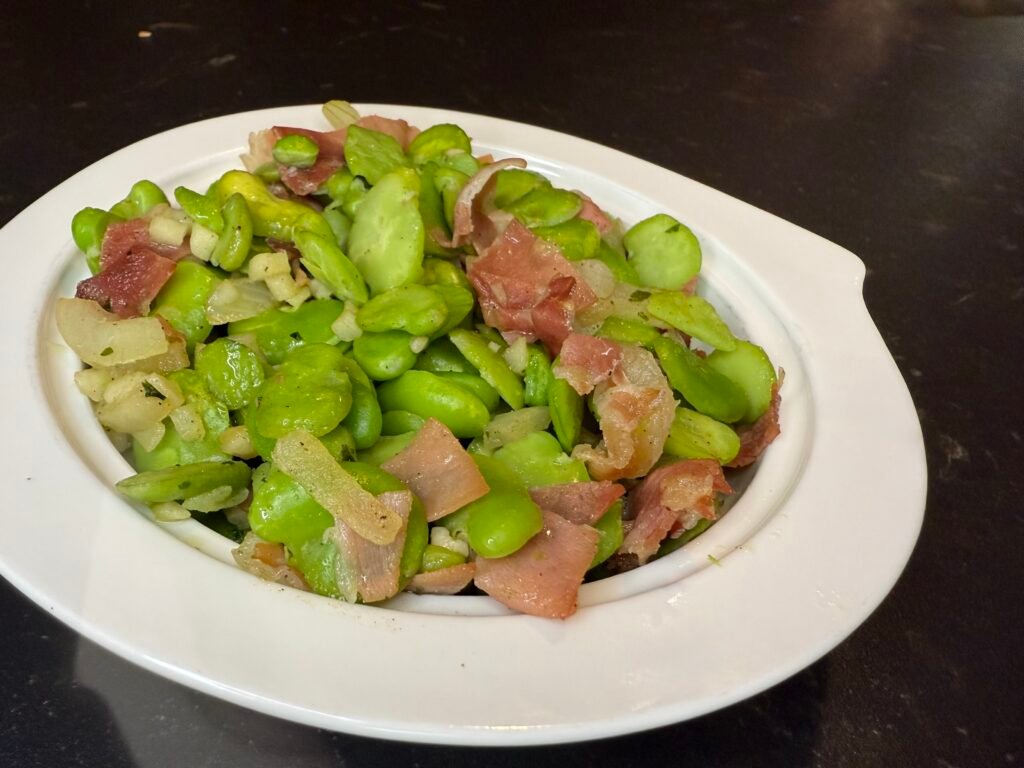
Fèves au jambon, recette traditionnelle espagnole
