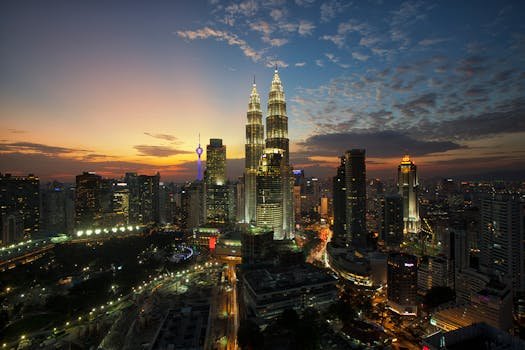
La Malaisie, située en Asie du Sud-Est, est un pays à la croisée des influences malaises, chinoises, indiennes et européennes. Son histoire est marquée par le commerce des épices et les routes maritimes qui ont attiré de nombreuses civilisations vers ses rivages. La Malaisie est aujourd’hui un pays multiculturel, divisé entre la Malaisie péninsulaire et la Malaisie orientale sur l’île de Bornéo. La population est composée de Malais, de Chinois, d’Indiens et de diverses communautés indigènes. Cette diversité se reflète dans les langues, les religions et les festivités, notamment les célébrations de l’Hari Raya (fin du Ramadan), du Nouvel An chinois et de Deepavali. La Malaisie est aussi réputée pour sa modernité, avec sa capitale Kuala Lumpur et les célèbres tours jumelles Petronas, tout en préservant des traditions ancestrales.
La culture malaisienne est un fascinant mélange de coutumes, de religions et de modes de vie, qui en fait une destination unique pour les voyageurs.
Gastronomie Traditionnelle et Options Sans Gluten
La cuisine malaisienne est le reflet de son melting-pot culturel, avec une fusion de saveurs malaises, chinoises, indiennes et thaïlandaises. De nombreux plats utilisent des ingrédients frais comme le lait de coco, le riz, les épices et les herbes locales. Pour ceux qui suivent un régime sans gluten, il existe une large variété d’options naturellement sans gluten dans la cuisine malaisienne.
Voici quelques plats traditionnels de Malaisie sans gluten :
- Nasi lemak : Ce plat emblématique est composé de riz cuit dans du lait de coco, accompagné de sambal (une sauce épicée), d’anchois, de cacahuètes, d’œufs et de légumes. Naturellement sans gluten, il est l’un des plats les plus populaires du pays.
- Satay : Des brochettes de viande grillée, servies avec une sauce aux arachides. Assurez-vous que la marinade ne contient pas de sauce soja pour maintenir ce plat sans gluten.
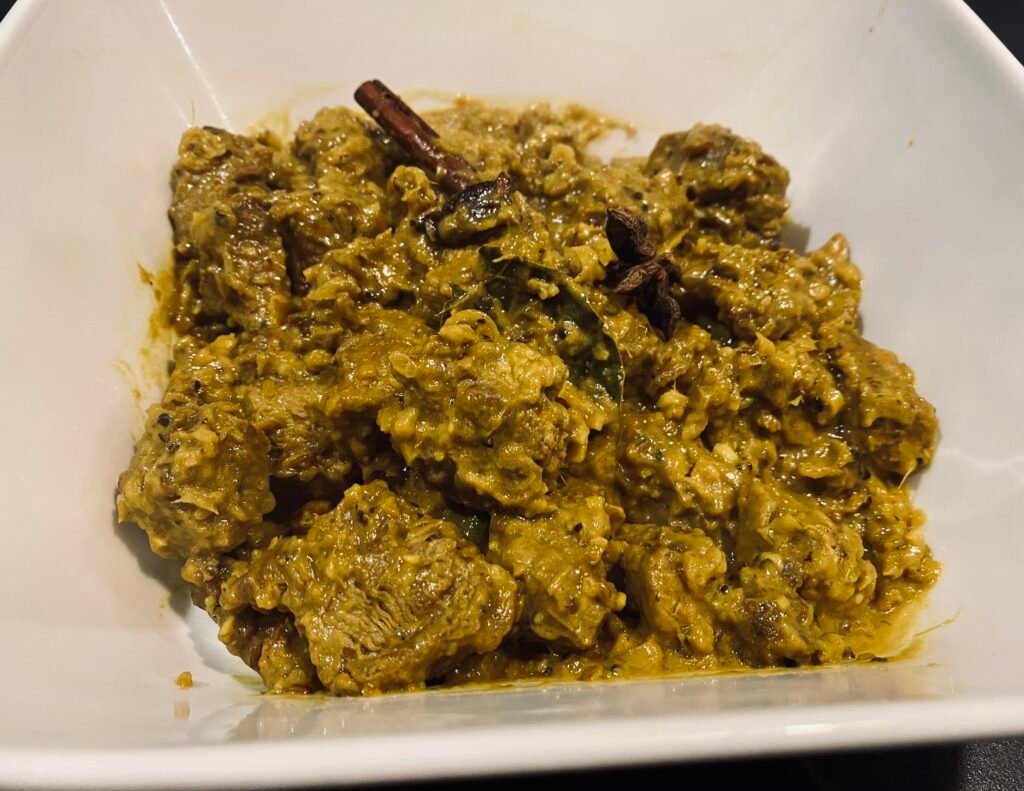
- Rendang : Un curry de bœuf épicé cuit lentement dans du lait de coco et des épices, servi avec du riz ou des légumes. Ce plat, originaire de la communauté malaisienne, est naturellement sans gluten.
- Laksa : Une soupe épicée à base de lait de coco ou de bouillon de tamarin, servie avec des nouilles de riz, des crevettes ou du poulet. Ce plat est naturellement sans gluten s’il est préparé avec des nouilles de riz.
Ces plats permettent de découvrir les saveurs riches et variées de la Malaisie tout en respectant un régime sans gluten.
Les Incontournables à Visiter en Malaisie
La Malaisie est un pays de contrastes, avec des gratte-ciel modernes, des temples historiques, des forêts tropicales et des plages paradisiaques. Voici quelques sites incontournables à visiter :
- Kuala Lumpur : La capitale est célèbre pour ses Tours Petronas, ses centres commerciaux modernes et ses quartiers historiques comme Chinatown et Little India.
- George Town, Penang : Ville classée au patrimoine mondial de l’UNESCO, George Town est un melting-pot culturel avec une architecture coloniale bien préservée, des temples et une scène culinaire de rue exceptionnelle.
- Les îles Perhentian : Ces îles idylliques sont un paradis pour les amateurs de plongée sous-marine et de snorkeling, avec leurs eaux cristallines et leur vie marine exceptionnelle.
- Le parc national de Gunung Mulu : Situé sur l’île de Bornéo, ce parc abrite des formations rocheuses impressionnantes, des grottes immenses et une biodiversité unique.
Ces sites révèlent la diversité naturelle et culturelle de la Malaisie, entre modernité et traditions.
Recettes
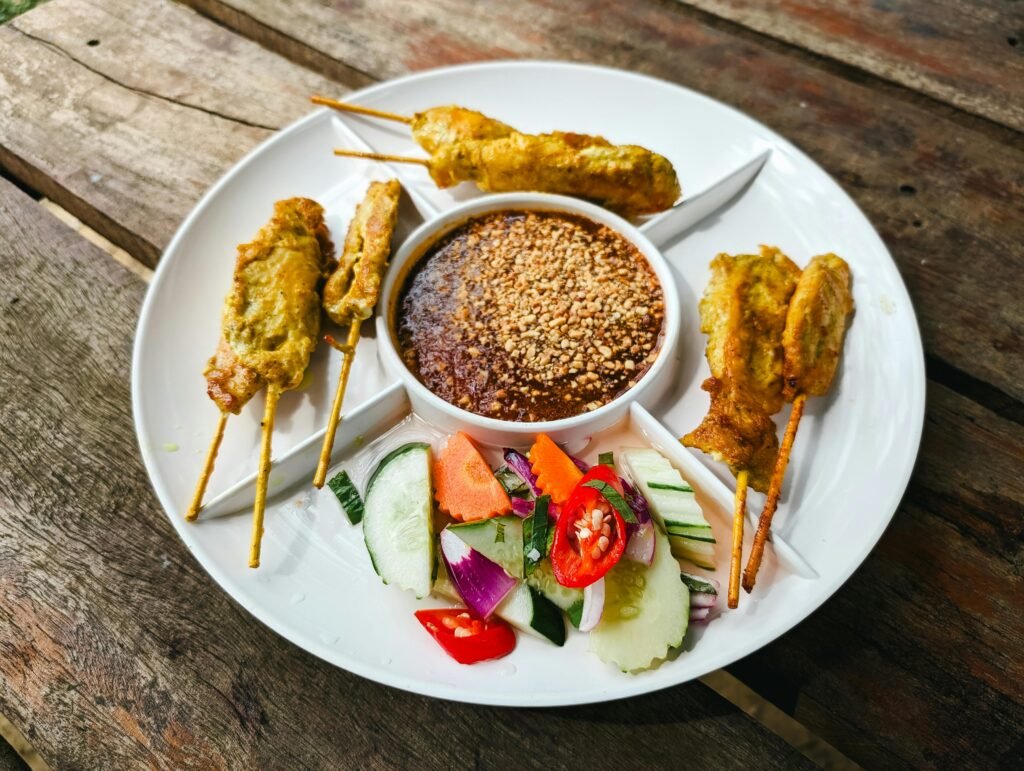
Brochettes de poulet satay: un grand classique du Sud-est asiatique
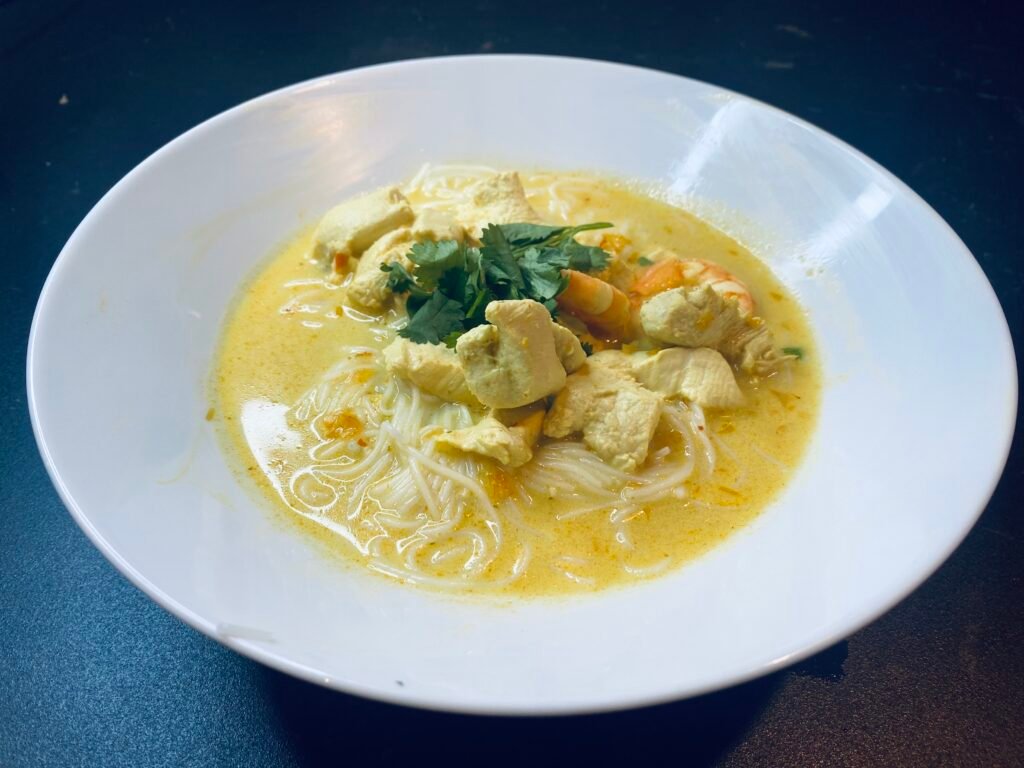
Laksa de Singapour sans gluten : un classique asiatique épicé et parfumé
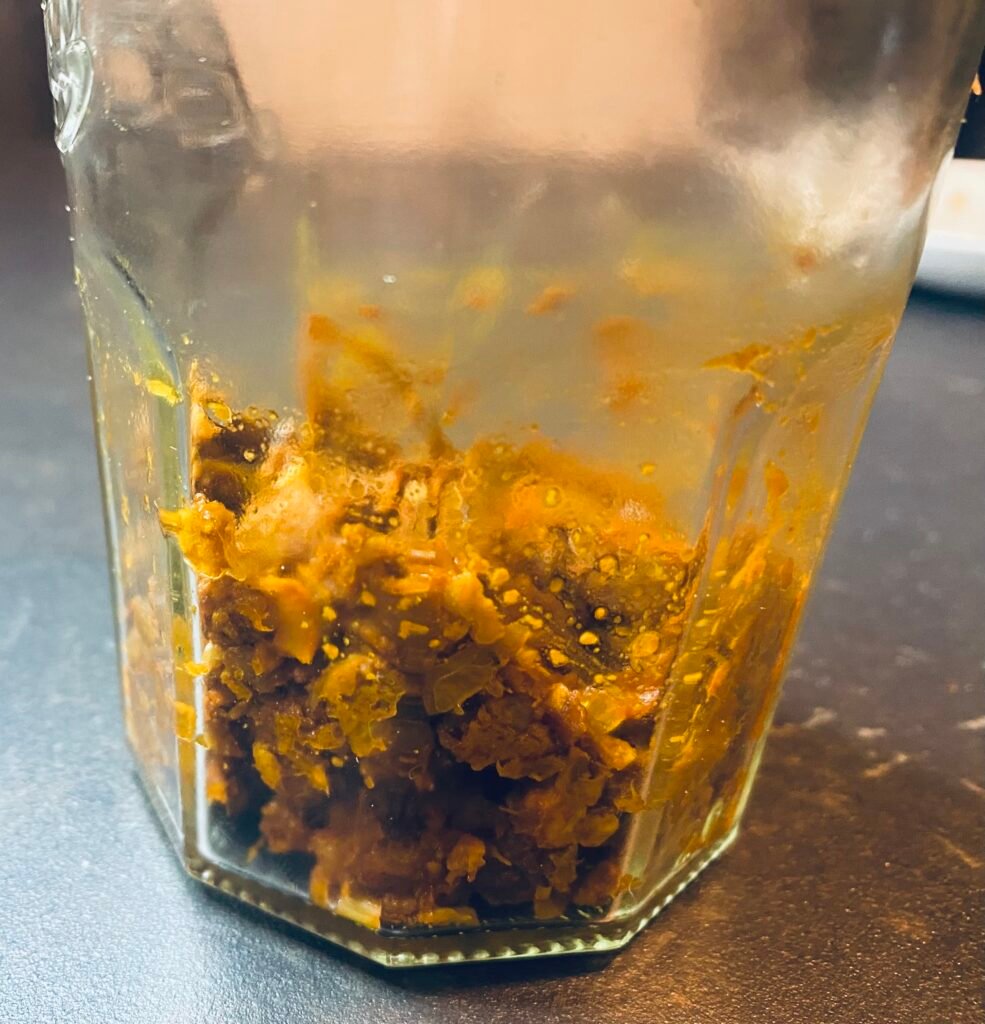
Pâte de Laksa maison : une base parfumée pour un Laksa singapourien authentique
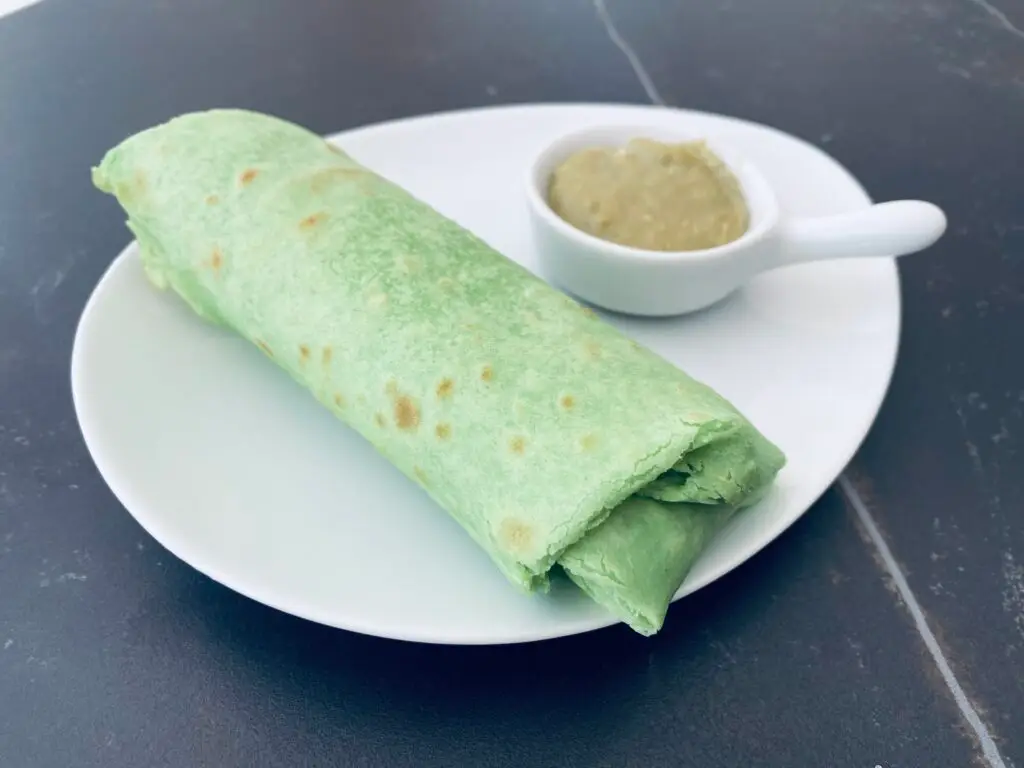
Crêpes vertes au pandan
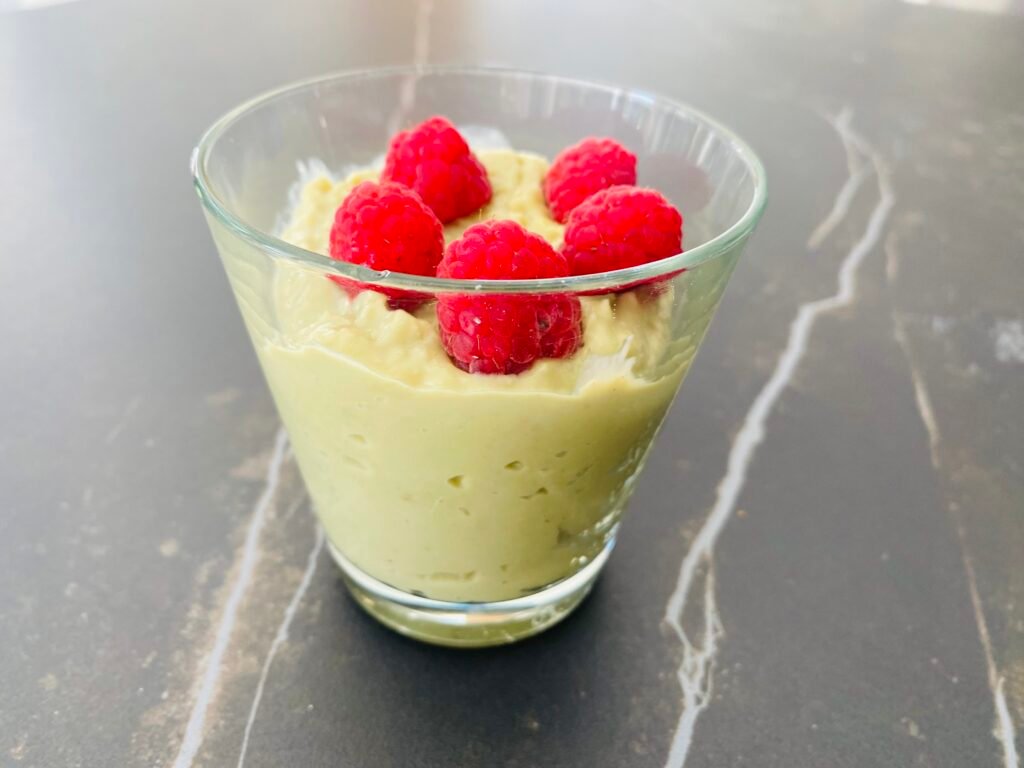
Crème au coco aux saveurs asiatiques