
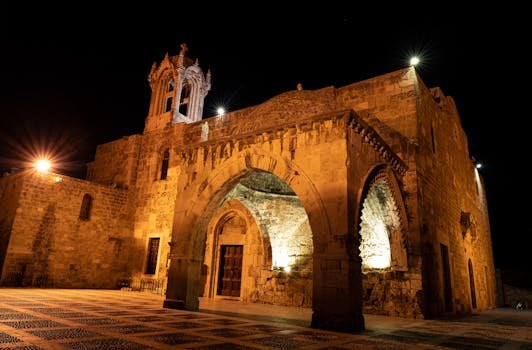
Le Liban, niché entre la Méditerranée et les montagnes, est un pays au riche passé historique. Berceau de la civilisation phénicienne, il a vu passer de nombreuses civilisations, des Romains aux Ottomans, en passant par les Croisés. Cette diversité historique a façonné une culture unique, où se mêlent traditions arabes, influences européennes et héritages antiques. Depuis l’indépendance en 1943, le Liban est connu comme le « Paris du Moyen-Orient » pour son raffinement et son ouverture culturelle, malgré les défis politiques et sociaux qu’il a traversés.
Le Liban est une terre où l’histoire ancienne rencontre une modernité vibrante, offrant une richesse culturelle inégalée.
Gastronomie Traditionnelle et Options Sans Gluten
La cuisine libanaise, reconnue dans le monde entier pour ses saveurs fraîches et parfumées, met à l’honneur des ingrédients sains comme les légumes, les légumineuses, les herbes fraîches et l’huile d’olive. Beaucoup de plats libanais sont naturellement sans gluten, ou facilement adaptables, ce qui en fait une cuisine parfaite pour les régimes spécifiques.
Voici quelques plats libanais naturellement sans gluten :
- Taboulé (version sans boulgour) : Une salade fraîche de persil, menthe, tomates et citron, préparée avec du quinoa ou de la semoule de riz.
- Houmous : Une purée de pois chiches assaisonnée de tahini, jus de citron et ail, servie comme entrée.
- Kebbé Nayé (sans blé) : Une tartare d’agneau ou de bœuf mélangé avec des épices et des oignons, adapté avec des céréales sans gluten.
- Fattouche (sans pain) : Une salade colorée avec des légumes frais, du sumac et de la mélasse de grenade.
Ces plats montrent comment la cuisine libanaise est à la fois savoureuse, variée et respectueuse des besoins alimentaires sans gluten.
Les Incontournables à Visiter au Liban
Le Liban, malgré sa petite taille, regorge de sites historiques, naturels et culturels à explorer. Voici quelques lieux incontournables :
- Beyrouth : La capitale vibrante, où la modernité côtoie l’histoire, avec des quartiers comme Gemmayzé et le Musée national.
- Baalbek : Une ville antique abritant des temples romains parmi les mieux conservés au monde.
- Byblos (Jbeil) : Une des plus anciennes villes habitées en continu, avec ses ruines phéniciennes, son vieux port et ses marchés.
- Les Cèdres du Liban : Ces arbres emblématiques, présents depuis des millénaires, sont protégés dans des réserves naturelles comme celle de Bcharré.
Ces site
Recettes
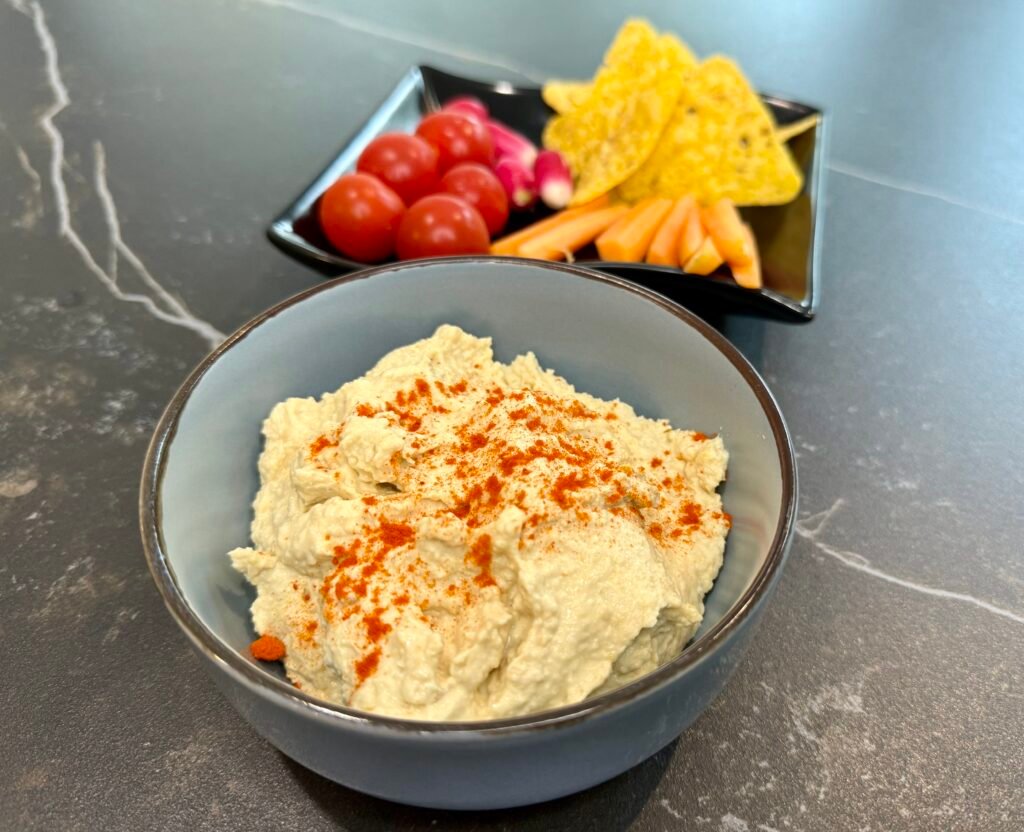
Houmous libanais : un dip onctueux pour un apéritif aux saveurs d’Orient
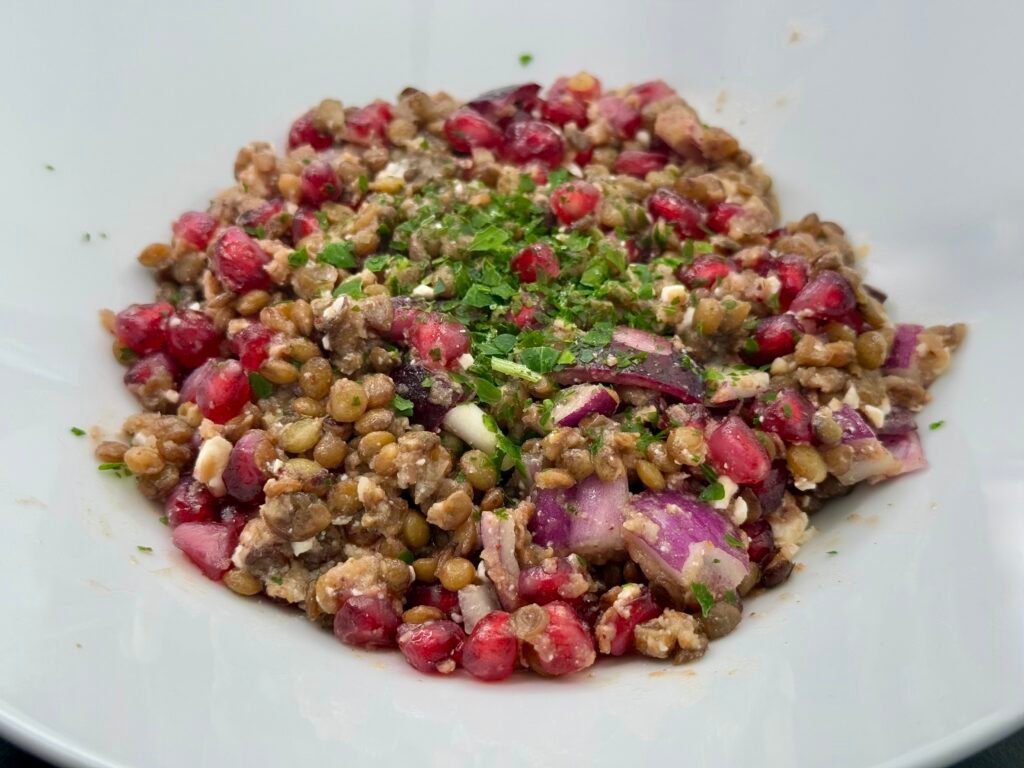
Salade de lentilles à la grenade, une recette typique du Moyen-Orient
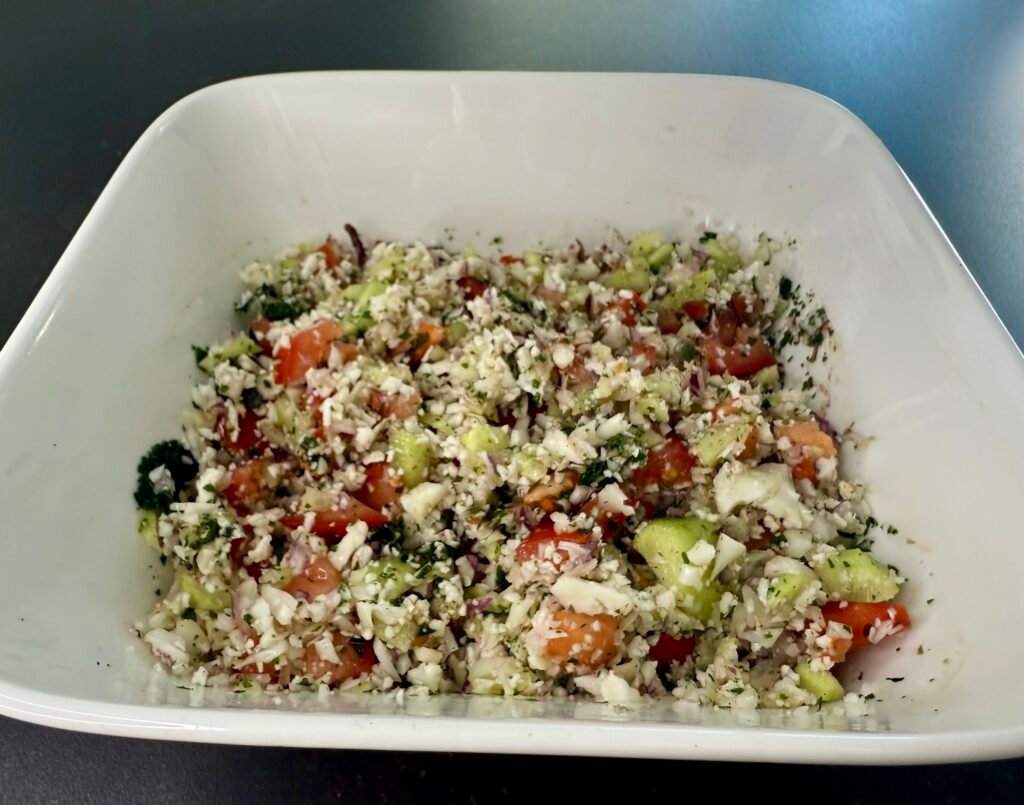
Taboulé de choux-fleur, d’inpiration libanaise
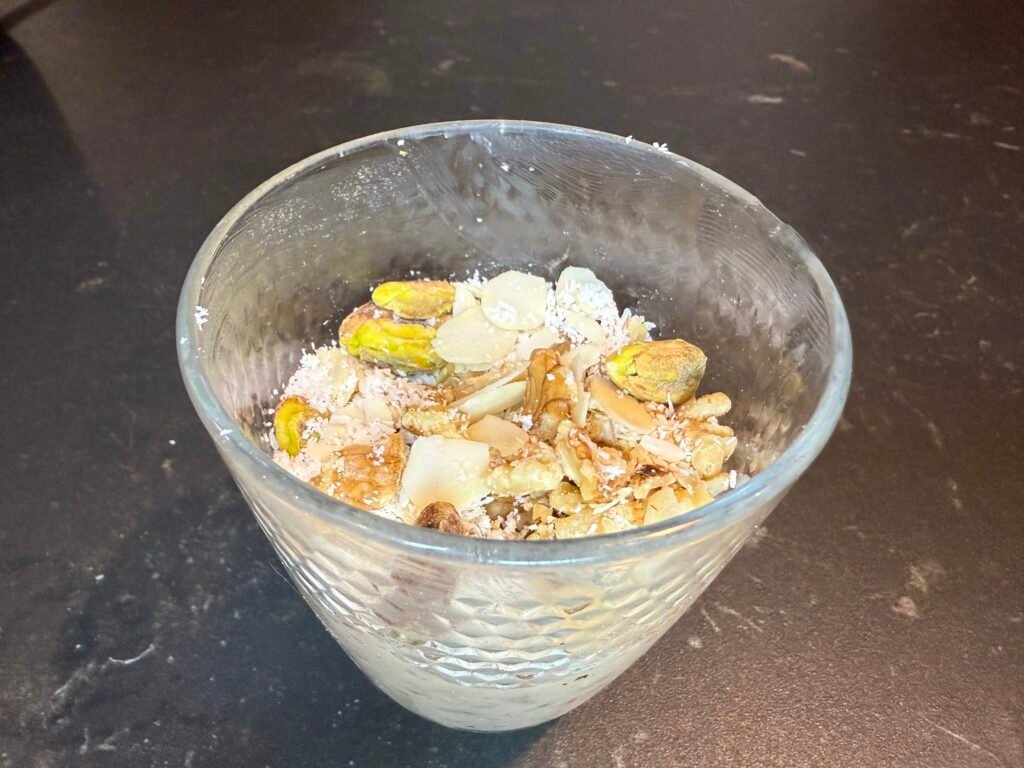
Meghli Libanais Sans Gluten : Un Dessert Traditionnel pour Noël
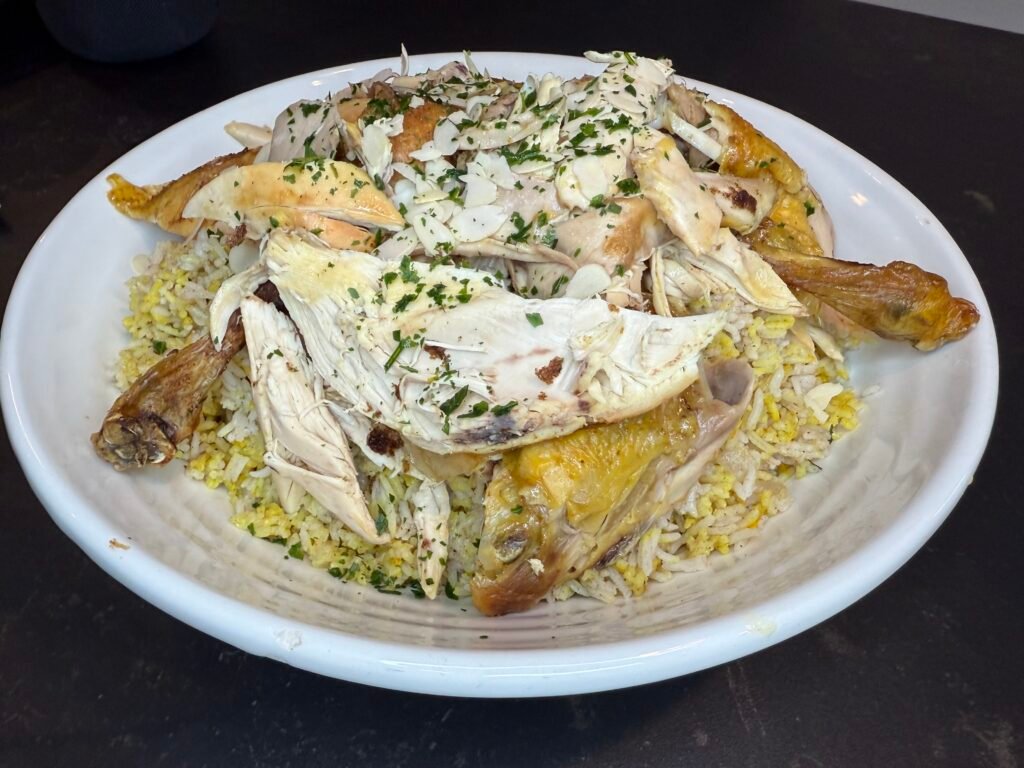
Poulet au Riz Parfumé aux 7 Épices du Liban, Rez a Djej (Sans Gluten)
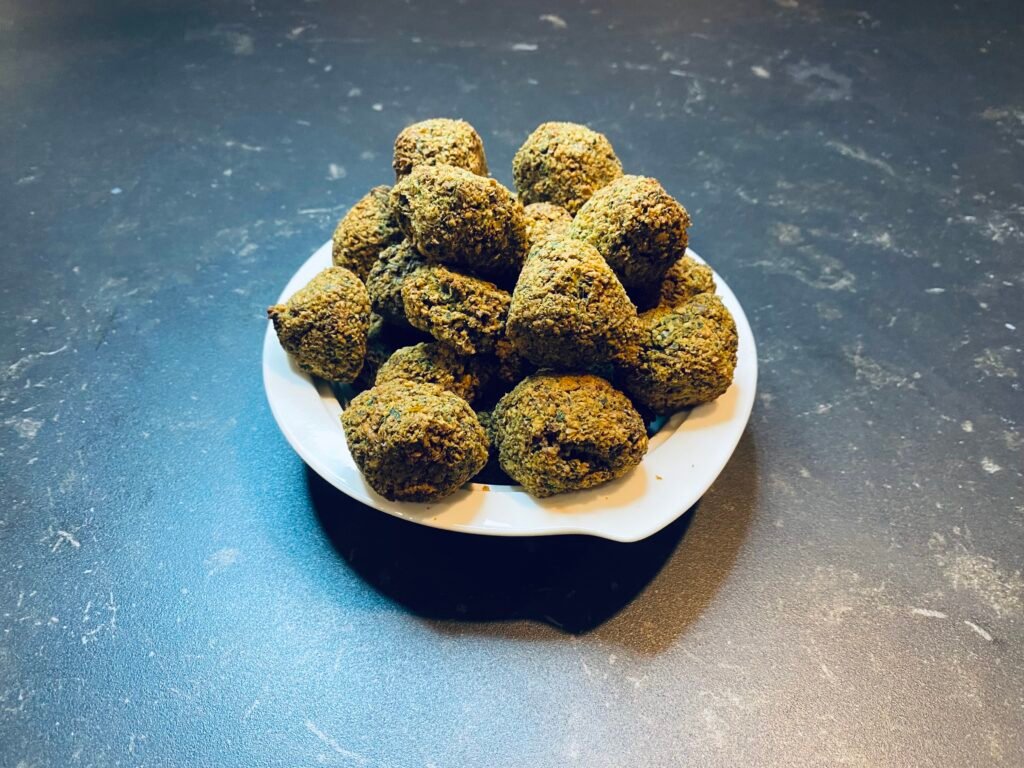
Falafels, végane et sans gluten
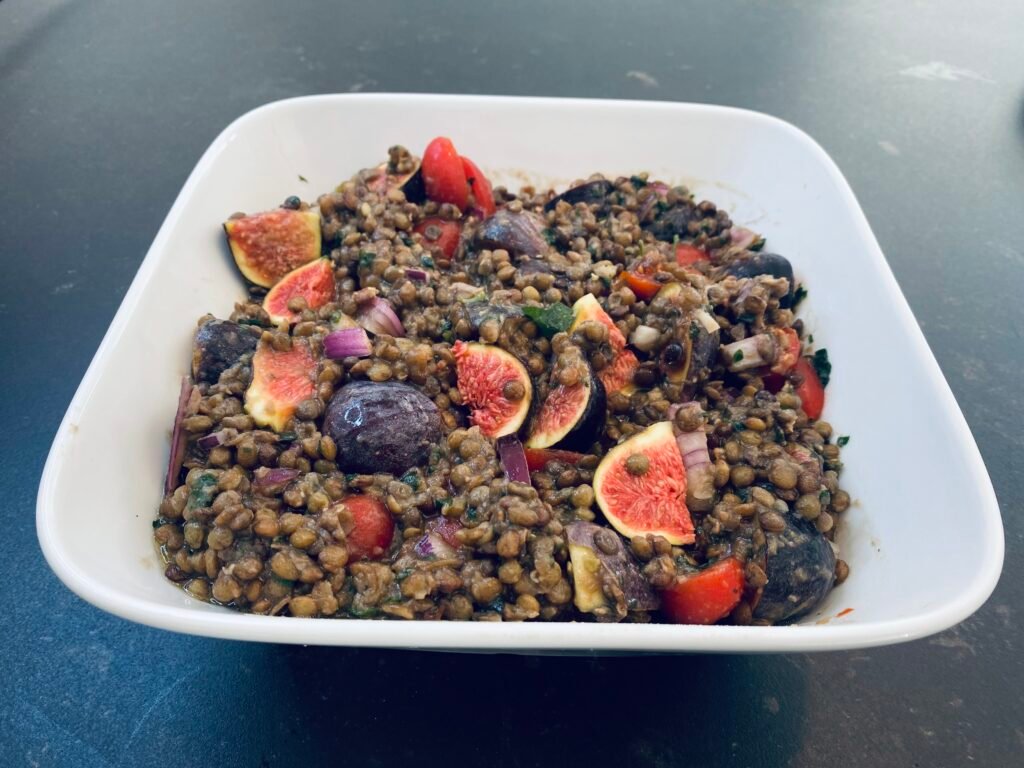
Salade de lentilles, figues et herbes fraîches, Liban
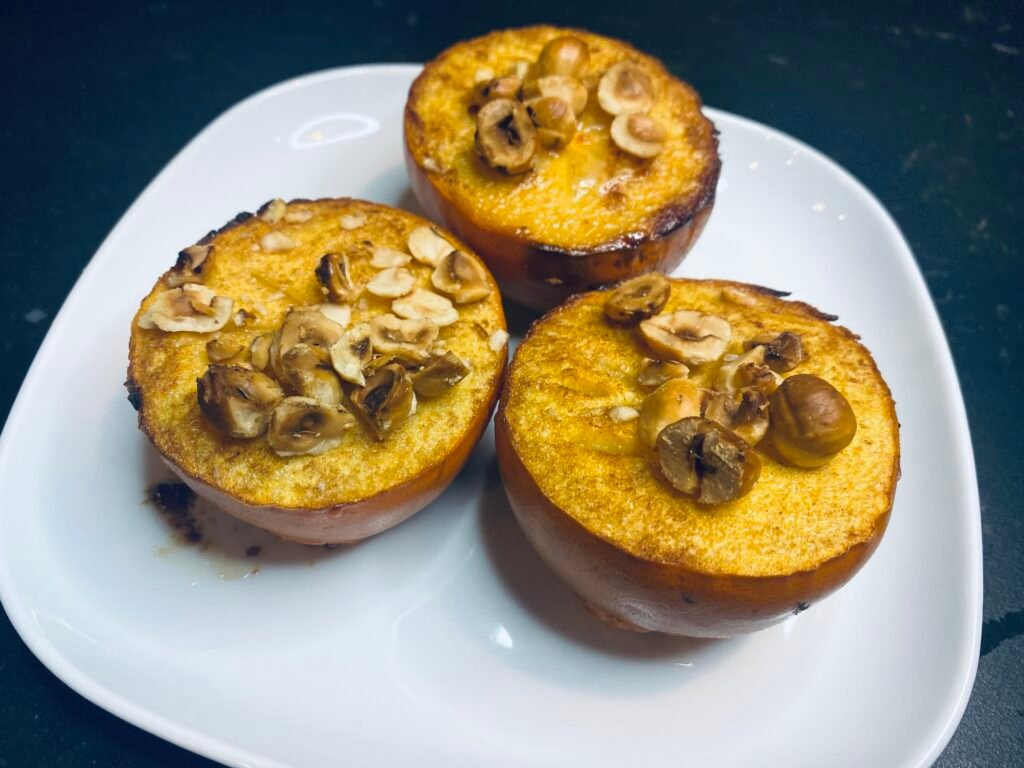
Kakis Rôtis au Miel et aux Noisettes (Liban)
