Les Philippines, un archipel de plus de 7 000 îles situées en Asie du Sud-Est, sont un véritable carrefour d’influences culturelles. L’histoire de l’archipel est marquée par les cultures autochtones, puis par plus de 300 ans de colonisation espagnole, suivis d’une brève occupation américaine. Cette histoire complexe a laissé une empreinte indélébile sur la culture philippine, où l’on trouve un mélange unique de traditions asiatiques, espagnoles et américaines. Les Philippins sont majoritairement catholiques, une influence de la colonisation espagnole, et la société est ponctuée de célébrations religieuses et de festivals, comme le Sinulog à Cebu et le Pahiyas à Lucban. Les Philippins, connus pour leur hospitalité et leur joie de vivre, expriment leur culture à travers la musique, la danse et l’artisanat.
L’archipel offre une diversité culturelle fascinante, où chaque région possède ses propres traditions, dialectes et spécialités culinaires.
Gastronomie Traditionnelle et Options Sans Gluten
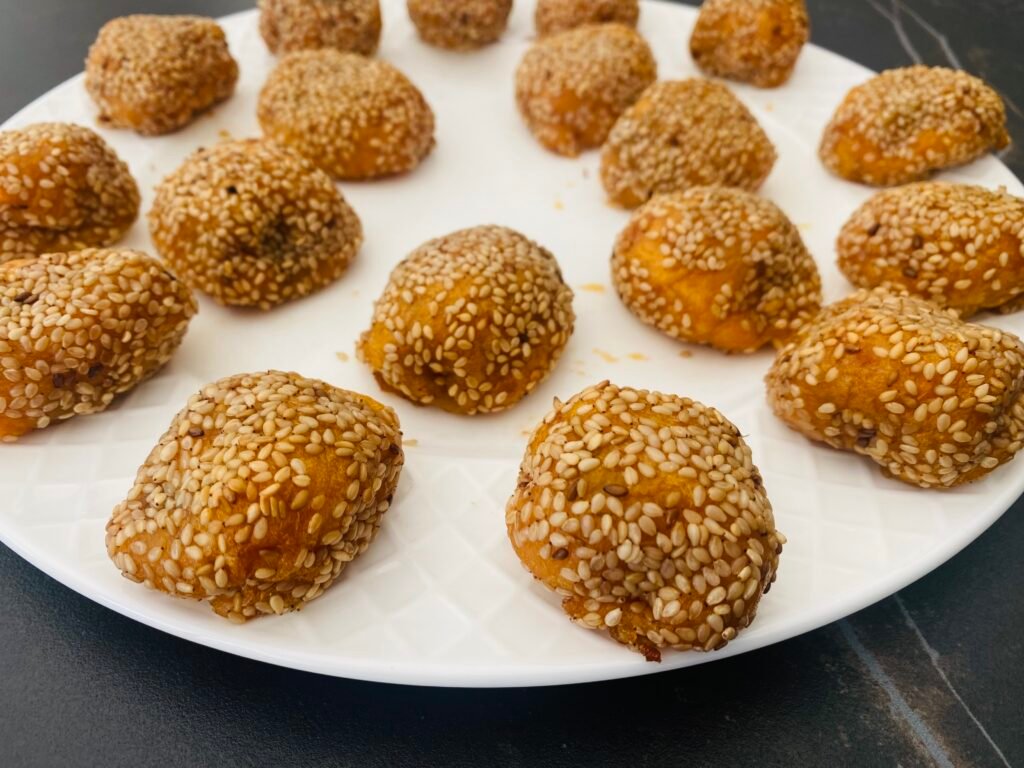
La cuisine philippine est riche, variée et influencée par des siècles d’interactions avec les cultures espagnole, chinoise et malaisienne. Elle se caractérise par des plats copieux à base de viande, de poisson et de riz, souvent accompagnés de sauces aigres-douces ou salées. Heureusement pour ceux qui suivent un régime sans gluten, plusieurs plats philippins sont naturellement sans gluten ou peuvent être facilement adaptés.
Voici quelques plats philippins sans gluten :
- Adobo : L’un des plats les plus emblématiques des Philippines, fait avec du poulet ou du porc, mijoté dans une sauce à base de vinaigre, de sauce soja sans gluten, d’ail et de poivre. Ce plat est naturellement sans gluten avec des ingrédients appropriés.
- Sinigang : Une soupe aigre à base de tamarin, souvent cuisinée avec du poisson ou des crevettes et accompagnée de légumes. Ce plat est léger et naturellement sans gluten.
- Lechon kawali : Du porc frit croustillant, généralement servi avec une sauce à base de vinaigre ou de sauce de poisson, et naturellement sans gluten.
- Kinilaw : Un plat de poisson cru mariné dans du vinaigre avec des oignons, des piments et du gingembre. Une option rafraîchissante et sans gluten.
Ces plats traditionnels permettent aux voyageurs de savourer les saveurs authentiques des Philippines tout en respectant leur régime sans gluten.
Les Incontournables à Visiter aux Philippines
Les Philippines regorgent de paysages spectaculaires et de sites historiques à découvrir. Voici quelques destinations incontournables lors de votre voyage :
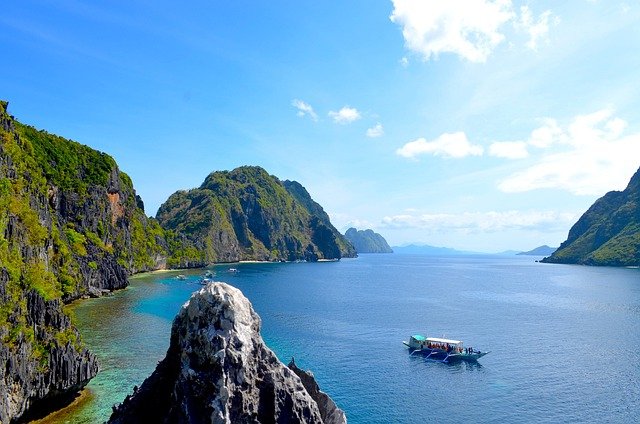
- Palawan : Souvent appelée la plus belle île du monde, Palawan est connue pour ses plages de sable blanc, ses lagons turquoise et ses récifs coralliens, parfaits pour la plongée et le snorkeling.
- Les rizières en terrasses de Banaue : Classées au patrimoine mondial de l’UNESCO, ces rizières vieilles de 2 000 ans sont un exemple impressionnant de l’ingénierie agricole indigène.
- Vigan : Cette ville coloniale espagnole située sur l’île de Luzon est inscrite au patrimoine mondial de l’UNESCO. Ses rues pavées et son architecture bien préservée transportent les visiteurs à l’époque coloniale.
- Bohol et les Chocolate Hills : Cette île est célèbre pour ses Chocolate Hills, une formation géologique unique de plus de 1 000 collines en forme de dôme, ainsi que pour ses petites créatures emblématiques, les tarsiers.
Ces sites offrent un aperçu de la biodiversité et du patrimoine culturel exceptionnels des Philippines.