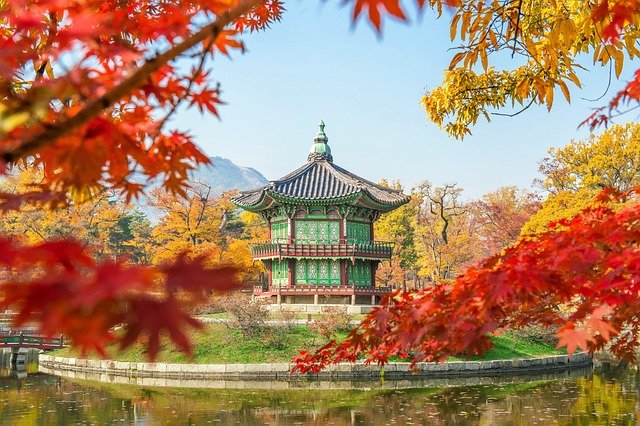
La Corée, une péninsule de l’Asie de l’Est, possède une histoire riche et complexe qui remonte à plus de 5 000 ans. Les dynasties anciennes, comme celles de Silla, Goryeo et Joseon, ont laissé une empreinte indélébile sur la culture coréenne moderne. Au XXe siècle, la Corée a été marquée par l’occupation japonaise et la guerre de Corée, qui ont conduit à la division du pays en Corée du Nord et Corée du Sud. Aujourd’hui, la Corée du Sud est reconnue pour sa modernité et son dynamisme culturel, avec des traditions anciennes qui coexistent harmonieusement avec les tendances contemporaines. La K-culture (culture coréenne), notamment la K-pop, les dramas et les arts martiaux, a captivé l’attention mondiale.
La Corée est un pays où l’histoire millénaire rencontre l’innovation moderne, créant une culture unique et fascinante.
Gastronomie Traditionnelle et Options Sans Gluten
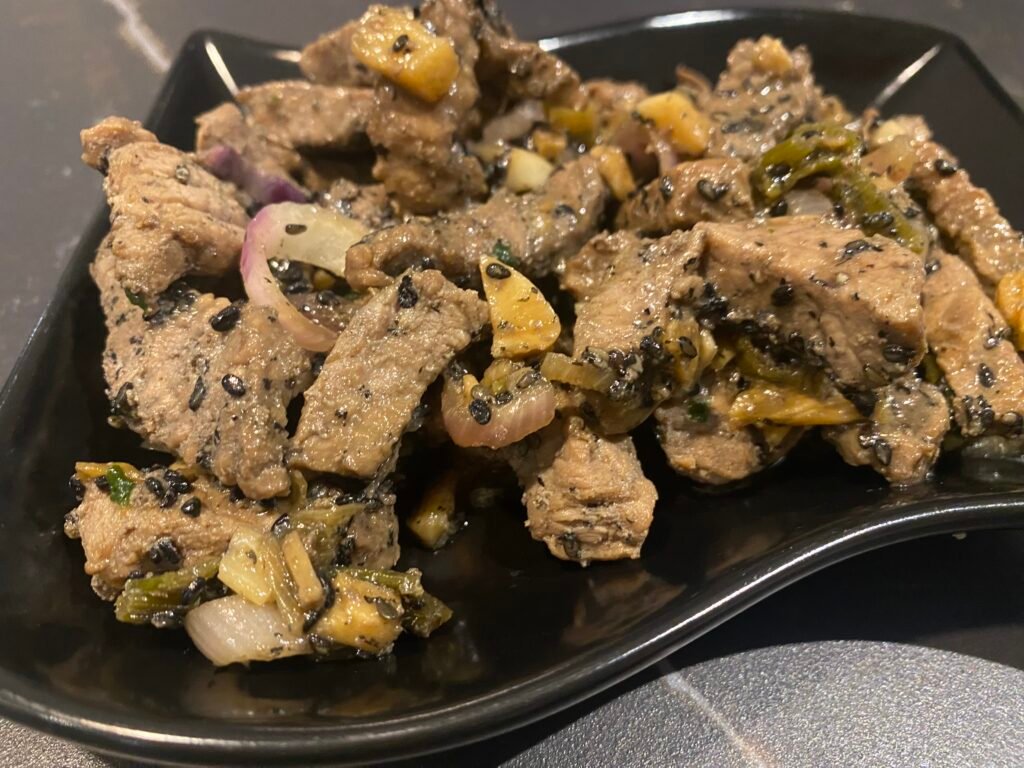
La cuisine coréenne est réputée pour sa richesse en saveurs, ses techniques de fermentation et son utilisation d’ingrédients frais et épicés. Les plats traditionnels coréens sont variés, et de nombreux mets peuvent être adaptés pour un régime sans gluten, notamment ceux qui utilisent des bases de riz, de légumes, de viande et de poisson.
Voici quelques plats coréens naturellement sans gluten :
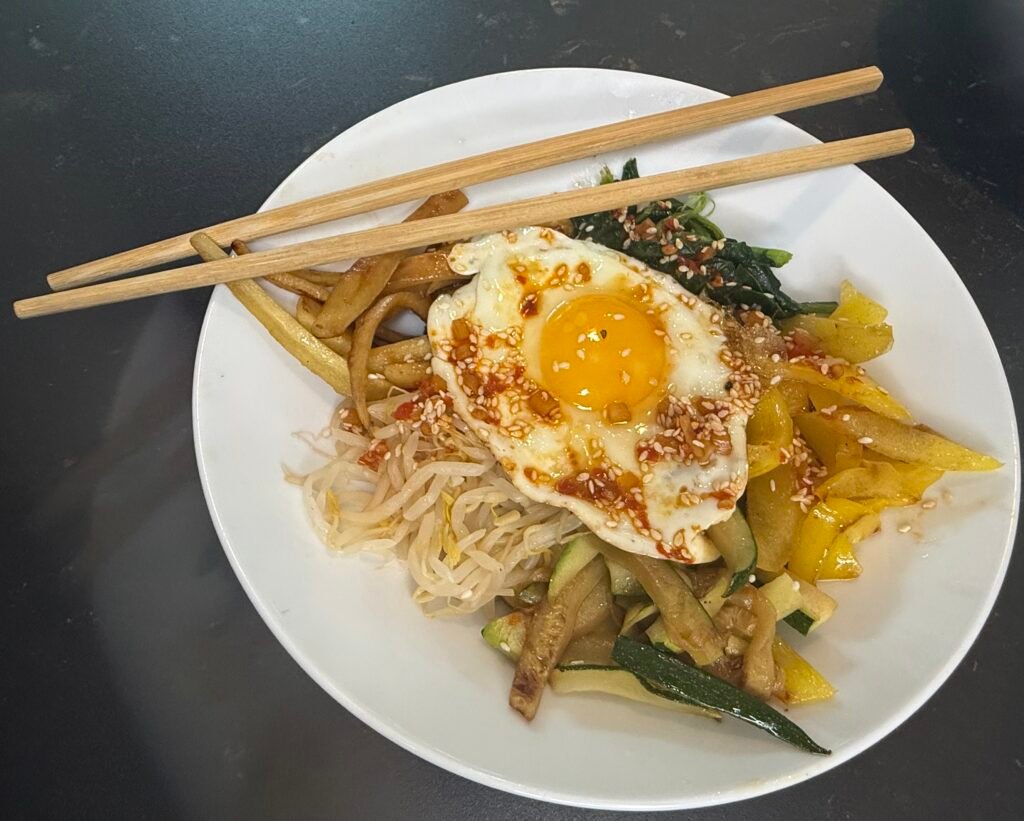
- Bibimbap : Un bol de riz garni de légumes sautés, de viande marinée et souvent d’un œuf au plat, servi avec de la sauce gochujang (assurez-vous de choisir une sauce sans gluten).
- Galbi : Des côtes de bœuf marinées dans une sauce légèrement sucrée et salée, puis grillées, un plat naturellement sans gluten avec une marinade adaptée.
- Kimchi : Ce plat bien connu de chou fermenté épicé est naturellement sans gluten, parfait pour accompagner de nombreux plats.
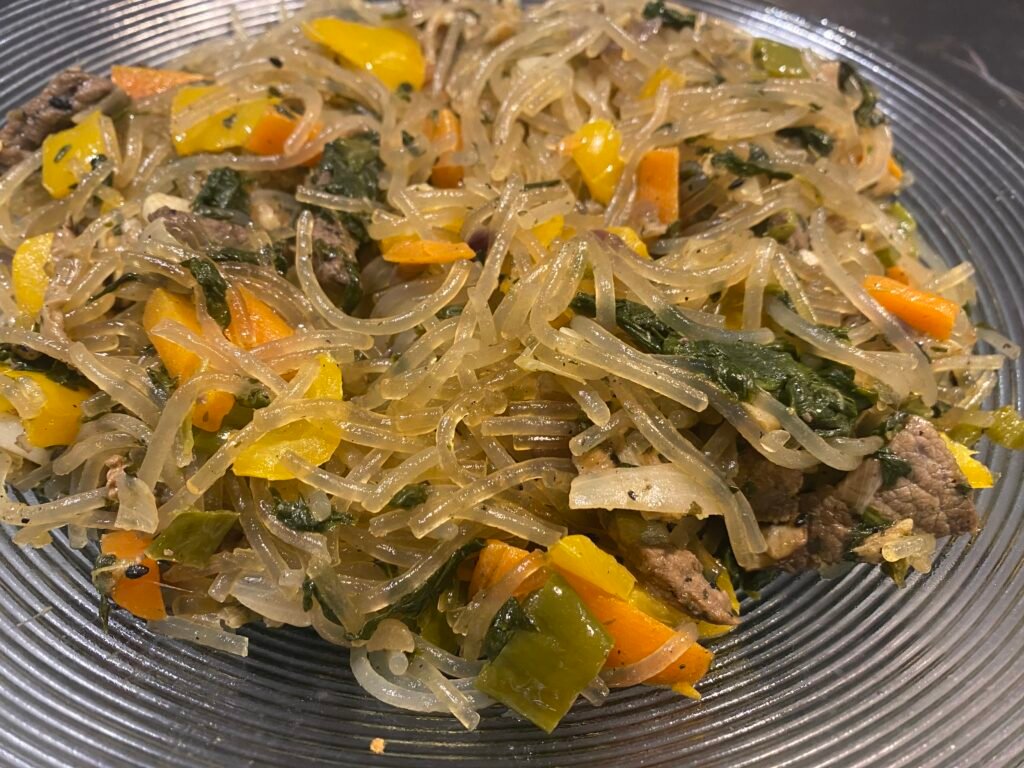
- Japchae : Des nouilles de patates douces sautées avec des légumes et de la viande, une option naturellement sans gluten grâce à l’utilisation de nouilles à base de fécule.
Ces plats montrent la diversité et les saveurs de la cuisine coréenne, tout en offrant des alternatives adaptées aux régimes sans gluten.
Les Incontournables à Visiter en Corée
La Corée offre une grande variété de sites historiques, culturels et naturels à explorer. Voici quelques incontournables à visiter lors de votre voyage :
- Séoul : La capitale dynamique, avec des sites comme le Palais Gyeongbokgung, la Tour Namsan, et les quartiers modernes comme Gangnam.
- Busan : Une ville portuaire célèbre pour ses plages, son marché aux poissons de Jagalchi et ses temples comme Beomeosa.
- Gyeongju : Connu sous le nom de “musée sans murs”, Gyeongju abrite de nombreux sites historiques, dont les tombes royales de Silla et l’observatoire Cheomseongdae.
- Île de Jeju : Une île volcanique prisée pour ses plages, ses sentiers de randonnée et sa célèbre grotte de Manjanggul, l’une des plus longues grottes de lave au monde.
Ces lieux offrent un aperçu de la richesse historique, culturelle et naturelle de la Corée, un pays de contrastes et de beauté.ur historique et la beauté naturelle de la Chine, à découvrir absolument.