
Japan, an archipelago in East Asia, boasts a millennia-old history marked by periods of imperial grandeur, clan wars, and rapid modernization. From the era of samurai and shoguns, Japan has evolved into a global technological and economic powerhouse, all while preserving its ancient traditions. The influences of Buddhism and Shintoism are pervasive in Japanese culture, evident in the temples, shrines, and festivals celebrated throughout the year. The seasons also shape the daily lives of the Japanese, with celebrations like Hanami (cherry blossom viewing) and Matsuri (local festivals) honoring the beauty of nature and tradition.
Japan, with its large modern cities like Tokyo and Osaka , as well as its peaceful rural areas like Kyoto and Nara , offers a striking contrast between tradition and modernity.
Traditional Gastronomy and Gluten-Free Options
Japanese cuisine, with its simplicity and delicate flavors, is one of the most famous in the world. Although Japanese dishes often use soy and wheat-based sauces, there are many naturally gluten-free options. Rice, fresh fish, and vegetables are at the heart of this cuisine, offering suitable alternatives for people with gluten intolerance.
Here are some traditional Japanese dishes that are gluten-free:
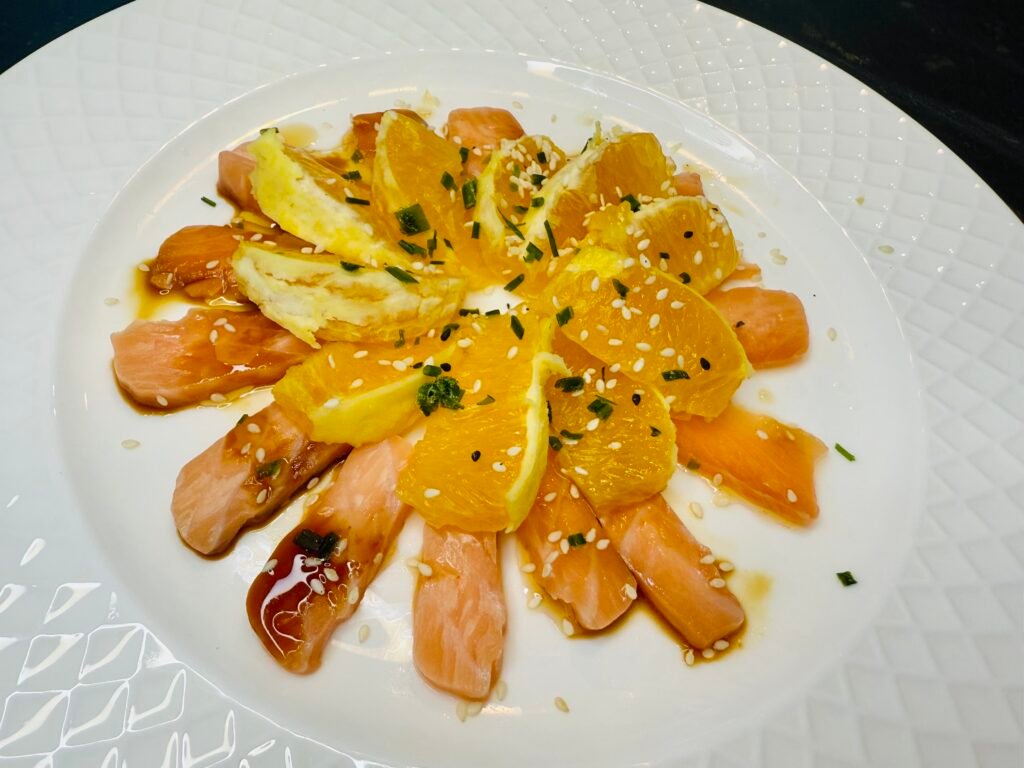
- Sashimi : Slices of raw fish, often accompanied by wasabi and gluten-free soy sauce. A simple and naturally gluten-free dish.
- Sushi (with rice and raw fish) : Although classic soy sauce contains gluten, sushi, consisting of vinegared rice and fresh fish, is naturally gluten-free when served with gluten-free soy sauce.
- Gluten-free Yakisoba : This stir-fried noodle dish can be prepared with buckwheat noodles (100% wheat-free) or rice noodles for a gluten-free version.
- Yudofu : A boiled tofu dish served with a light sauce made from dashi, a traditional fish broth. It is naturally gluten-free and a vegetarian option.
These dishes demonstrate the balance between the simple, natural ingredients that Japanese cuisine is famous for, while also offering alternatives suitable for a gluten-free diet.
Must-See Attractions in Japan
Japan is a land of striking contrasts, with ultramodern cities and fascinating natural and historical sites. Here are a few must-see destinations:
- Kyoto : The former imperial capital, Kyoto is home to magnificent temples and shrines, such as Kinkaku-ji (Golden Pavilion) and Fushimi Inari-taisha , famous for its thousands of red torii gates.
- Tokyo : The capital of Japan is a dynamic city where futuristic skyscrapers, modern shopping centers and historic districts like Asakusa and Akihabara .
- Nara : This ancient capital is known for its ancient temples and free-roaming deer that roam its parks. The Great Buddha of Nara and Todai-ji Temple are must-see sites.
- Mount Fuji : Mount Fuji, a symbol of Japan, is a popular hiking destination, but also a place for spiritual contemplation, visible from Tokyo in clear weather.
These places illustrate the cultural and natural diversity of Japan, between ancient tradition and striking modernity. These places represent the historical grandeur and natural beauty of China, which are absolutely worth discovering.
Travel

Japan
Japan is a destination my husband had dreamed of visiting for a long time. As for me…
Recipes
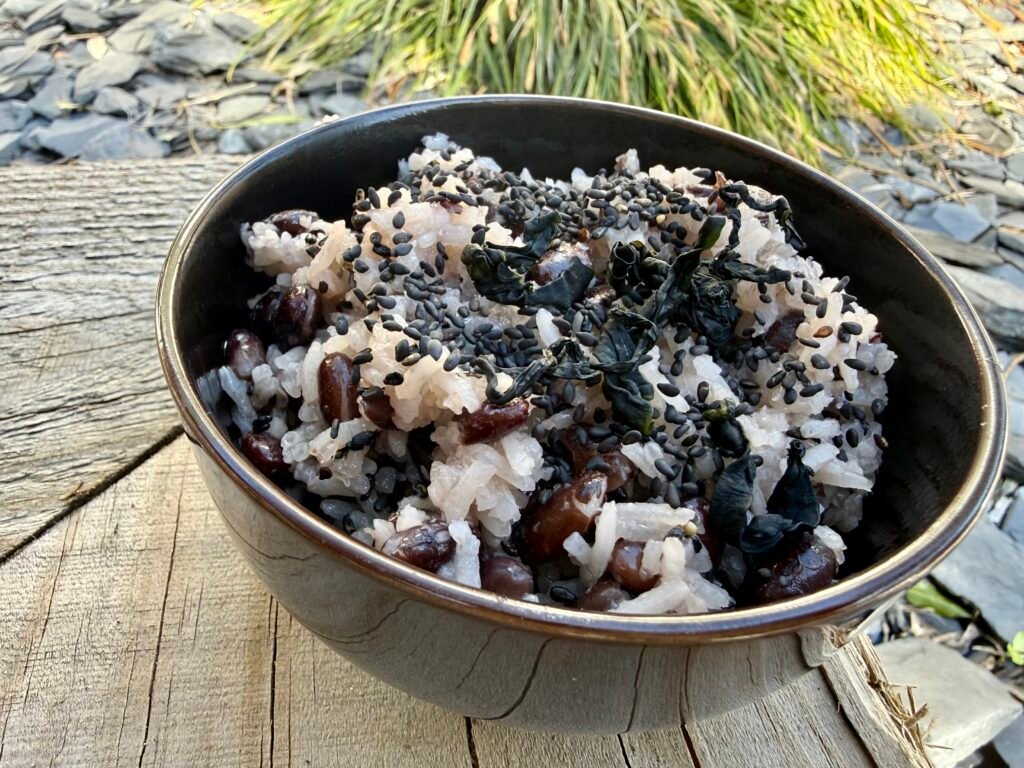
Sekihan: Japanese women's little secret
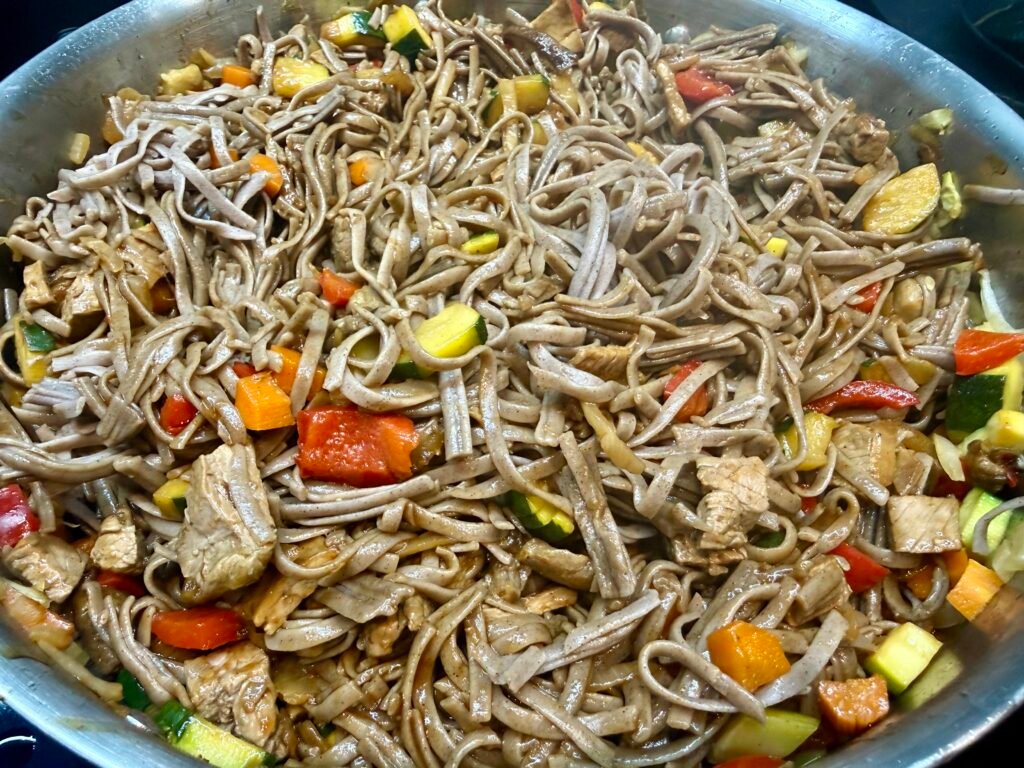
Yakisoba with buckwheat noodles
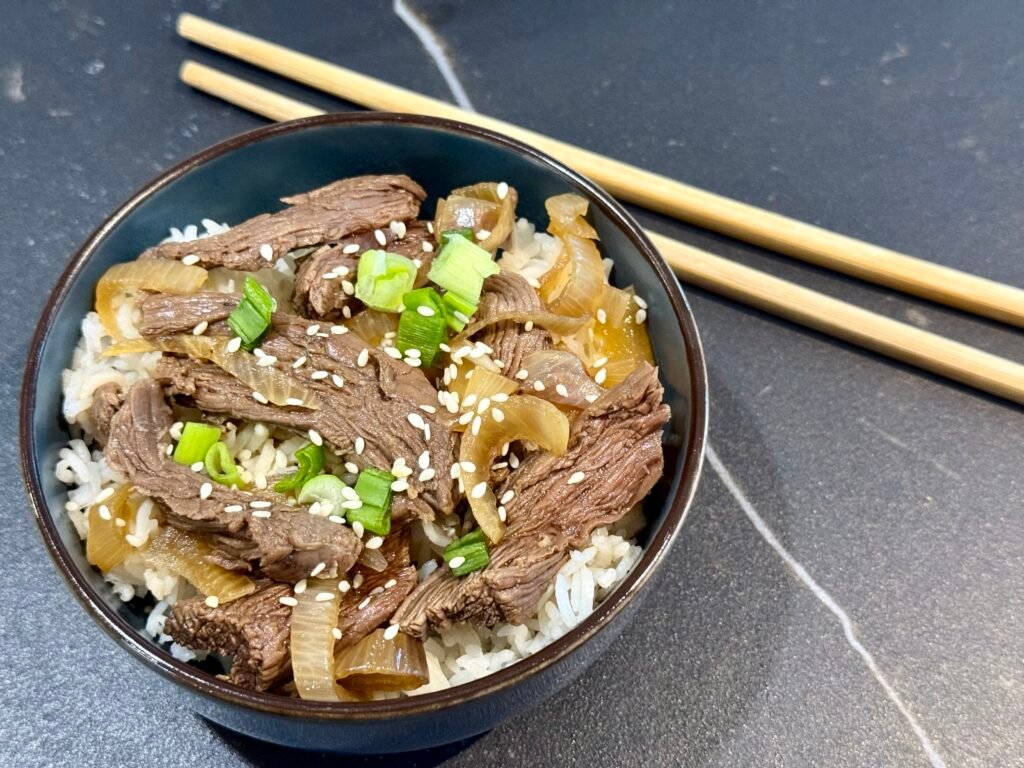
Gyudon, a Japanese beef rice bowl
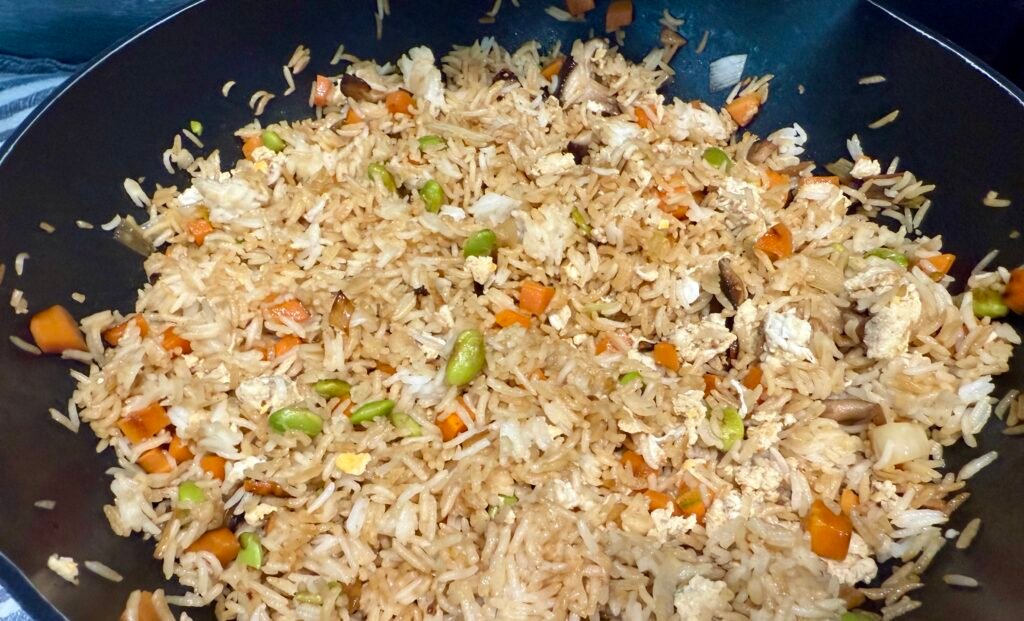
Yakimeshi, a delicious Japanese fried rice that is gluten-free, easy and quick.
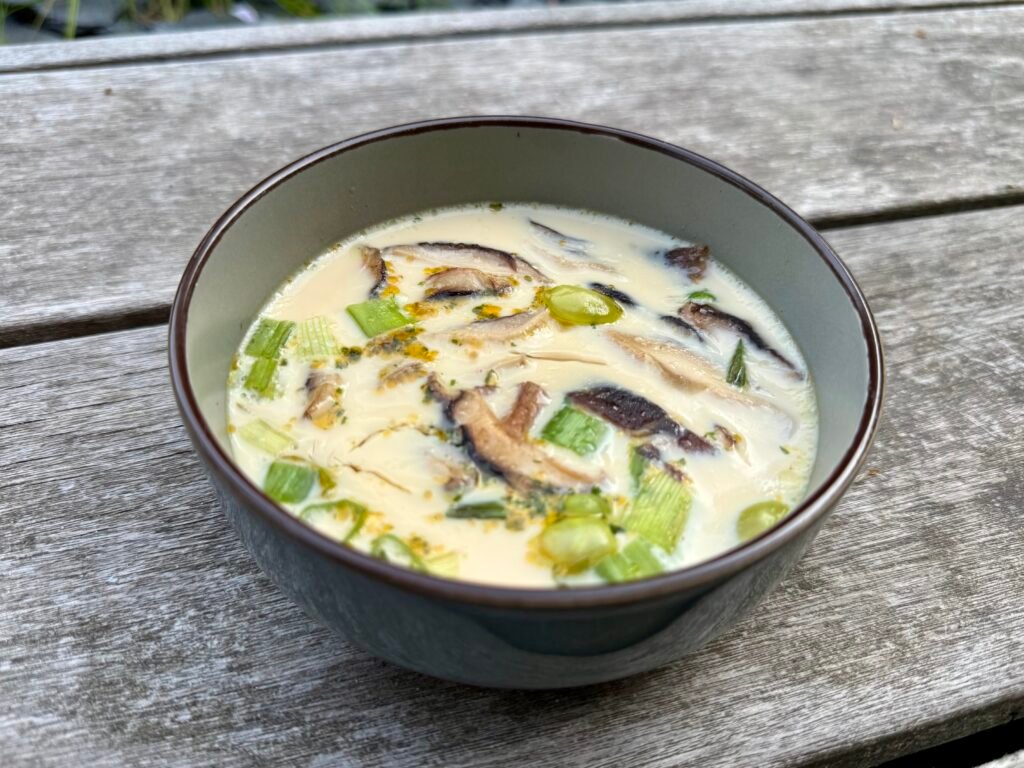
Chawanmushi, the gluten-free Japanese savory steamed flan
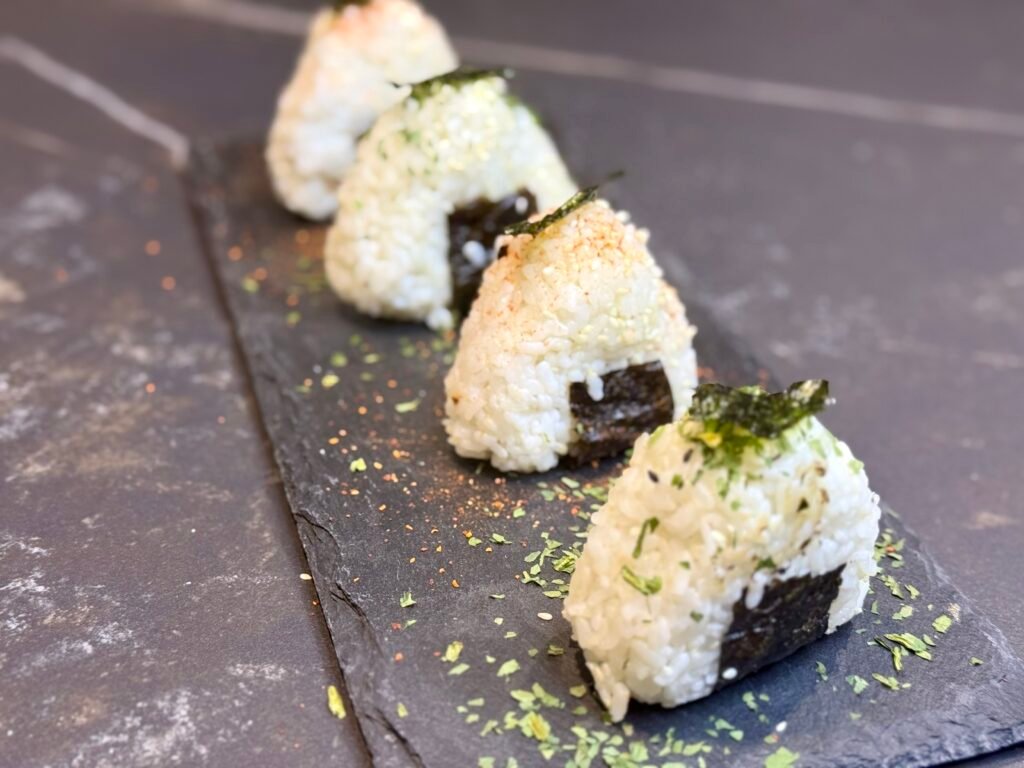
Japanese Onigiri Recipe: Stuffed Rice Balls, Gluten Free.
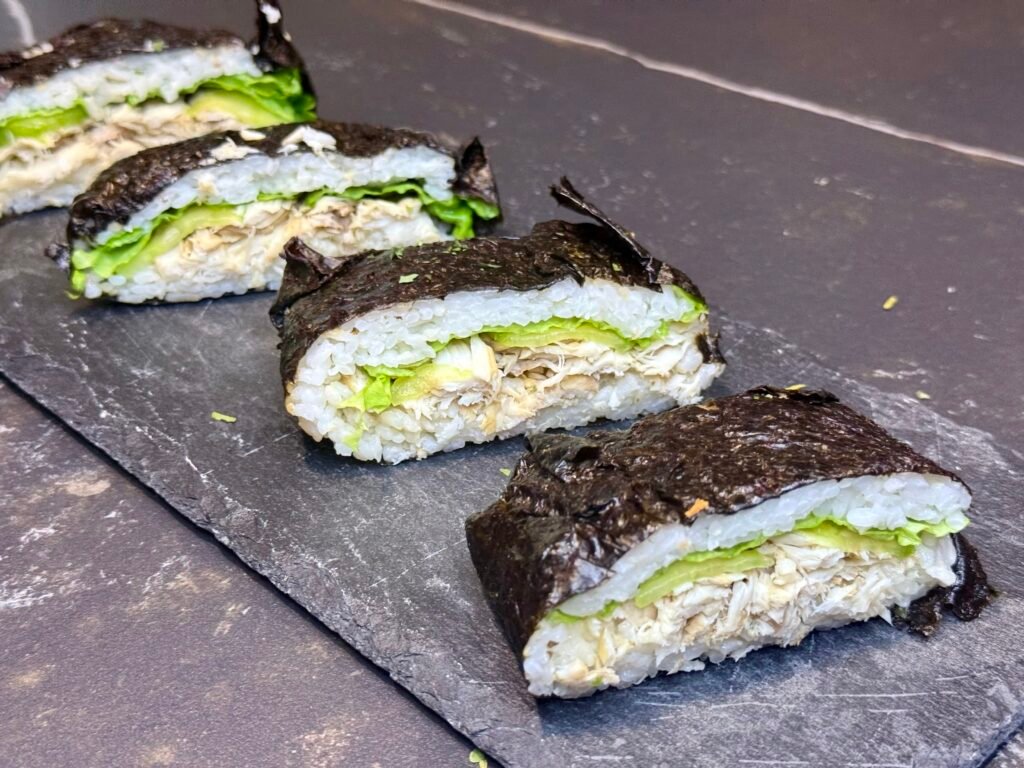
Onigirazu, or Japanese Sandwich, with Sea Bass marinated in Yuzu.

Sweet gluten-free cake with yuzu jam
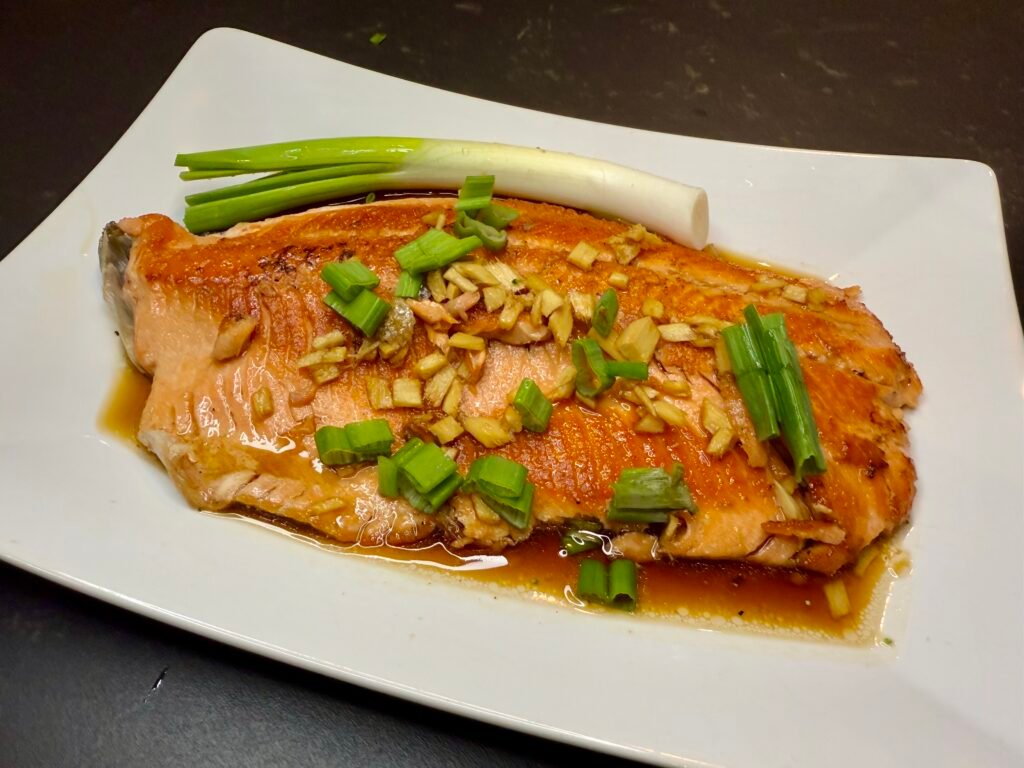
Yakizuke Salmon: Japanese-style marinated salmon
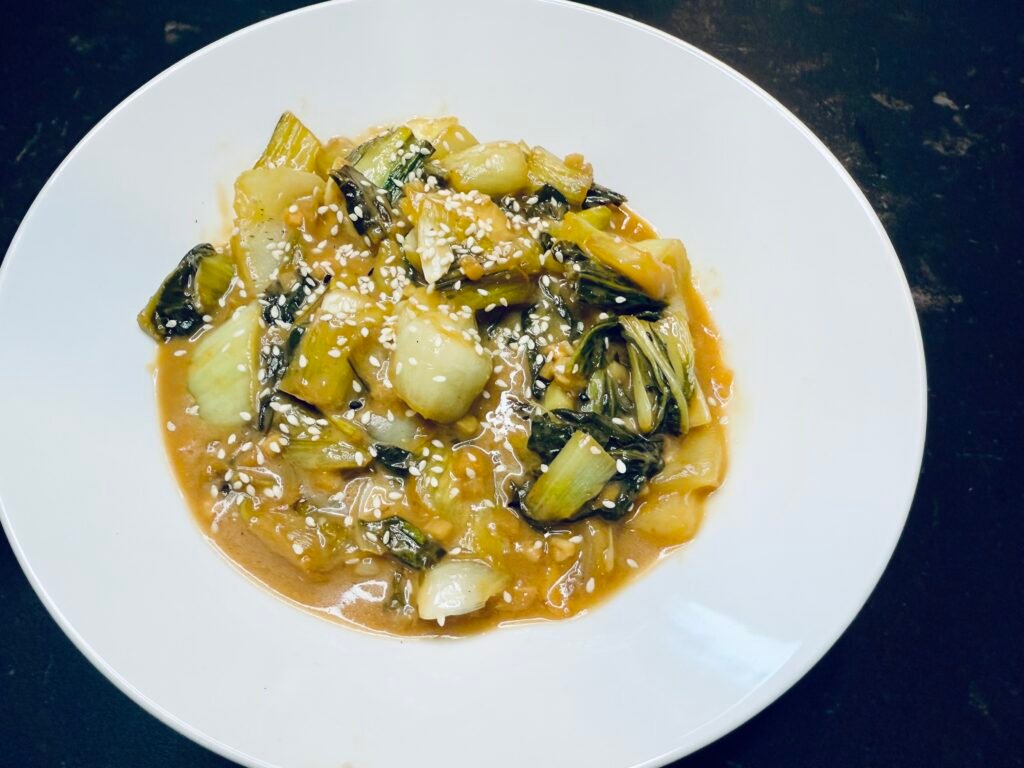
Flavors of Japan: Stir-fried Pak Choi with Miso and Sesame.
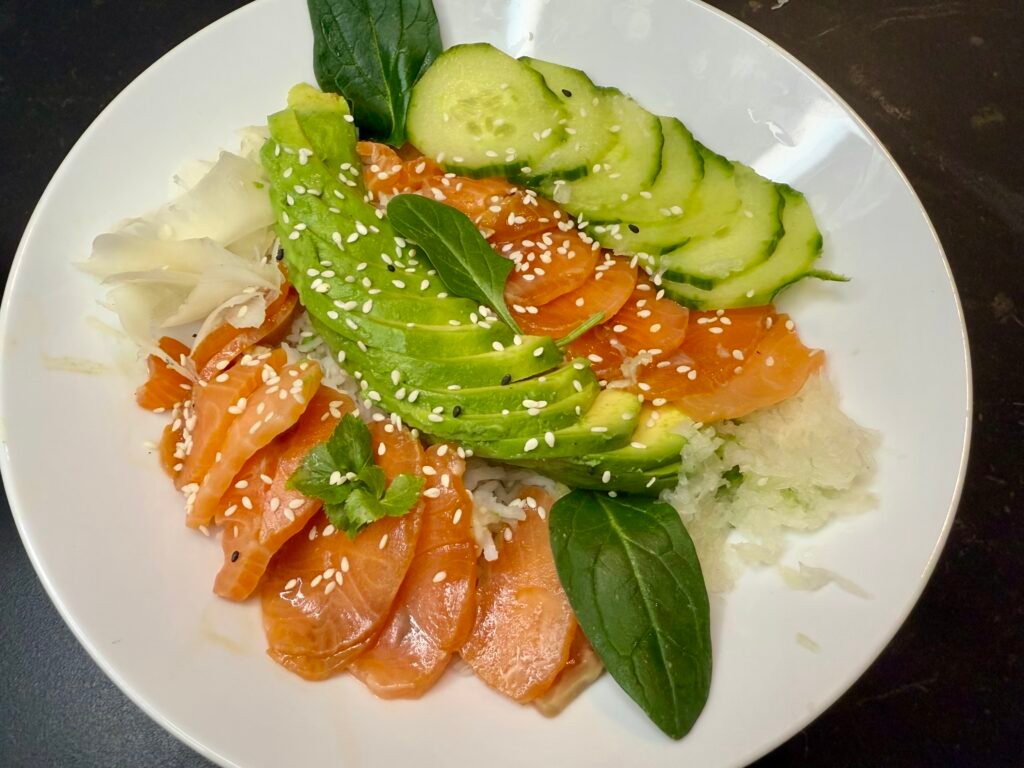
Salmon Chirashi: A Refined and Gluten-Free Japanese Bowl 🇯🇵🍣