Histoire et Culture du Cambodge
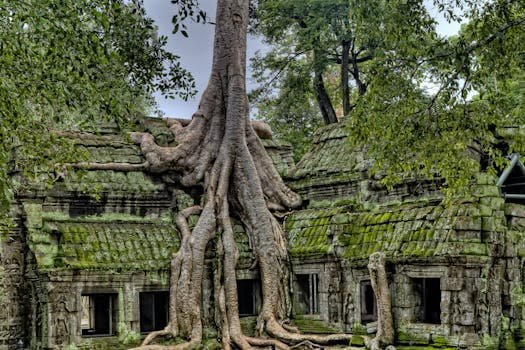
Le Cambodge, pays situé au cœur de l’Asie du Sud-Est, est riche en histoire et en culture. Connu pour l’Empire khmer qui a régné sur une grande partie de la région du IXe au XVe siècle, le Cambodge est surtout célèbre pour son site emblématique, Angkor Wat, le plus grand monument religieux du monde. La culture cambodgienne est profondément influencée par le bouddhisme, qui imprègne la vie quotidienne des Cambodgiens, de leurs cérémonies religieuses à leurs coutumes sociales. Malgré un passé récent marqué par les horreurs du régime des Khmers rouges, le Cambodge est aujourd’hui un pays résilient et dynamique, tourné vers l’avenir tout en restant attaché à ses traditions.
Gastronomie Cambodgienne et Options Sans Gluten
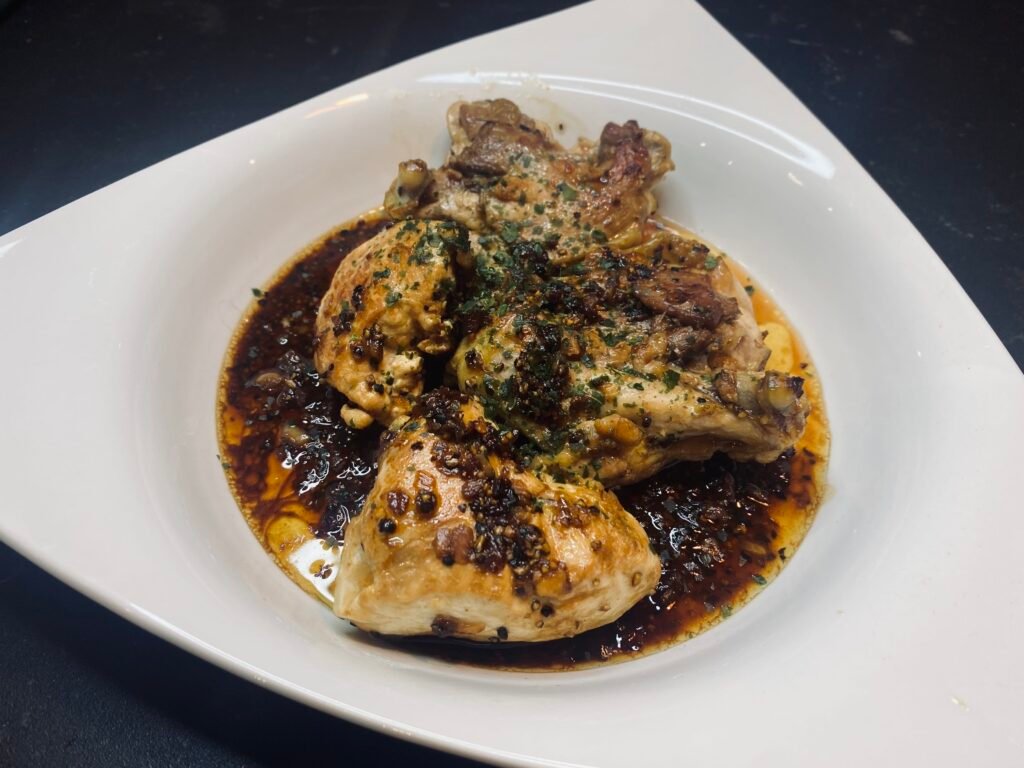
La cuisine cambodgienne, souvent méconnue, est un mélange harmonieux de saveurs, influencée par les cuisines thaïlandaise, vietnamienne et chinoise. Parmi les plats les plus emblématiques, on trouve l‘amok, un curry de poisson cuit à la vapeur dans des feuilles de bananier, et le lok lak, un bœuf mariné sauté. Pour les voyageurs suivant un régime sans gluten, le Cambodge offre de nombreuses options. Les soupes à base de bouillon comme le “samlor kako” et les plats de riz sont naturellement sans gluten. Les marchés locaux regorgent de produits frais comme les fruits de mer, le riz gluant et les légumes, garantissant un large choix d’aliments sûrs à consommer pour les intolérants au gluten.
Les Incontournables à Visiter
Le Cambodge offre une multitude de sites à découvrir. Outre le majestueux complexe d’Angkor, inscrit au patrimoine mondial de l’UNESCO, les visiteurs ne devraient pas manquer Phnom Penh, la capitale, où l’on peut explorer le Palais Royal et le Musée du génocide de Tuol Sleng. Les plages de Sihanoukville et les îles voisines, telles que Koh Rong, sont parfaites pour ceux qui recherchent la détente. Enfin, Battambang et ses temples moins fréquentés offrent une expérience plus authentique et intime, loin des foules touristiques.