Brazil, the largest country in South America, has a rich and complex history. Before the arrival of Portuguese colonists in 1500, it was inhabited by indigenous peoples who left a cultural legacy still present in some regions. After colonization, Brazil became a melting pot of cultures, integrating European, African, and indigenous influences. Today, it is a dynamic nation, known for its iconic festivals like the Rio Carnival, its infectious music, and its exceptional natural heritage.
Brazil is a vibrant mix of cultures and traditions, where diversity and joie de vivre reign.
Traditional Gastronomy and Gluten-Free Options
Brazilian cuisine reflects the country's cultural diversity, with rich and varied regional dishes. It showcases local ingredients such as cassava, black beans, and tropical fruits. Many Brazilian dishes are naturally gluten-free, making them accessible to everyone.
Here are some Brazilian dishes that are naturally gluten-free:
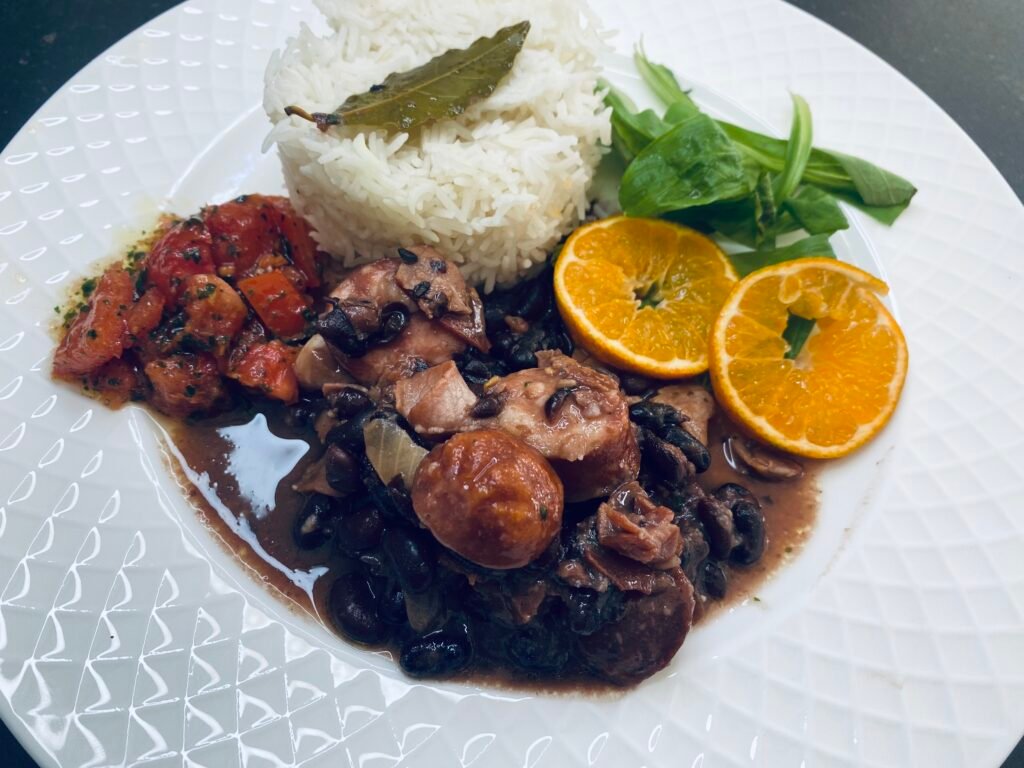
- Feijoada : A black bean stew with pork, served with rice and roasted cassava flour (farofa).
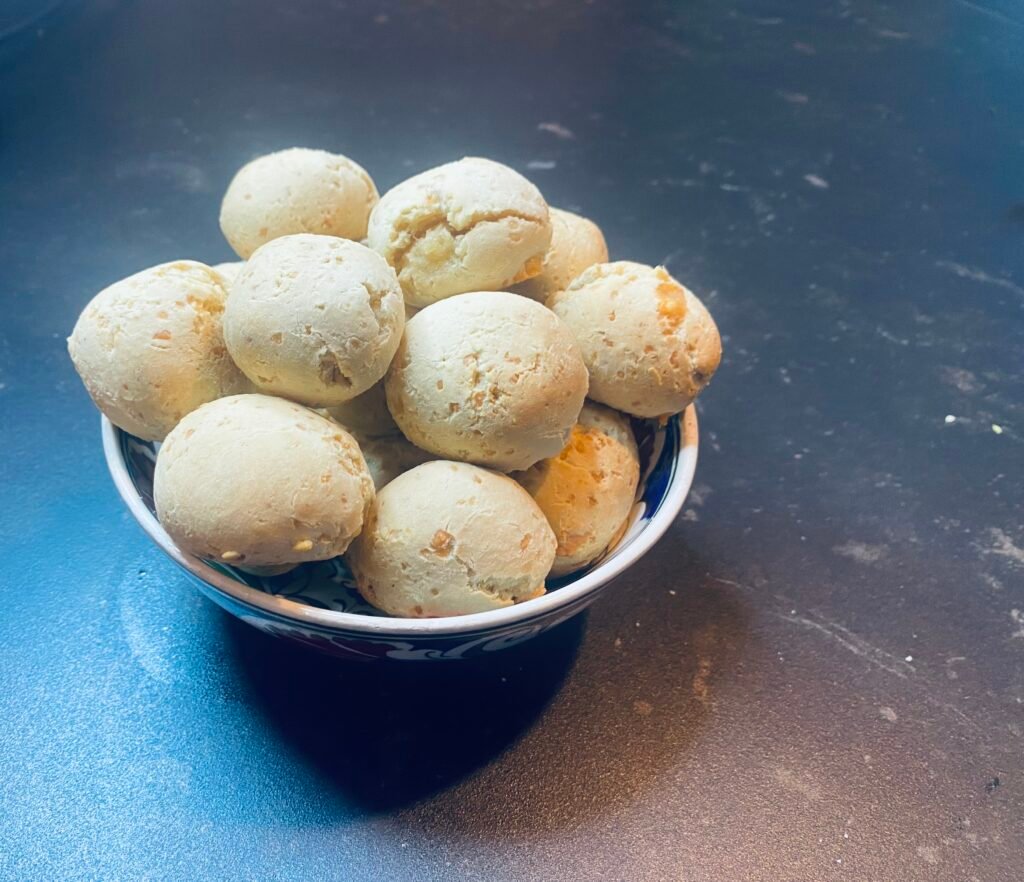
- Pão de Queijo : Delicious cheese rolls made from cassava flour, completely gluten-free.
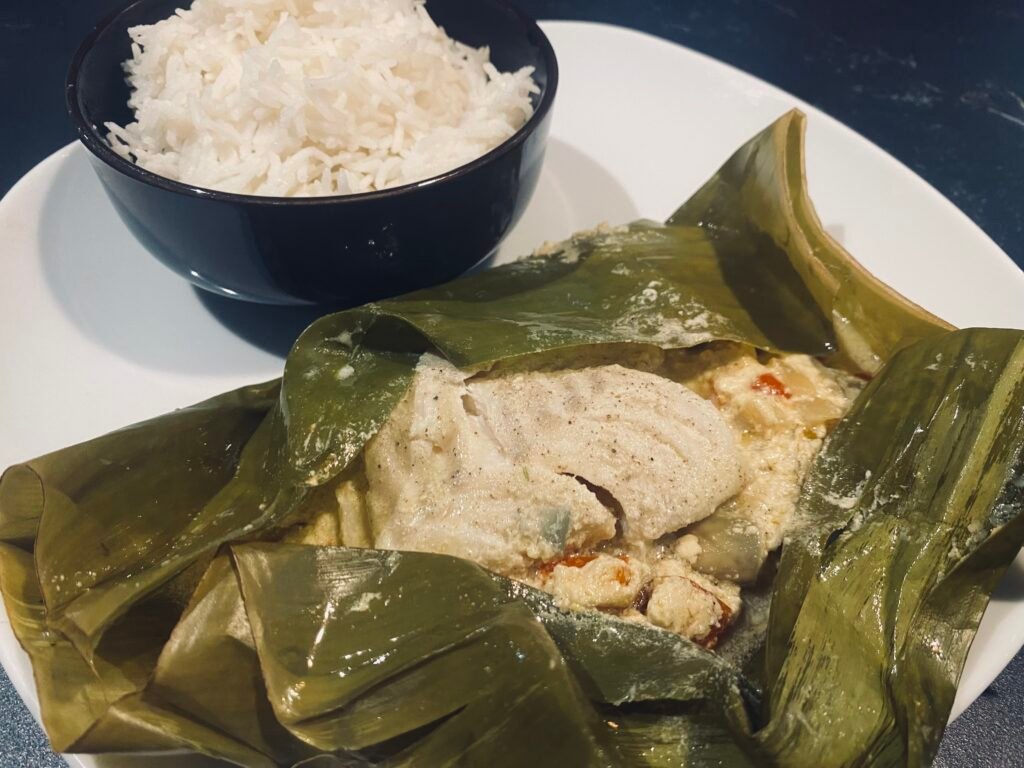
- Moqueca : A fish or seafood stew simmered with coconut milk, tomatoes and peppers.
- Tapioca : Pancakes made from cassava flour, filled with cheese, meat or fruit.
These dishes demonstrate how Brazilian cuisine is both tasty and suitable for gluten-free diets.
Must-See Places to Visit in Brazil
Brazil is full of natural and cultural wonders that attract visitors from all over the world. Here are a few must-see destinations:
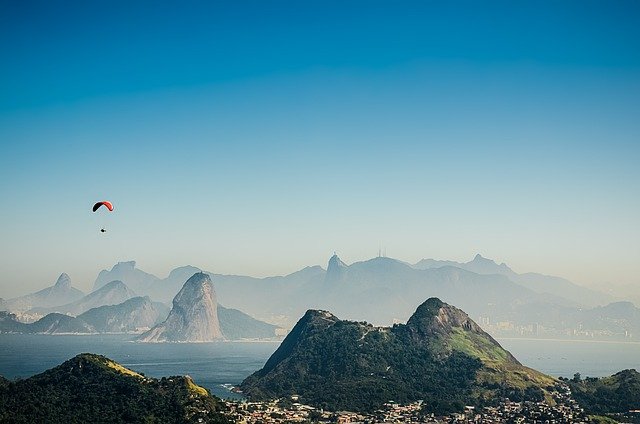
- Rio de Janeiro : Known for its beaches like Copacabana, Christ the Redeemer and Sugarloaf Mountain, Rio is a vibrant and iconic city.
- Amazon : The world's largest rainforest, ideal for immersion in the wilderness and boat excursions.
- Iguazu : The famous waterfalls located on the border with Argentina, an impressive spectacle of the power of nature.
- Salvador : The capital of the state of Bahia, famous for its historic center, Afro-Brazilian culture and catchy music.
These places reflect the diversity and cultural and natural richness of Brazil.