Located in the far northwest of Africa, Morocco is a crossroads of ancient traditions and modern influences. With its diverse landscapes ranging from the Sahara dunes to the Atlas Mountains and the Atlantic coast, this country is stunning. My grandfather worked there when it was still a French colony, and my father lived there until he was 18; every Sunday, my grandmother would prepare delicious Moroccan dishes for us.
Culture and History
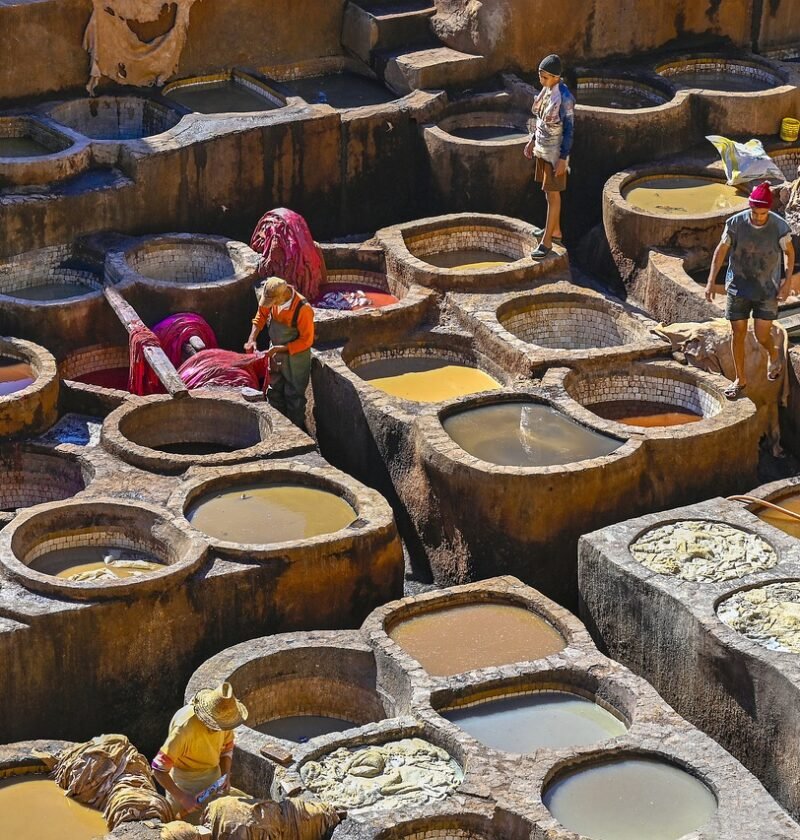
Morocco is a fascinating blend of Berber, Arab, and European cultures. Fez, Marrakech, and Rabat tell the story of a kingdom rich in dynasties and Islamic heritage. From colorful souks to labyrinthine medinas, each Moroccan city offers an immersion into a world where past and present intertwine harmoniously. Mint tea, a symbol of hospitality, is a drink you'll find everywhere, served with theatrical flair and genuine warmth.
Traditional Cuisine and Gluten-Free Options
Moroccan cuisine is known for its generous portions, fragrant spices, and iconic dishes like couscous, tagine, and pastilla. For gluten-free options, several alternatives exist to enjoy the authentic flavors of Morocco.
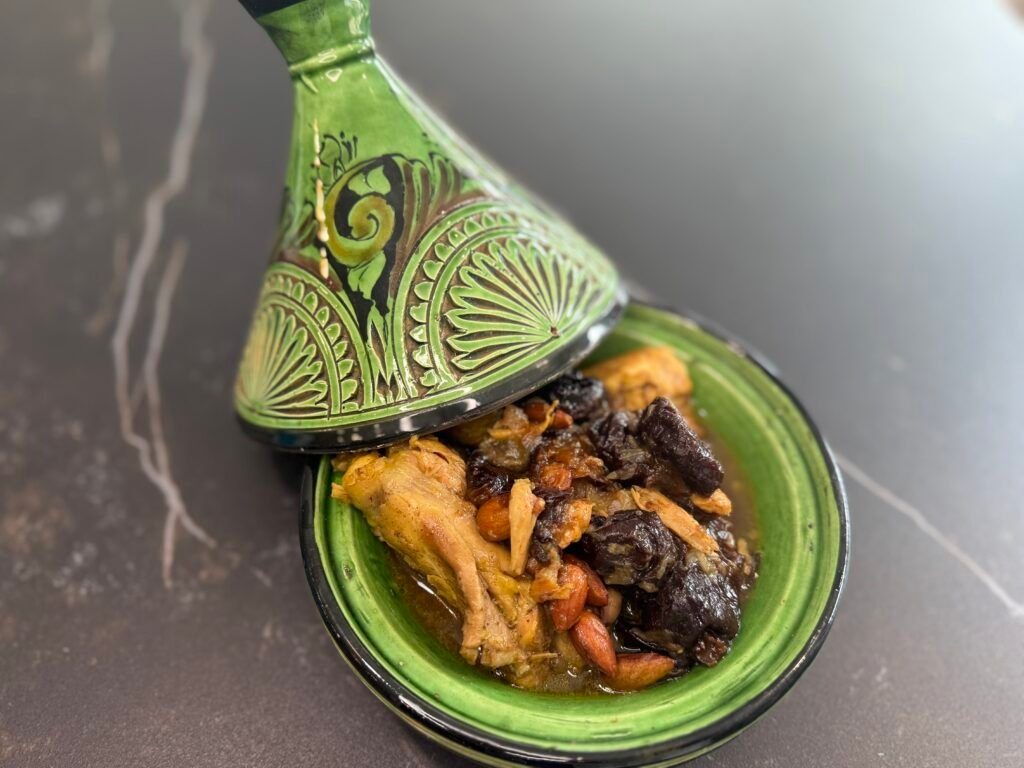
- Tagines : Made with vegetables, meats and spices (such as saffron and cumin), they are naturally gluten-free if you avoid adding semolina or bread alongside them.
- Moroccan salads : Salads such as zaalouk (eggplant puree) and taktouka (pepper and tomato salad) are not only delicious but also gluten-free.
- Harira : This traditional soup can be adapted by thickening it with cornflour.
- Cakes and pastries : Although many Moroccan pastries contain gluten, there are almond-based recipes such as ghribas or stuffed dates that are naturally gluten-free.
Travel to Morocco
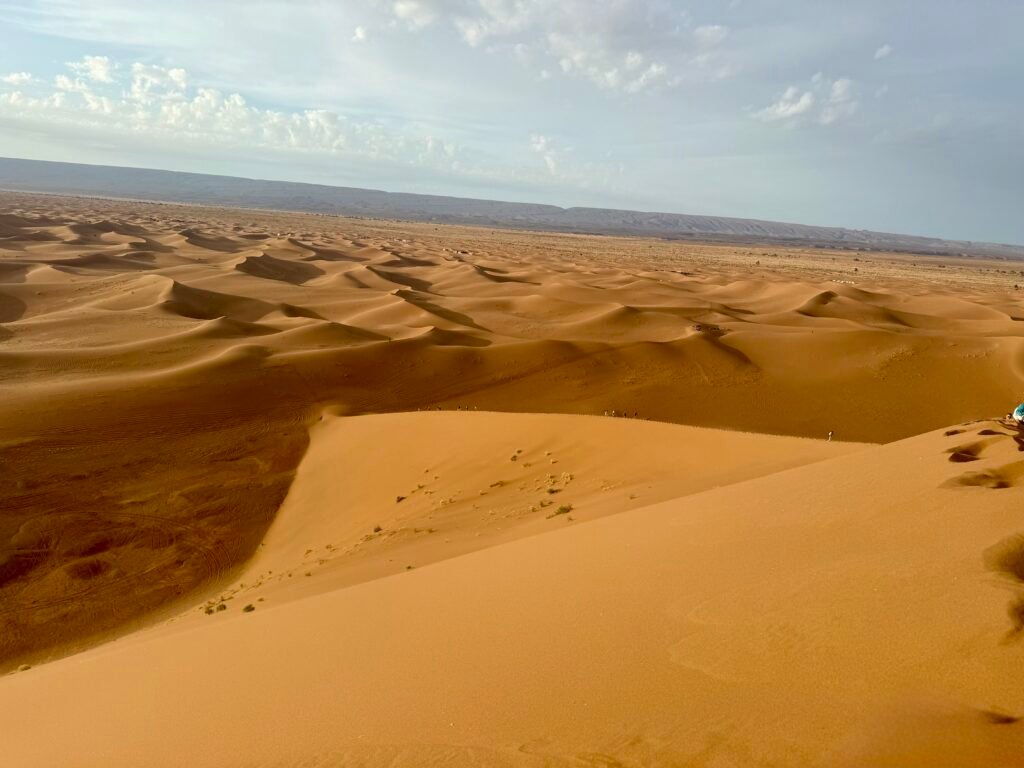
Family road trip in southern Morocco
Road trip in southern Morocco, part 2
Road Trip in Southern Morocco, Part 3
Road trip in southern Morocco: Part 2 and the end!
Recipes
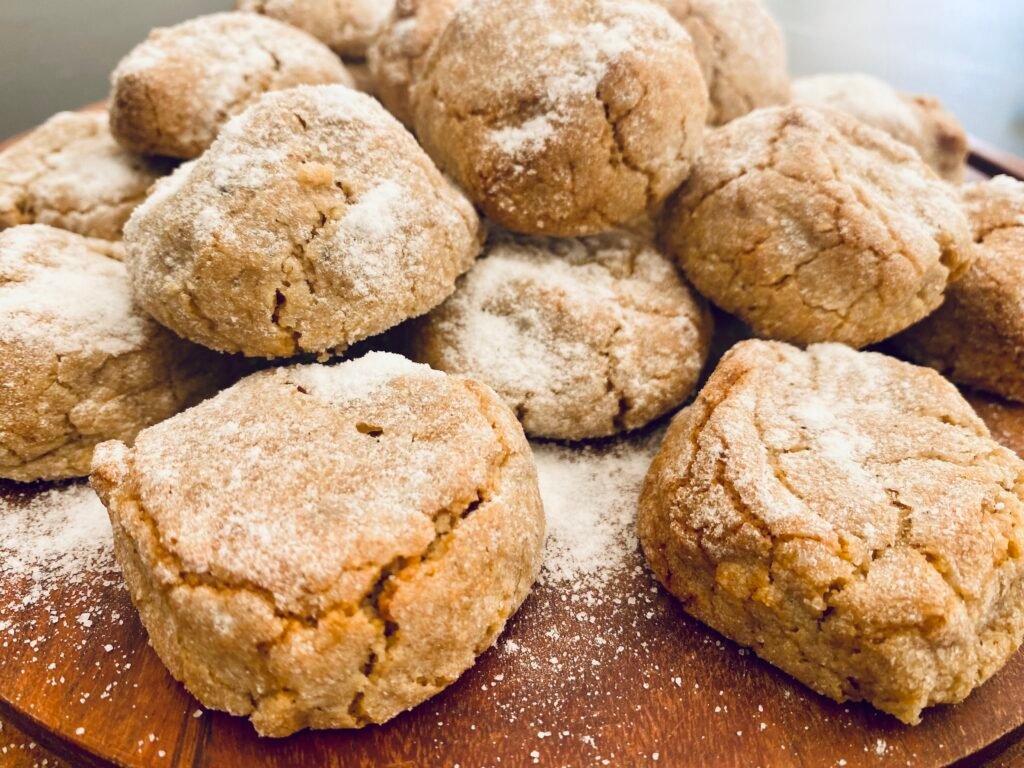
Almond and walnut ghoribas
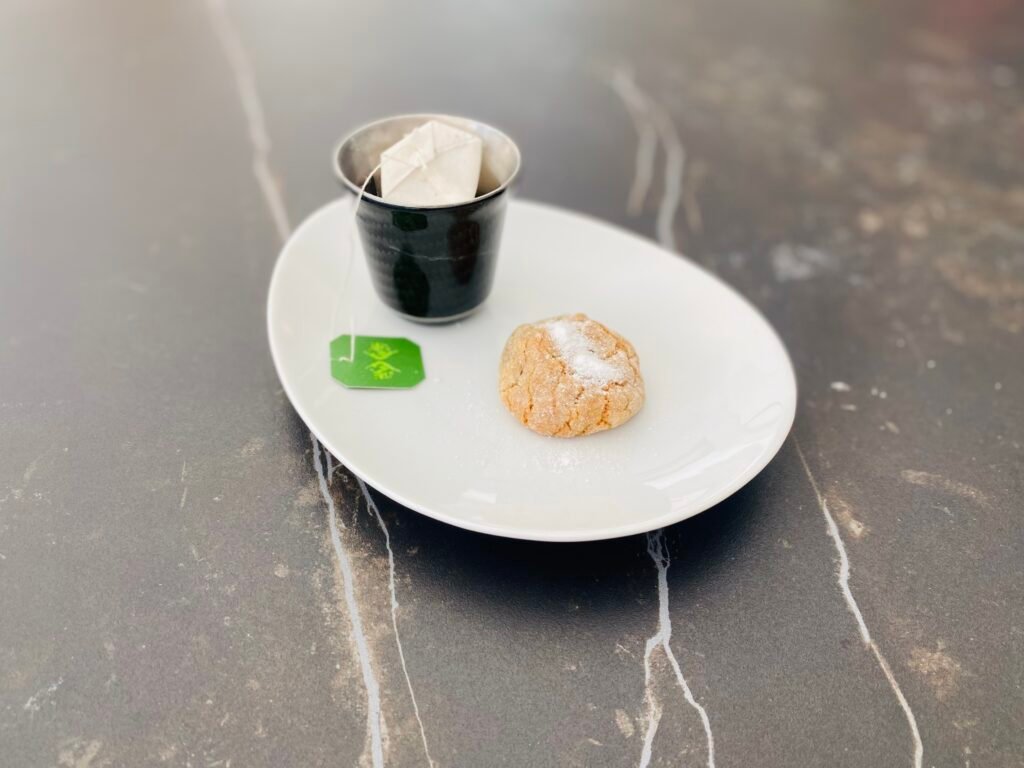
Almond Ghribas or Ghoribas (Morocco)
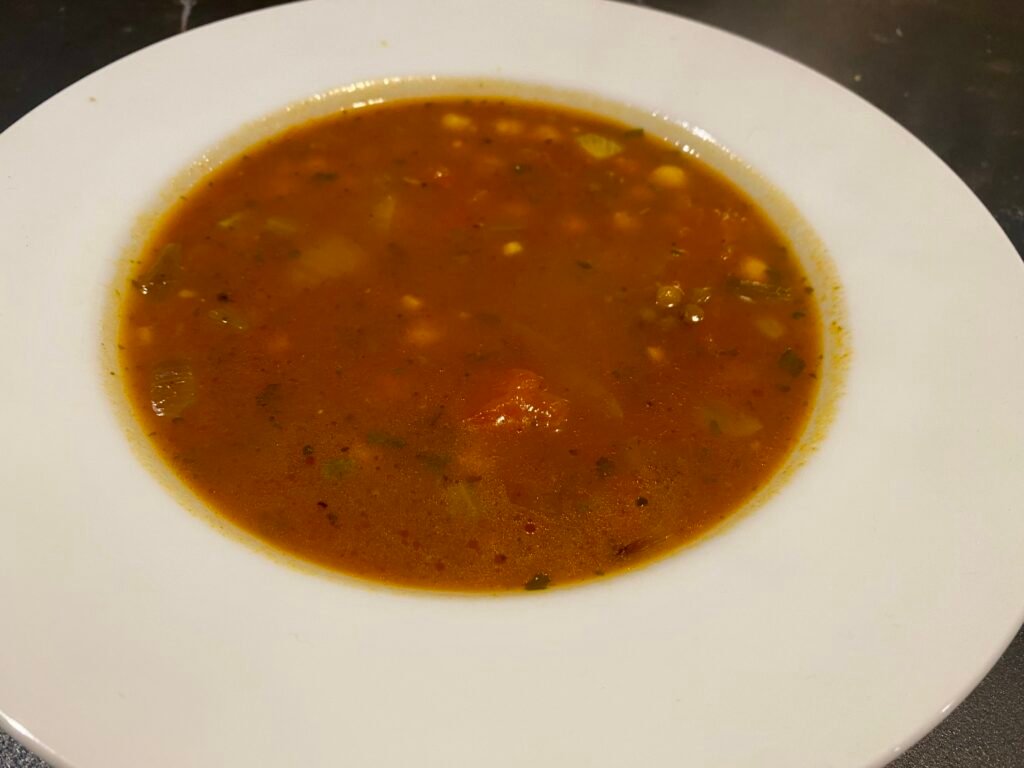
Harira (Moroccan soup)
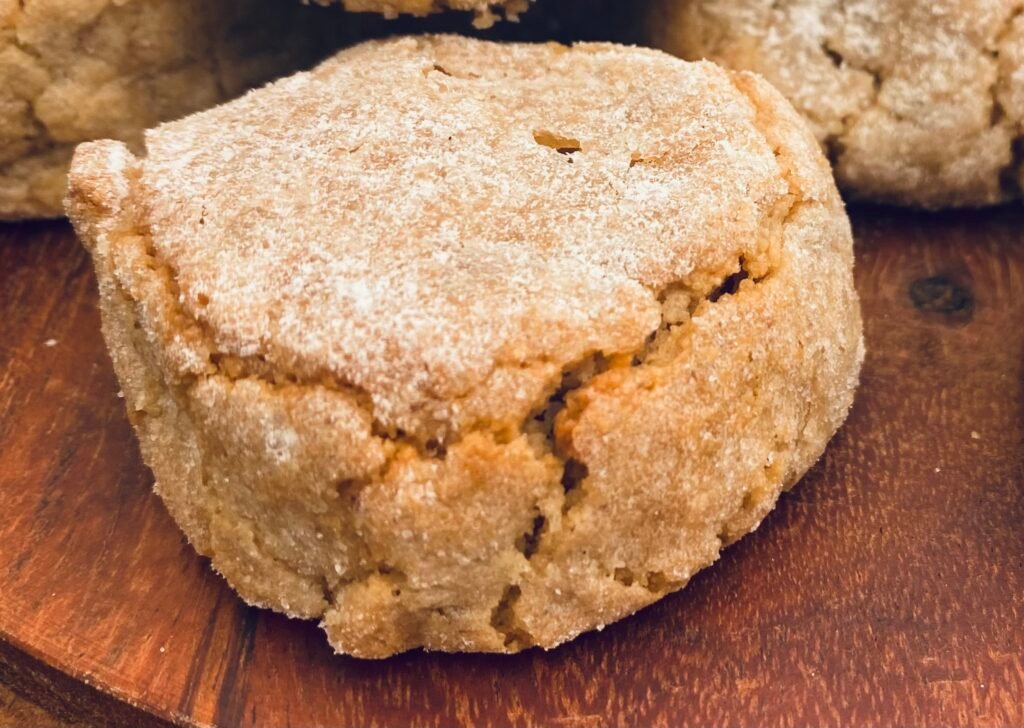
Mlowza (Moroccan almond cake)
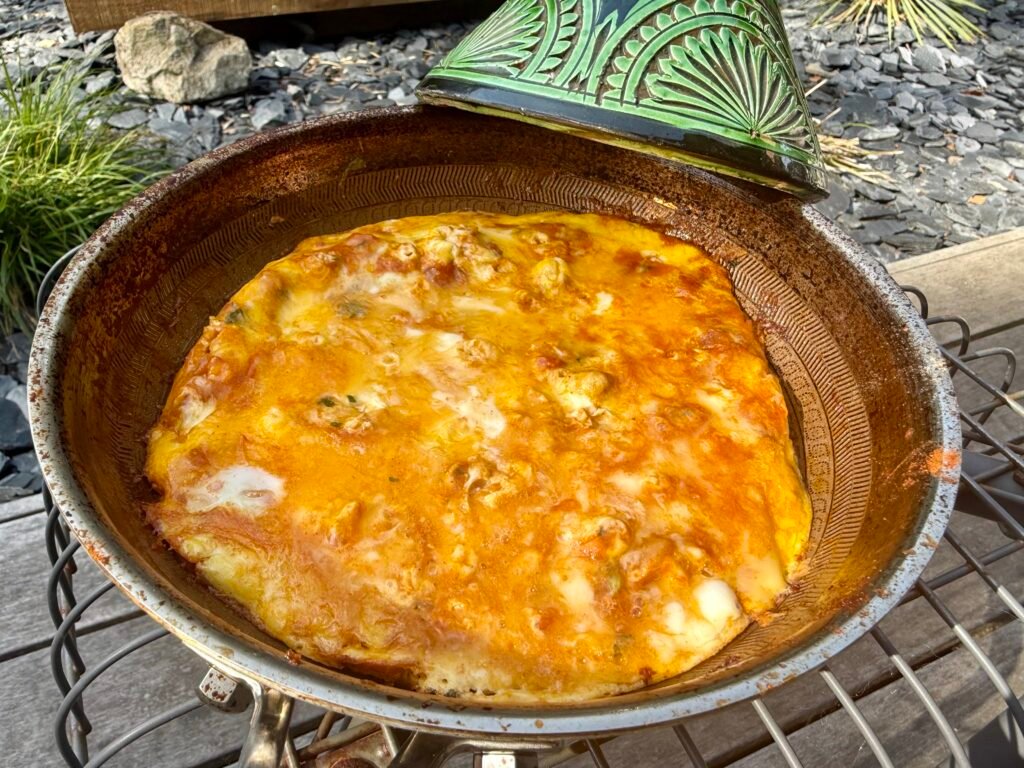
Berber omelet
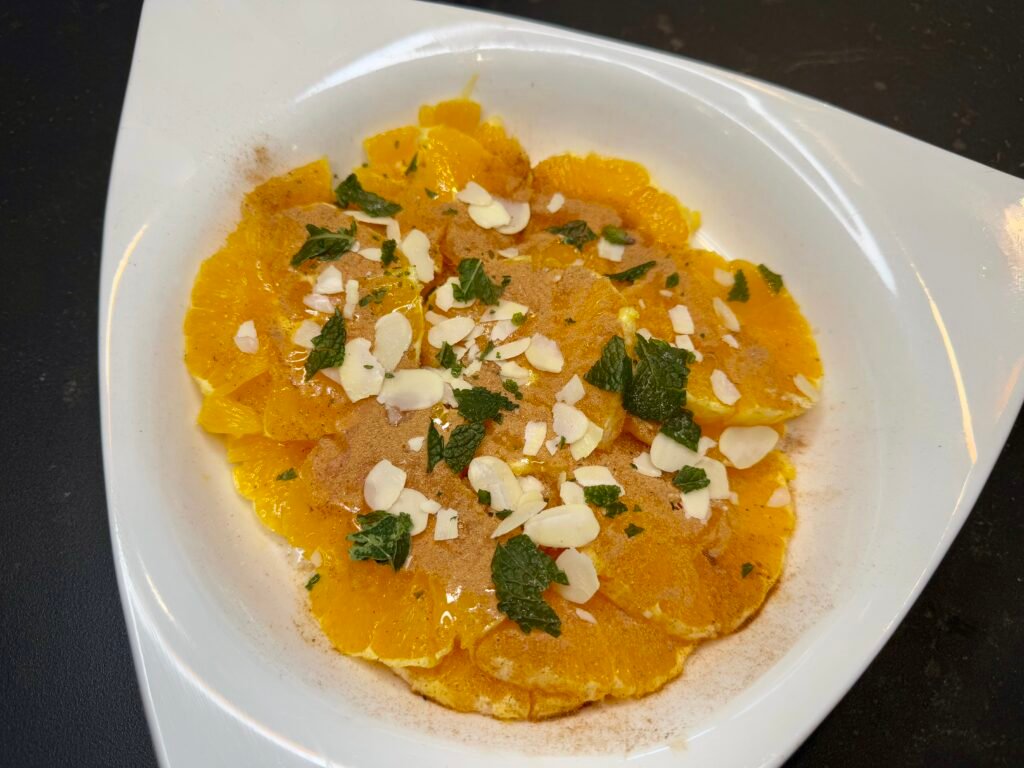
Orange Salad with Orange Blossom: The Sweet Freshness of Morocco 🇲🇦🍊
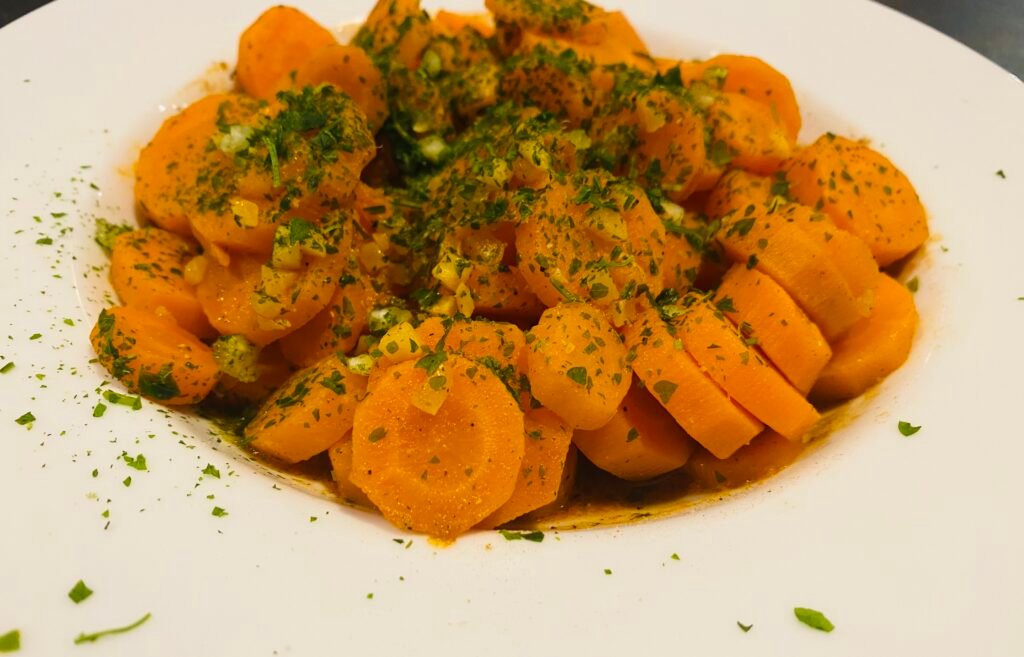
Moroccan carrot salad
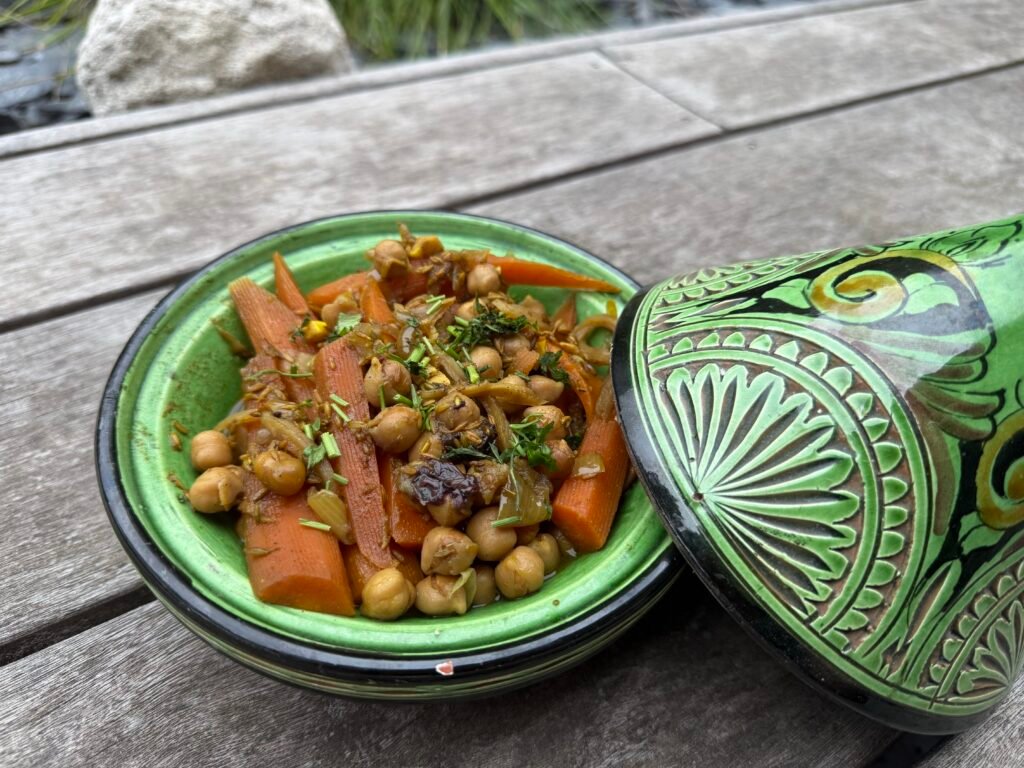
Moroccan carrot and chickpea tagine (gluten-free)
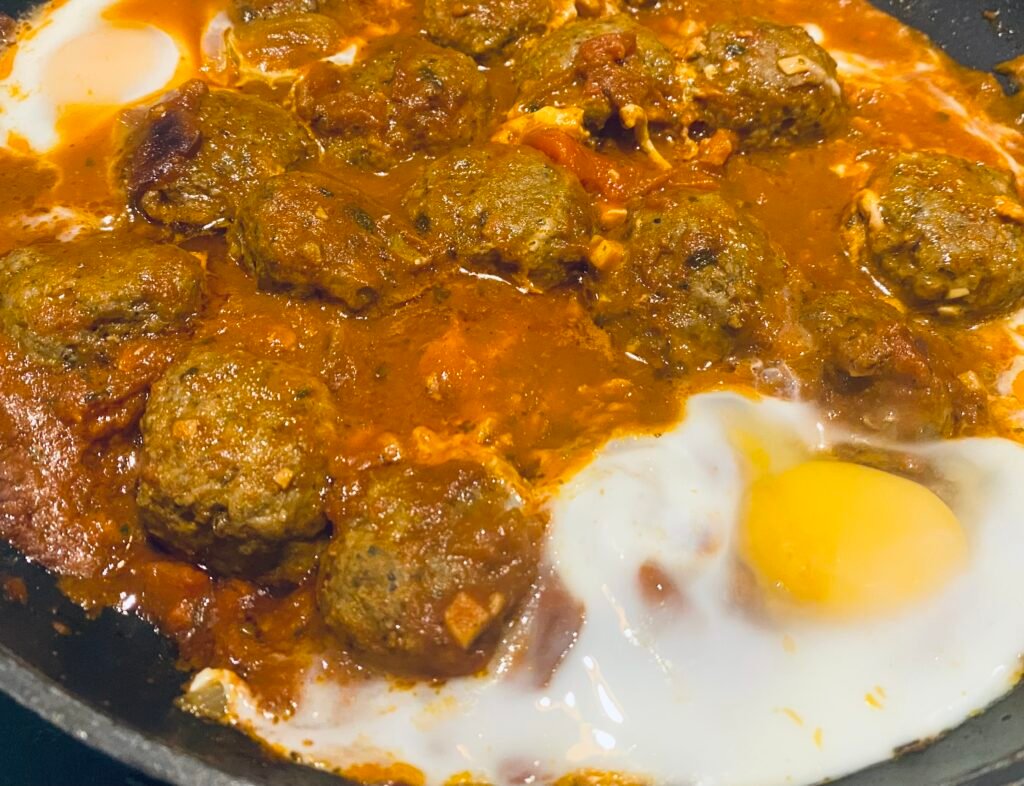
Kefta tagine with eggs (Morocco)
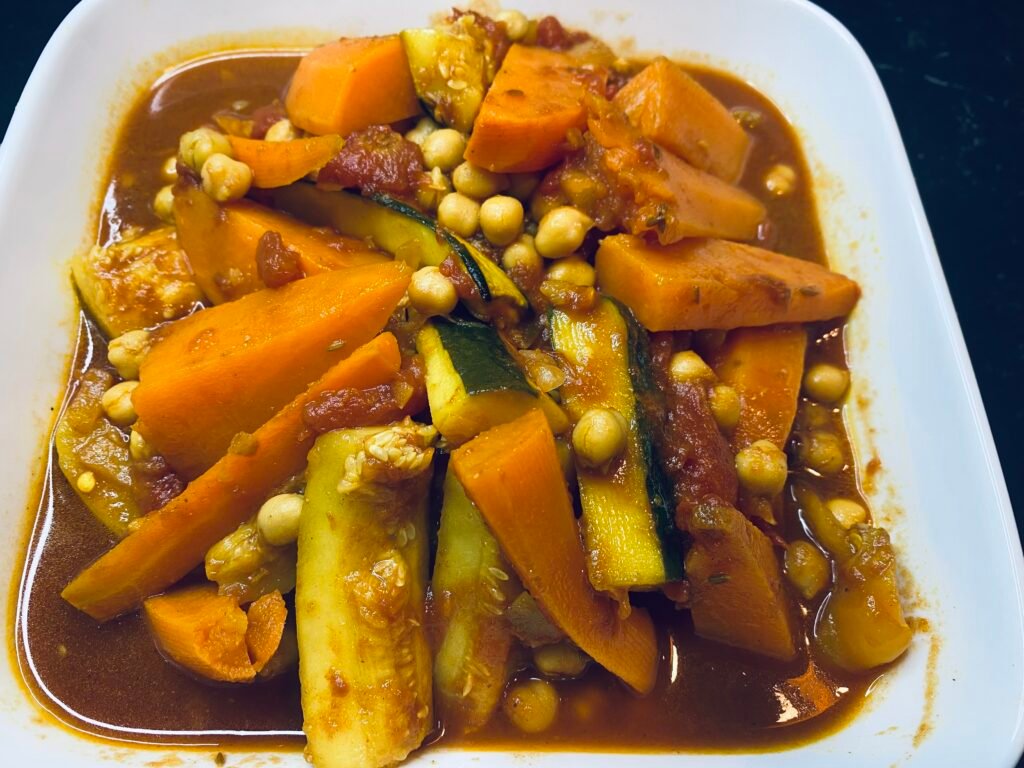
Vegetable and Sweet Potato Tajine (Morocco)
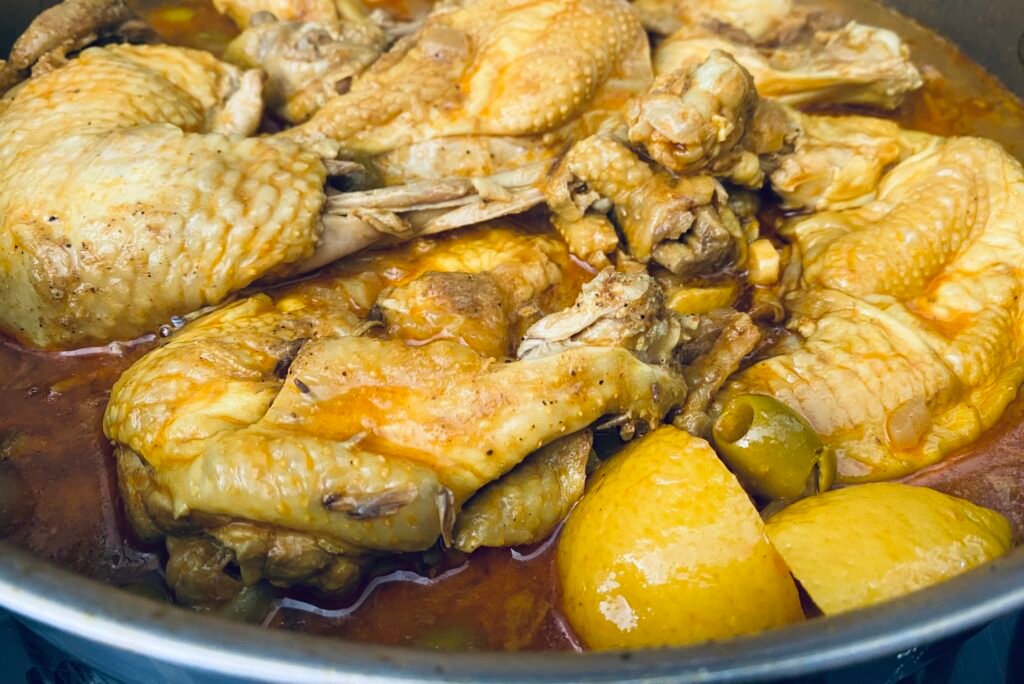
Chicken tagine with preserved lemon and olives