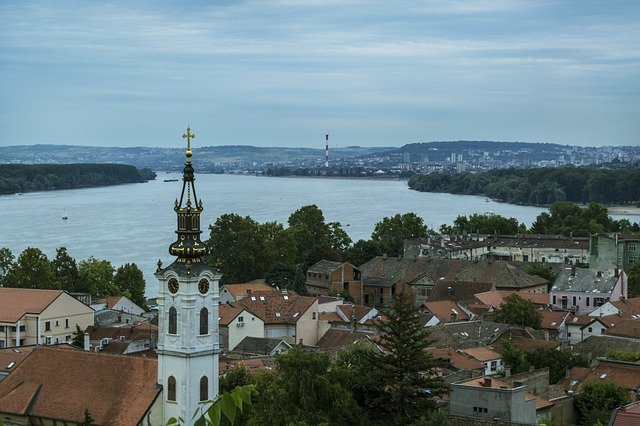
Serbia, located in the heart of the Balkans, has a complex and fascinating history. Once a powerful medieval kingdom, Serbia has suffered numerous invasions, including those of the Ottoman and Austro-Hungarian Empires. It was also a pillar of the former Yugoslavia. After turbulent times in the 20th century, modern Serbia is a thriving country, rich in heritage and traditions. Serbian culture is strongly influenced by its Slavic and Orthodox roots, evident in its architecture, monasteries, and religious festivals. Traditional dances, such as the kolo , and folk music play a central role in celebrations.
Serbia offers a unique cultural experience, between historical heritage and modernity, where traditions and hospitality are at the heart of daily life.
Traditional Gastronomy and Gluten-Free Options
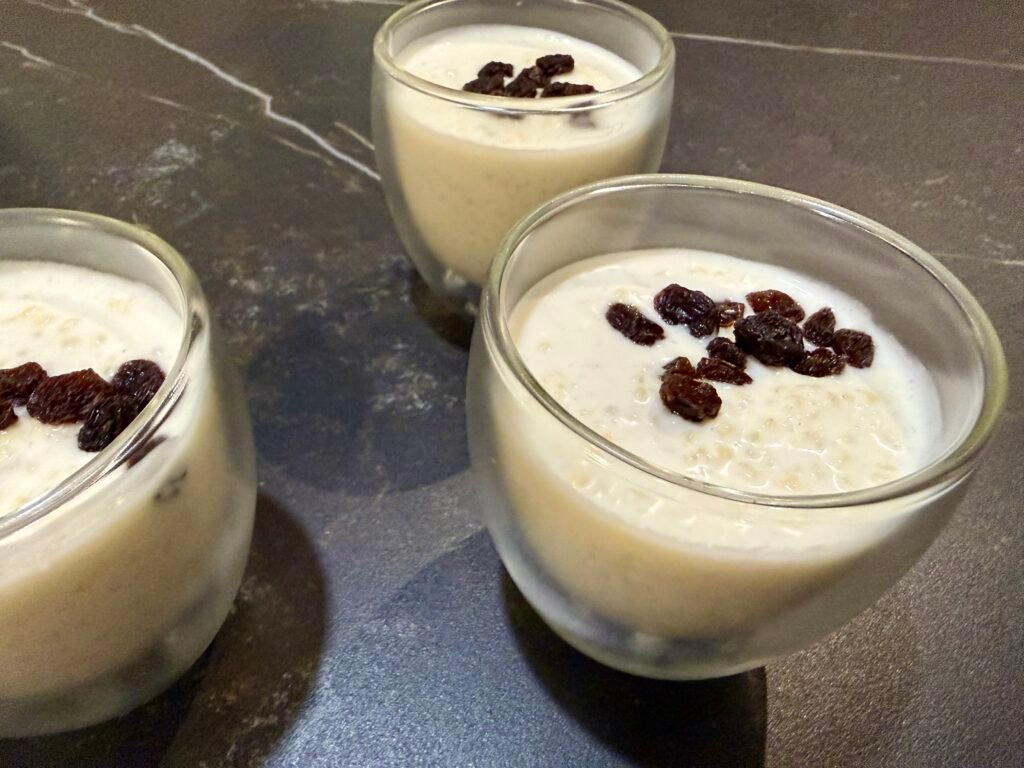
Serbian cuisine is rooted in Balkan tradition, with strong Ottoman, Hungarian, and Austrian influences. Dishes are hearty, often featuring grilled meat, vegetables, and dairy products. While some Serbian dishes include wheat, there are many naturally gluten-free options.
Here are some traditional Serbian dishes that are gluten-free:
- Ćevapi : Small sausages made from grilled minced meat (usually beef or pork), served with onions and peppers. This dish is naturally gluten-free when eaten without bread.
- Sarma : Cabbage leaves stuffed with rice and meat, simmered in a tomato sauce, a naturally gluten-free dish.
- Pečenje : Roasted meat, often pork or lamb, prepared simply with herbs and garlic. This dish is naturally gluten-free.
- Ajvar : A paste of roasted peppers and eggplant, often served as an accompaniment to meats. Naturally gluten-free.
These dishes showcase the richness of Serbian cuisine, while also offering gluten-free alternatives for dietary-conscious travelers.
Must-See Attractions in Serbia
Serbia is a fascinating destination that combines historical sites, stunning natural landscapes, and a vibrant cultural life. Here are some must-see places:
- Belgrade Kalemegdan fortress , its lively streets like Skadarlija and its many museums, is a dynamic city that never sleeps.
- Novi Sad : Known for its EXIT Festival , this city on the banks of the Danube is a cultural center, with the Petrovaradin fortress and art galleries.
- Tara National Park : A natural gem with dense forests, rivers and mountains, ideal for hiking and wildlife watching.
- Serbian monasteries : Serbia is dotted with magnificent Orthodox monasteries, such as those of Studenica and Sopoćani , which are UNESCO World Heritage sites.
These places will offer you a glimpse into the cultural and natural diversity of Serbia.