
Malta, an archipelago in the heart of the Mediterranean Sea, is a historical crossroads of civilizations. Its strategic location attracted Phoenicians, Romans, Arabs, Normans, and, of course, the Knights of the Order of Malta. In 1964, Malta gained its independence after centuries of colonial rule, particularly British. Today, the country is a member of the European Union and captivates visitors with its rich history, medieval fortresses, and megalithic temples. Maltese culture is a unique blend of Mediterranean and European influences, and local festivals like Carnival and Festa reflect this living cultural heritage.
Malta is a destination that combines millennia-old history, Mediterranean landscapes and a vibrant culture, offering an authentic experience to its visitors.
Traditional Gastronomy and Gluten-Free Options
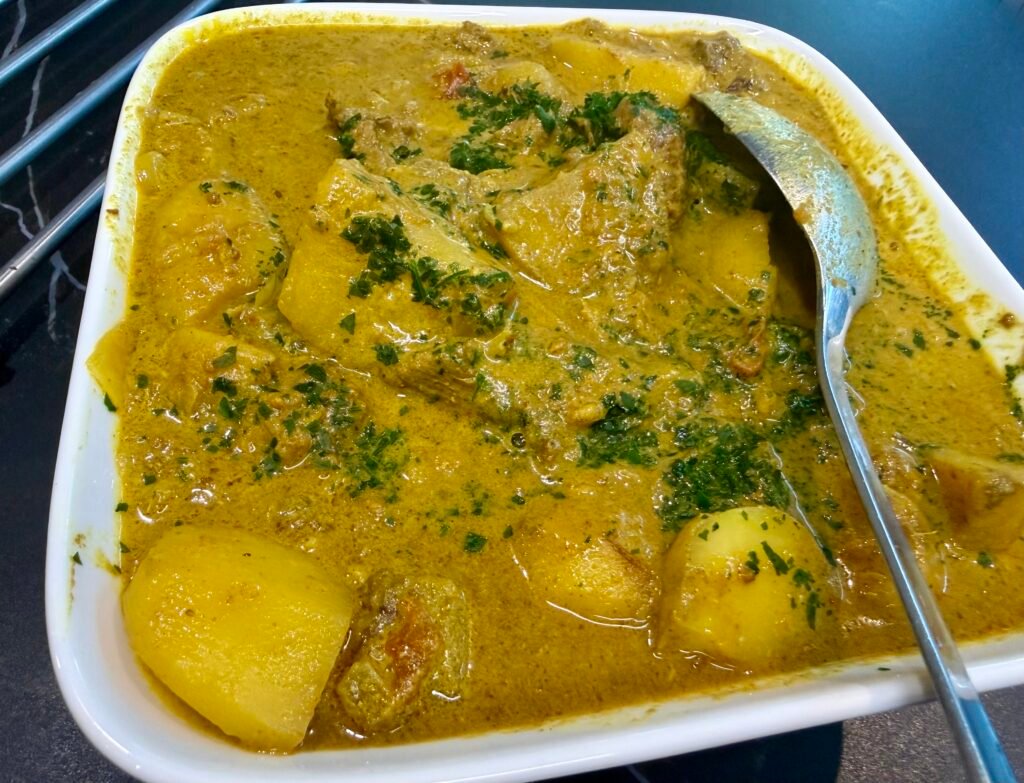
Maltese cuisine reflects its Mediterranean, Italian, Arabic, and English influences. Traditional dishes are often simple yet flavorful, showcasing local ingredients such as fish, vegetables, and herbs. Fortunately for travelers on a gluten-free diet, many Maltese dishes are naturally gluten-free or can be easily adapted.
Here are some Maltese dishes that are naturally gluten-free:
- Fenkata : A rabbit stew, the national dish of Malta, often prepared with tomatoes, onions, and herbs. It is naturally gluten-free.
- Lampuki : This Mediterranean fish, often grilled or baked, is served with fresh vegetables. A naturally gluten-free dish.
- Aljotta : A fish soup made with tomatoes, garlic and parsley, often served with rice, an excellent gluten-free option.
- Kapunata : A dish similar to ratatouille, made with eggplant, tomatoes, peppers and onions, naturally gluten-free and perfect as a side dish.
These dishes offer a glimpse into the authentic flavors of Malta while respecting gluten-free dietary needs.
Must-See Attractions in Malta
Malta is brimming with historical sites, picturesque landscapes, and charming towns. Here are a few must-see attractions during your stay:
- Valletta : The capital of Malta, a UNESCO World Heritage Site, is a fortified city with baroque palaces, historic churches and stunning views of the harbor.
- Mdina : Nicknamed “the Silent City”, Mdina is a medieval town perched on a hill, known for its cobbled streets and peaceful atmosphere.
- The temples of Ġgantija : Located on the island of Gozo, these megalithic temples are among the oldest human structures in the world, dating back more than 5,500 years.
- The Blue Grotto and Comino : These sea caves and turquoise waters are perfect for diving enthusiasts or simply for admiring the natural beauty of Malta.
These iconic sites illustrate the historical and natural richness of Malta, a destination that appeals to both culture and nature lovers.