Lithuania, the southernmost of the Baltic states, has a long and rich history marked by periods of grandeur and foreign domination. Its golden age dates back to the 14th century, when Lithuania formed the largest empire in Europe under the Grand Duchy of Lithuania. Over the centuries, Lithuania was influenced by Poland and Russia before regaining its independence in 1990, following the collapse of the Soviet Union. Lithuanian culture is rich in folk traditions, music, and dance, and is proud of its unique language, Lithuanian, one of the oldest Indo-European languages still spoken today.
Lithuania is a destination where history, nature and living traditions meet.
Traditional Gastronomy and Gluten-Free Options
Lithuanian cuisine is hearty and rustic, influenced by the seasons and local produce. It often features meat, potatoes, and vegetables, with simple yet flavorful dishes. While some dishes include wheat, many recipes can be adapted for gluten-free diets.
Here are some Lithuanian dishes that are naturally gluten-free:
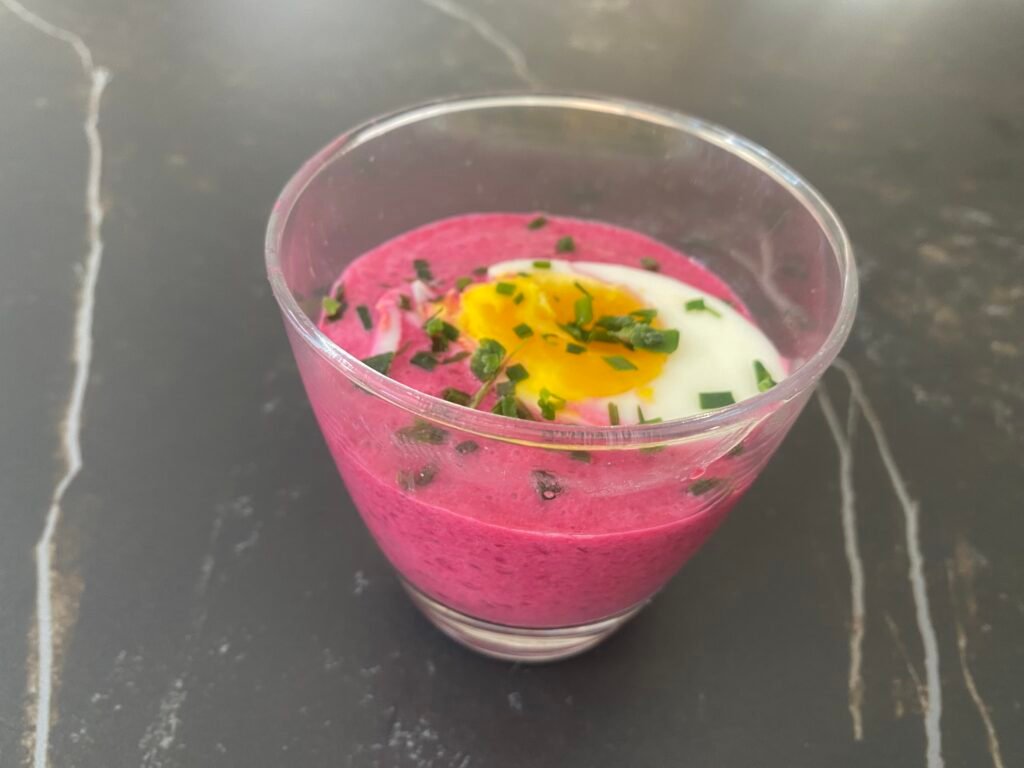
- Šaltibarščiai : A cold soup of beets and kefir, served with boiled potatoes.
- Cepelinai (gluten-free version) : Potato balls stuffed with meat or cheese, often served with bacon and cream, can be adapted with gluten-free flour.
- Kugelis : A baked potato gratin with pork, onions, and eggs.
- Raguolis (gluten-free version) : A tree-shaped cake, traditional for Lithuanian celebrations, which can be adapted with gluten-free flours.
These dishes demonstrate the richness and simplicity of Lithuanian cuisine, with options suitable for gluten-free diets.
Must-See Attractions in Lithuania
Lithuania offers a variety of picturesque landscapes and historical sites. Here are some must-see destinations to discover:
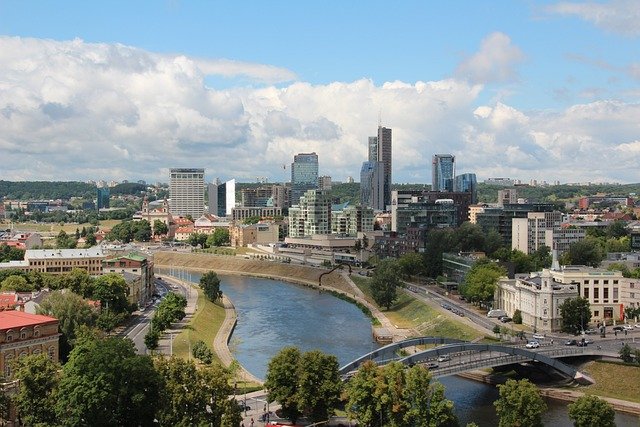
- Vilnius : The capital, with its historic center listed as a UNESCO World Heritage Site, its cobbled streets, its baroque churches and its monuments such as Vilnius Cathedral and the Gate of Dawn .
- Hill of Crosses : An impressive pilgrimage site where thousands of crosses have been erected by Lithuanians over the centuries.
- Trakai : A medieval town surrounded by lakes, famous for its Trakai Castle located on an island, a jewel of Gothic architecture.
- Curonian Spit National Park : A unique natural site with spectacular sand dunes, a UNESCO World Heritage Site.
These places reflect the cultural and natural diversity of Lithuania, a land of contrasts where history and nature blend harmoniously.