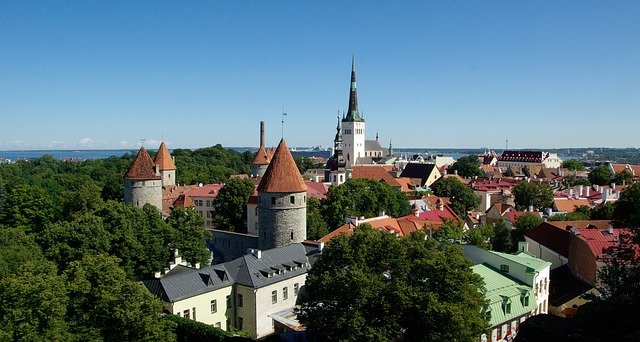
Estonia, located in Northern Europe, is a country with a complex and rich history, influenced by its Scandinavian, Russian, and Baltic neighbors. From the early Finno-Ugric tribes to its modern independence in 1991, Estonia has been marked by periods of Danish, Swedish, German, and Soviet rule. Today, it is an independent state, a member of the European Union, and recognized for its advanced technology and commitment to environmental protection. Estonian culture is closely linked to nature, and traditional festivals, such as those associated with the summer solstice, are celebrated with enthusiasm.
Estonia is a destination where ancient traditions and modernity meet, offering visitors a fascinating blend of culture, nature, and technological progress.
Traditional Gastronomy and Gluten-Free Options
Estonian cuisine reflects the influences of its northern climate and its historical ties with its neighbors. Traditional meals are based on meat, fish, potatoes, and local vegetables. Many Estonian dishes are naturally gluten-free or can be easily adapted to suit a gluten-free diet.
Here are some Estonian dishes that are naturally gluten-free:
- Mulgipuder : A puree of potatoes and buckwheat groats, often served with pieces of smoked meat.
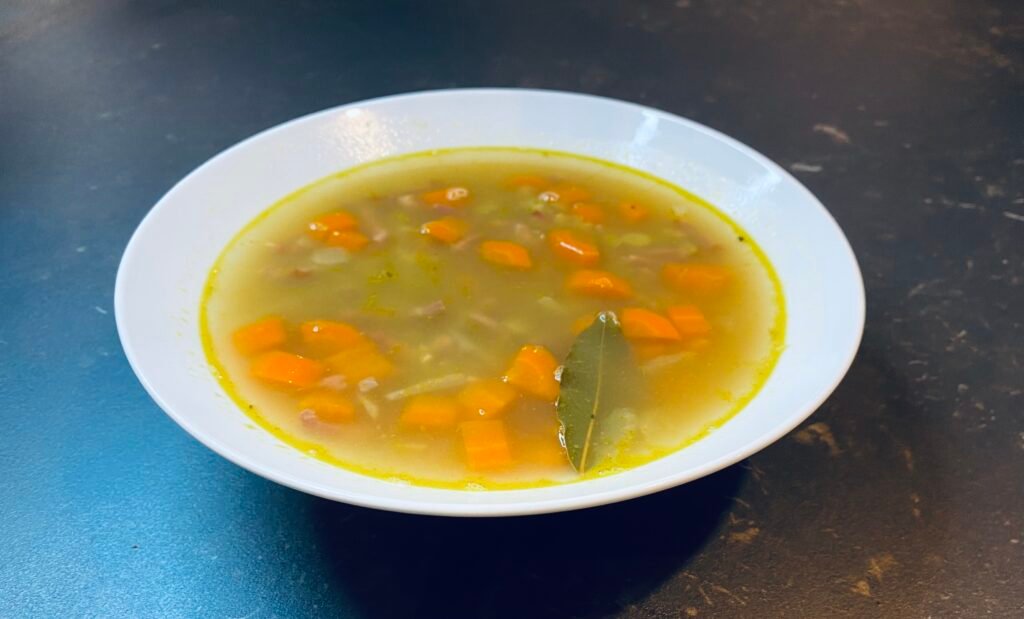
- Hapukapsasupp : A traditional soup made from fermented cabbage, potatoes and pork.
- Sült : A meat dish in aspic, often prepared with pork or beef, served cold.
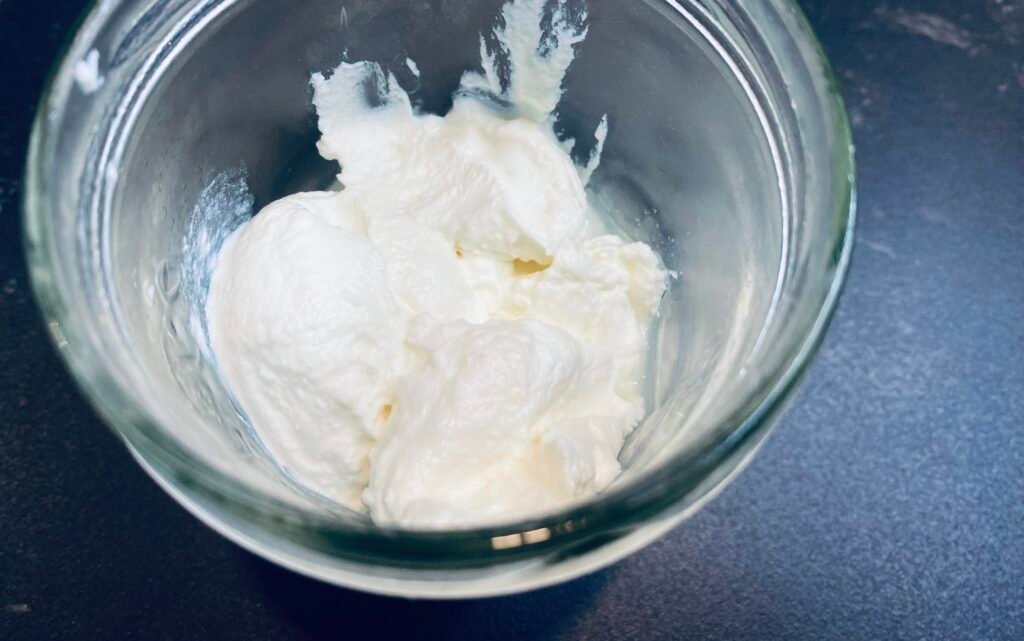
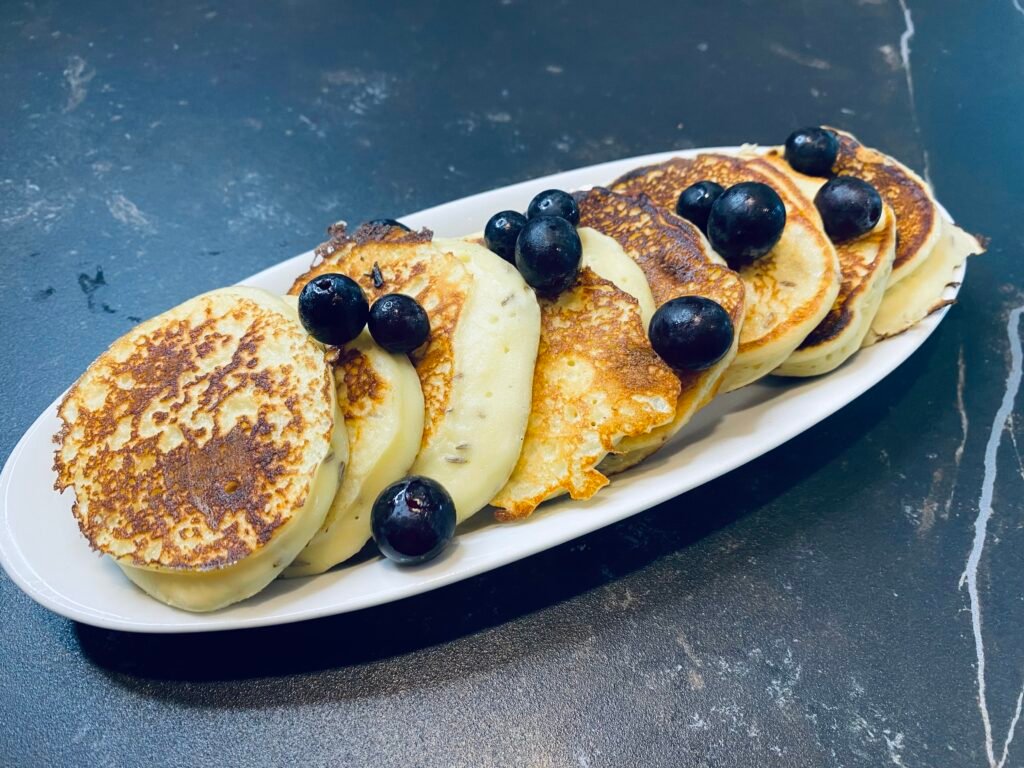
- Kohupiim : An Estonian soft cheese used in many desserts, often served with wild berries and honey.
These dishes showcase the simplicity and richness of Estonian cuisine, while also offering options suitable for gluten-free diets.
Must-See Attractions in Estonia
Estonia is full of fascinating natural landscapes and historical sites to explore. Here are a few must-sees:
- Tallinn : The Estonian capital, with its perfectly preserved medieval old town, a UNESCO World Heritage Site, and its unique atmosphere.
- Lahemaa National Park : A natural park located on the north coast, with its forests, marshes, and historic mansions.
- Saaremaa Island : Known for its windmills, medieval castles and peaceful forests, Saaremaa offers an ideal setting for nature lovers.
- Tartu : The second largest city in Estonia, Tartu is a university center with a vibrant cultural life and numerous museums.
These destinations showcase the cultural and natural diversity of Estonia, a land of breathtaking landscapes and rich history.