Croatia, located on the Adriatic coast, is a country rich in history and culture, having been home to numerous civilizations, from the Romans and Byzantines to the Ottomans and Habsburgs. This mosaic of influences has shaped modern Croatia, which gained its independence in 1991 after the dissolution of Yugoslavia. The country is now known for its well-preserved medieval cities, such as Dubrovnik and Split , as well as its lush natural beauty, with national parks and idyllic beaches. Croatian culture is characterized by a love of the sea, traditional music, and seasonal festivals, where customs and cuisine play a central role.
Croatia is a country where natural beauty meets a fascinating historical heritage, making it a prime destination for travelers seeking authenticity.
Traditional Gastronomy and Gluten-Free Options
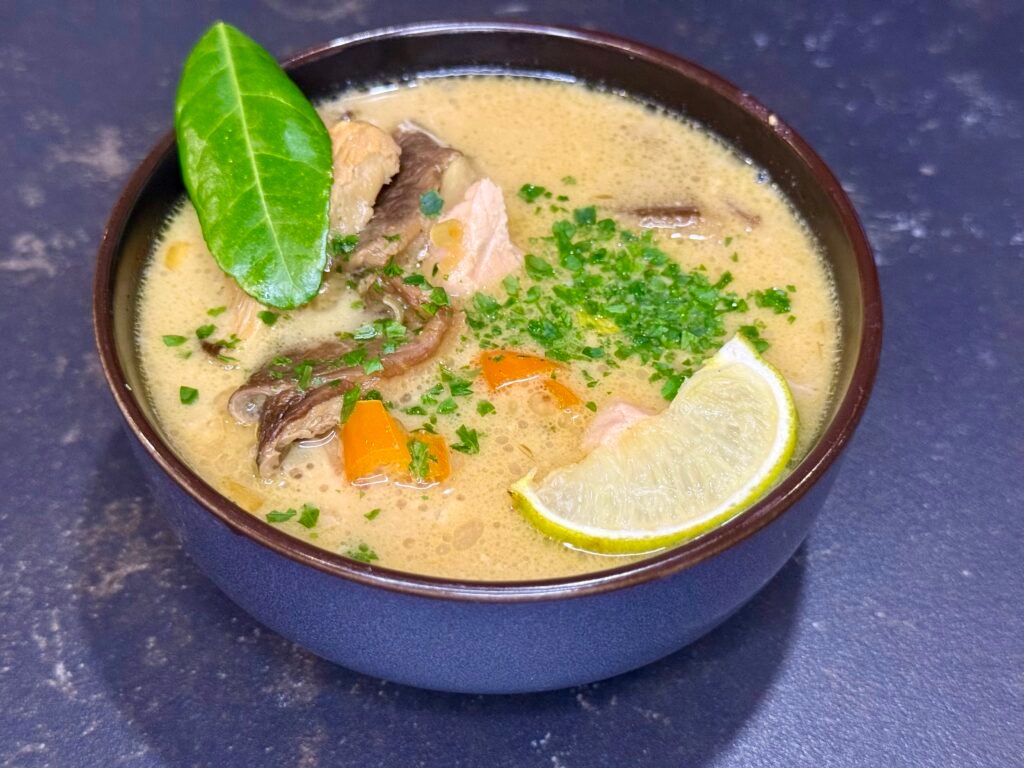
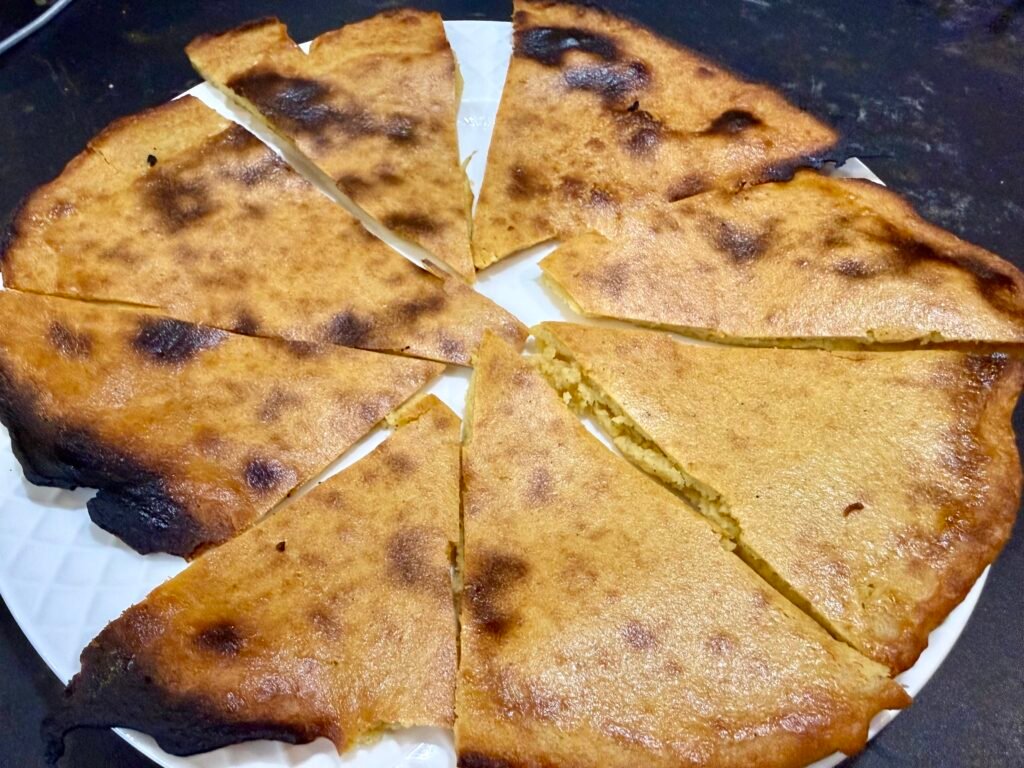
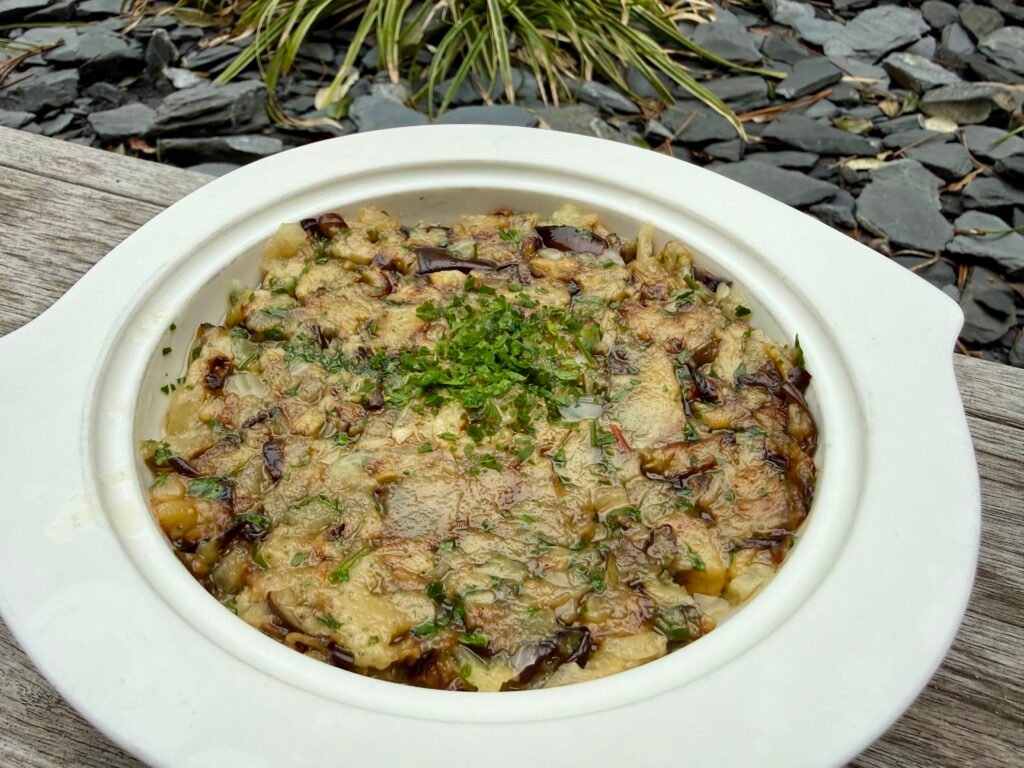
Croatian cuisine is diverse and varies from region to region. Along the coast, seafood and Mediterranean dishes dominate, while inland, more rustic, mountain-style dishes featuring meat and potatoes are popular. For those following a gluten-free diet, many traditional Croatian dishes are naturally gluten-free, especially those made with fish and fresh vegetables.
Here are some gluten-free Croatian dishes:
- Peka : A dish of meat (lamb, chicken or beef) and vegetables cooked under a metal dome in embers, perfect for a gluten-free option.
- Crni Rižot : A black risotto made with cuttlefish, often served on the Dalmatian coast, naturally gluten-free thanks to the use of rice and seafood.
- Sarma : Cabbage leaves stuffed with meat and rice, served in a tomato-based sauce. This dish is naturally gluten-free.
- Grilled fish and seafood : Fresh fish is often grilled and served simply with olive oil and vegetables, a perfect option for a gluten-free meal.
These dishes showcase the diversity and richness of Croatian cuisine, while also offering naturally gluten-free alternatives.
Must-See Attractions in Croatia
Croatia is a country with diverse landscapes and impressive architecture. Here are some must-see sites to discover during your stay:
- Dubrovnik : Nicknamed “the Pearl of the Adriatic,” this fortified medieval city is a UNESCO World Heritage Site. Stroll along its ramparts and admire the spectacular sea views.
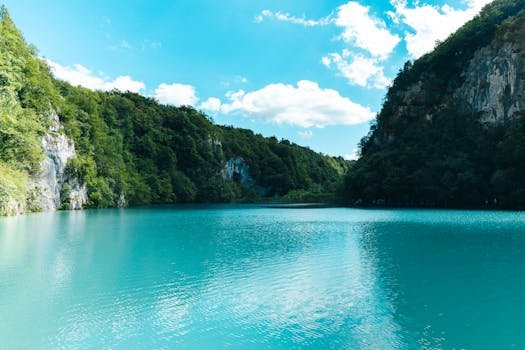
- Plitvice Lakes National Park : This park is famous for its turquoise lakes connected by waterfalls, surrounded by forests. A paradise for hikers and nature lovers.
- Split : Historic city home to Diocletian's Palace , a vast and well-preserved Roman complex where the ancient and modern coexist.
- Islands of Hvar and Korčula : These Croatian islands are known for their idyllic beaches, picturesque villages and mountainous landscapes, ideal for relaxation and water sports.
These destinations represent the geographical and cultural diversity of Croatia, a destination that combines natural beauty and historical heritage.