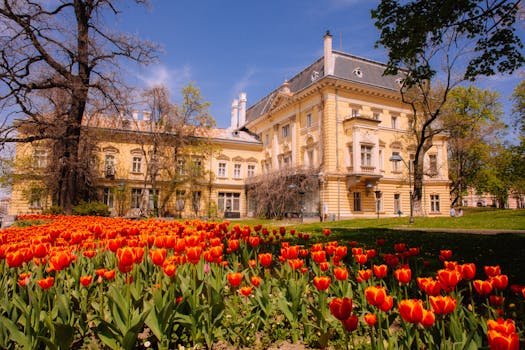
Bulgaria, located in southeastern Europe, is a country rich in history dating back to the time of the Thracians, Byzantines, and Ottomans. Since its founding in the 7th century, Bulgaria has experienced numerous upheavals, particularly under the Ottoman Empire, before regaining its independence in the 19th century. Today, Bulgaria is a member of the European Union and offers a fascinating blend of ancient traditions and modernity. Its monasteries, folk festivals, and dances like the horo reflect its unique cultural heritage. Furthermore, Bulgaria is renowned for its Orthodox religious heritage, with splendid churches and monasteries scattered throughout the country.
Bulgaria is a country where ancient history and vibrant culture come together to offer an authentic and enriching experience.
Traditional Gastronomy and Gluten-Free Options
Bulgarian cuisine is influenced by its Balkan and Mediterranean neighbors, with a strong presence of fresh vegetables, grilled meats, and dairy products. Many dishes are naturally gluten-free, as they rely on simple, rustic ingredients. Bulgaria is also famous for its unique yogurt, which uses a specific bacterial strain, Lactobacillus bulgaricus .
Here are some Bulgarian dishes that are naturally gluten-free:
- Shopska Salata : A refreshing salad made with tomatoes, cucumbers, peppers, onions, and Sirene cheese (similar to feta), drizzled with olive oil. This dish is naturally gluten-free.
- Kebab : Spiced minced meat shaped into a sausage, grilled and served with vegetables or potatoes. This dish is naturally gluten-free.
- Sarmi : Vine leaves stuffed with rice and minced meat, cooked in a tomato sauce. This traditional dish is naturally gluten-free.
- Tarator : A cold soup made with yogurt, cucumbers, and walnuts, often served in summer. A refreshing and gluten-free dish.
These Bulgarian dishes are a great way to discover local flavors while following a gluten-free diet.
Must-See Attractions in Bulgaria
Bulgaria offers a wide variety of landscapes, from mountains and beaches to historic cities. Here are some must-see sites to discover during your trip:
- Sofia : The Bulgarian capital is a fascinating blend of history and modernity, with iconic sites such as the Alexander Nevsky Cathedral , the National Palace of Culture and Roman ruins.
- Plovdiv : One of the oldest cities in Europe, Plovdiv is home to well-preserved Roman ruins, such as the ancient amphitheater, and a charming city center with colorful houses.
- Rila Monastery : This Orthodox monastery, a UNESCO World Heritage Site, is one of the most impressive sites in the country, nestled in the Rila Mountains.
- Black Sea beaches : The Bulgarian coast offers magnificent beaches, especially in Varna and Burgas , ideal for relaxation and water sports.
These sites illustrate the historical richness and natural beauty of Bulgaria, a perfect destination for lovers of culture and nature.