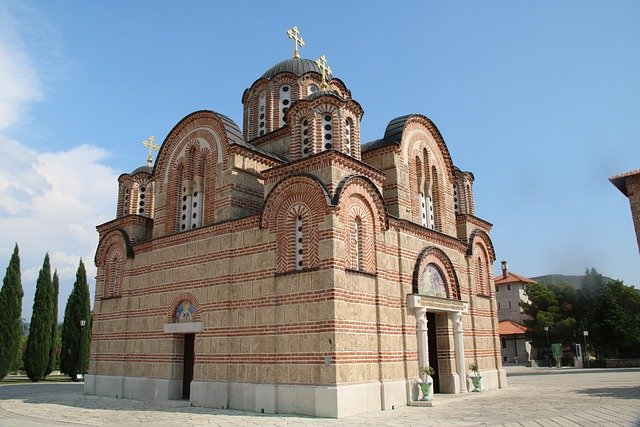
La Bosnie-Herzégovine, souvent appelée simplement Bosnie, est un pays situé dans les Balkans avec une histoire riche et complexe. Autrefois une partie de l’Empire ottoman, puis de l’Empire austro-hongrois, la Bosnie est devenue un état moderne après l’effondrement de la Yougoslavie dans les années 1990. Malgré une guerre civile tragique, le pays a su reconstruire son identité et se réinvente aujourd’hui comme une destination culturelle et touristique. La Bosnie est un carrefour de civilisations où coexistent les influences ottomanes, autrichiennes et balkaniques, visibles dans son architecture, sa musique et sa culture. Des villes comme Sarajevo et Mostar sont des témoignages vivants de cette histoire.
La Bosnie est un pays où l’histoire et la résilience se mêlent pour offrir une expérience culturelle unique, avec des traces de son passé tout en regardant vers l’avenir.
Gastronomie Traditionnelle et Options Sans Gluten
La cuisine bosnienne est influencée par ses voisins balkaniques, ainsi que par son héritage ottoman. Les plats traditionnels sont souvent à base de viandes grillées, de légumes et de produits laitiers. Heureusement, de nombreuses spécialités bosniennes sont naturellement sans gluten, mettant en avant des ingrédients simples et rustiques.
Voici quelques plats bosniens naturellement sans gluten :
- Ćevapi : De petites saucisses de viande grillée (souvent du bœuf ou de l’agneau), servies avec des oignons, des poivrons et parfois du fromage. Ce plat est naturellement sans gluten s’il est consommé sans pain.
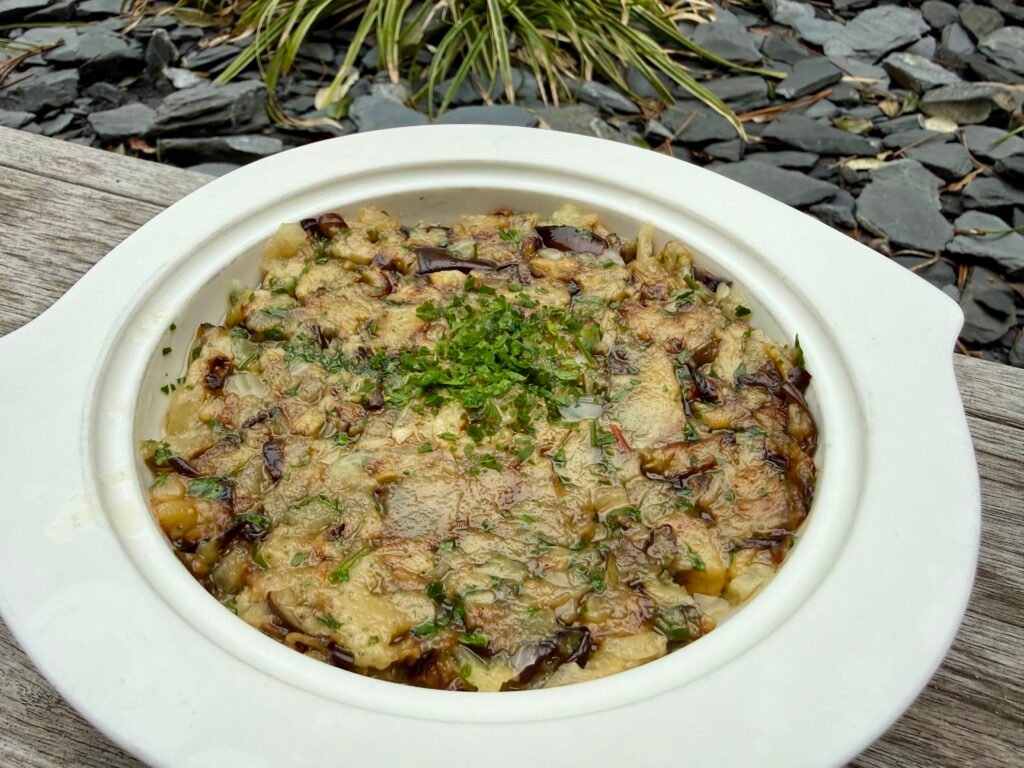
- Sogan-dolma : Des oignons farcis de viande et de riz, cuits dans une sauce tomate légère, un plat naturellement sans gluten.
- Begova Čorba : Une soupe traditionnelle bosnienne à base de poulet et de légumes, épaissie avec de la farine de riz pour une option sans gluten.
- Pilav : Un plat de riz parfumé cuit avec de la viande ou des légumes, parfait pour accompagner les plats principaux.
Ces plats démontrent la simplicité et la richesse des saveurs de la cuisine bosnienne, tout en respectant un régime sans gluten.
Les Incontournables à Visiter en Bosnie
La Bosnie offre une grande variété de paysages, des montagnes aux villes historiques en passant par des villages pittoresques. Voici quelques sites incontournables à visiter :
- Sarajevo : La capitale de la Bosnie, avec son mélange unique d’architecture ottomane, austro-hongroise et moderne. Explorez le Vieux Bazar Baščaršija et la mosquée Gazi Husrev-bey, symboles de l’histoire ottomane.
- Mostar : Célèbre pour son Pont de Mostar, un symbole de la ville reconstruit après la guerre, et ses rues pavées bordées de boutiques artisanales.
- Parc national de Sutjeska : Ce parc abrite la dernière forêt vierge d’Europe et est parfait pour la randonnée et l’observation de la faune, avec des paysages à couper le souffle.
- Jajce : Une ville pittoresque avec une chute d’eau impressionnante en son centre, ainsi qu’une citadelle médiévale à explorer.
Ces lieux illustrent la richesse historique et la beauté naturelle de la Bosnie, un pays qui combine des paysages saisissants et un patrimoine culturel vivant.
Recettes
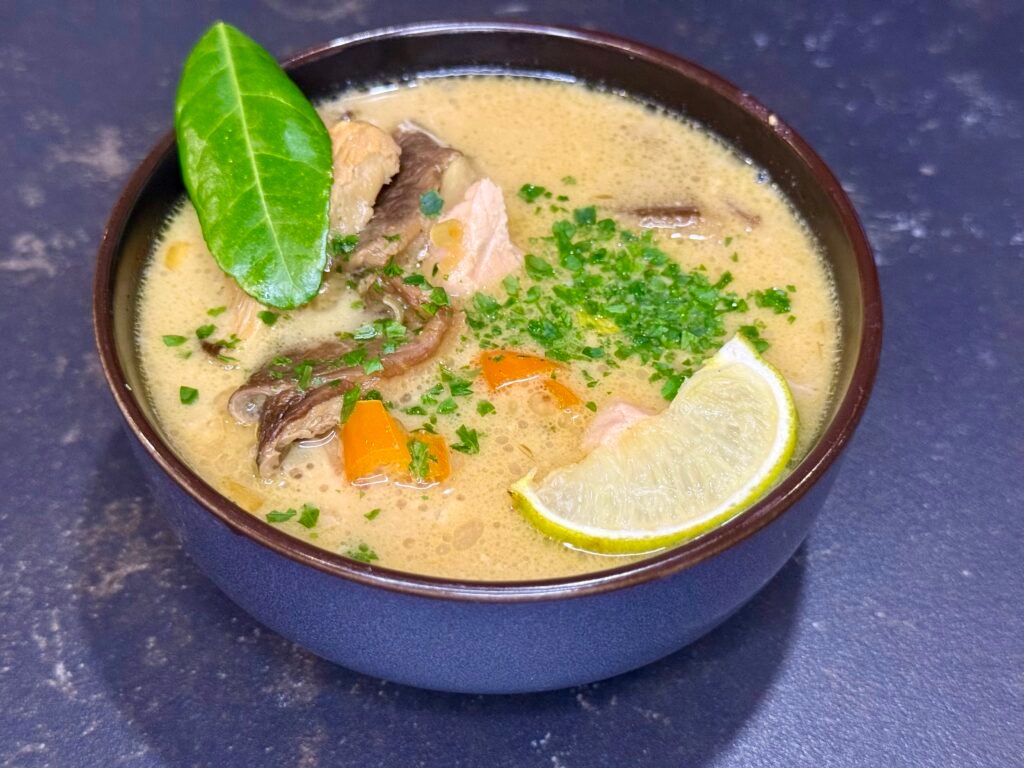
Le Tom Kha Pla : ma soupe coup de coeur Thaïlandaise
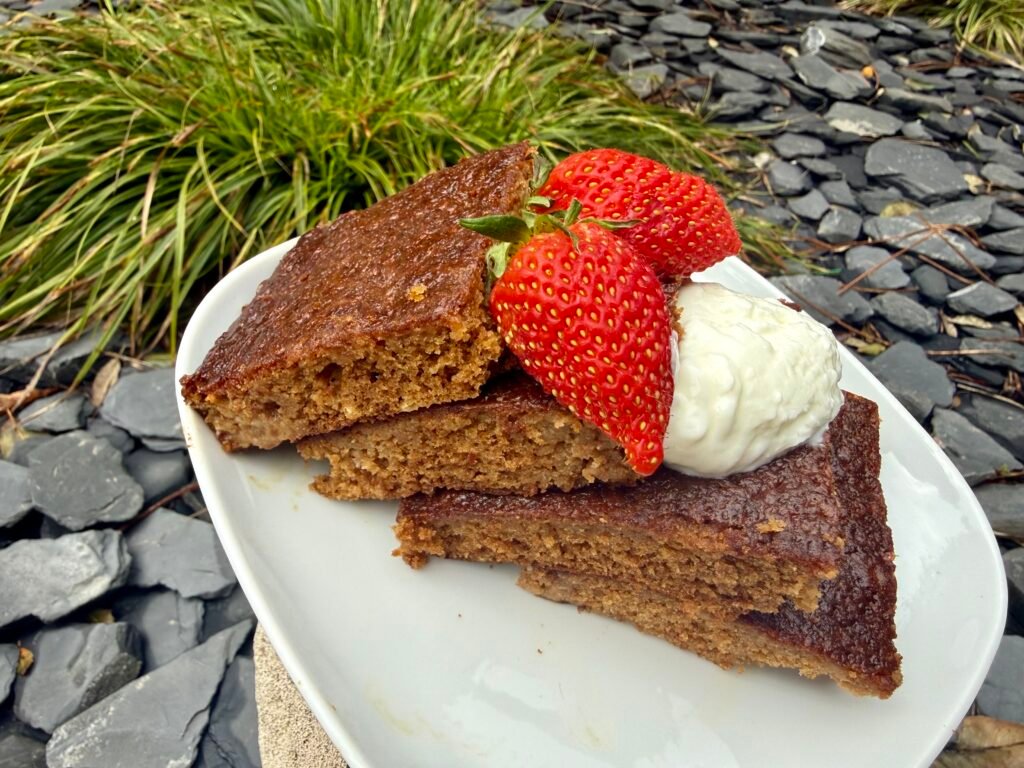
Le Malva pudding, coup de coeur sucré de Namibie
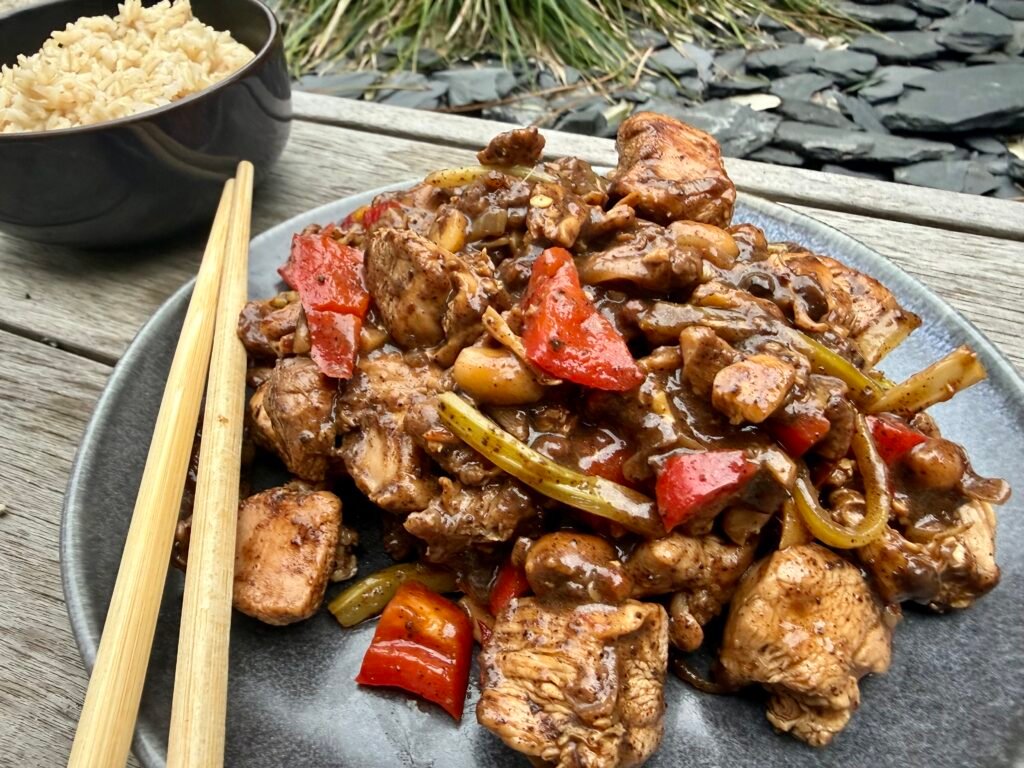
Le Poulet Kung Pao, ou le poulet impérial
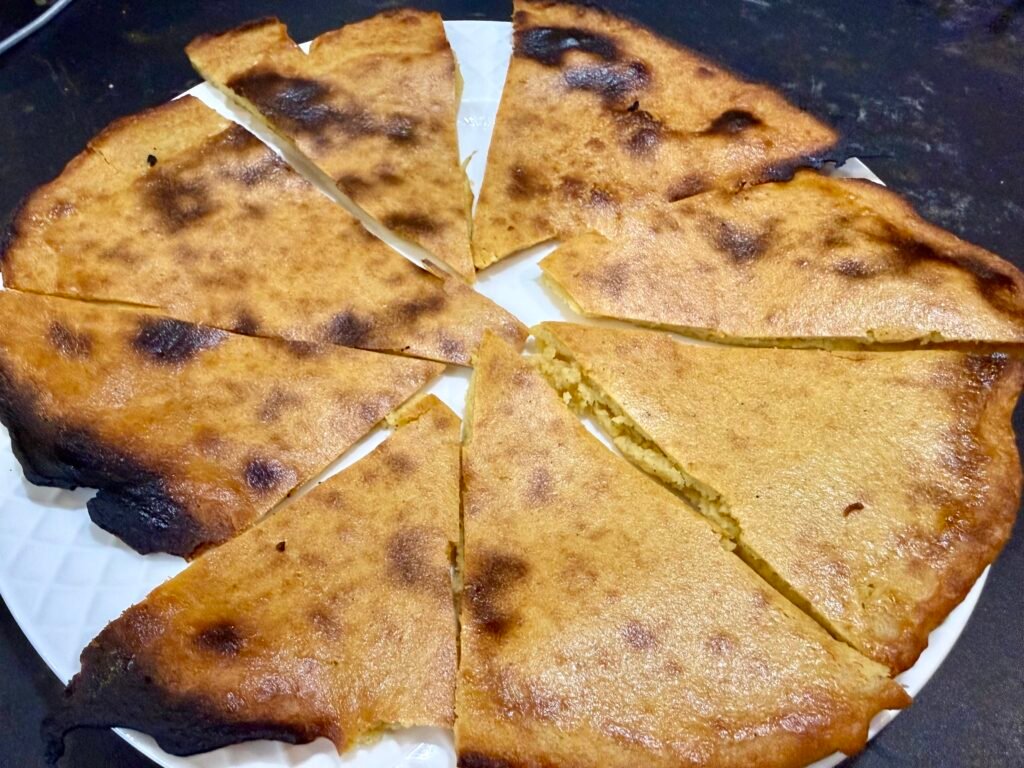
La Socca Niçoise: la petite galette à la farine de pois chiche.
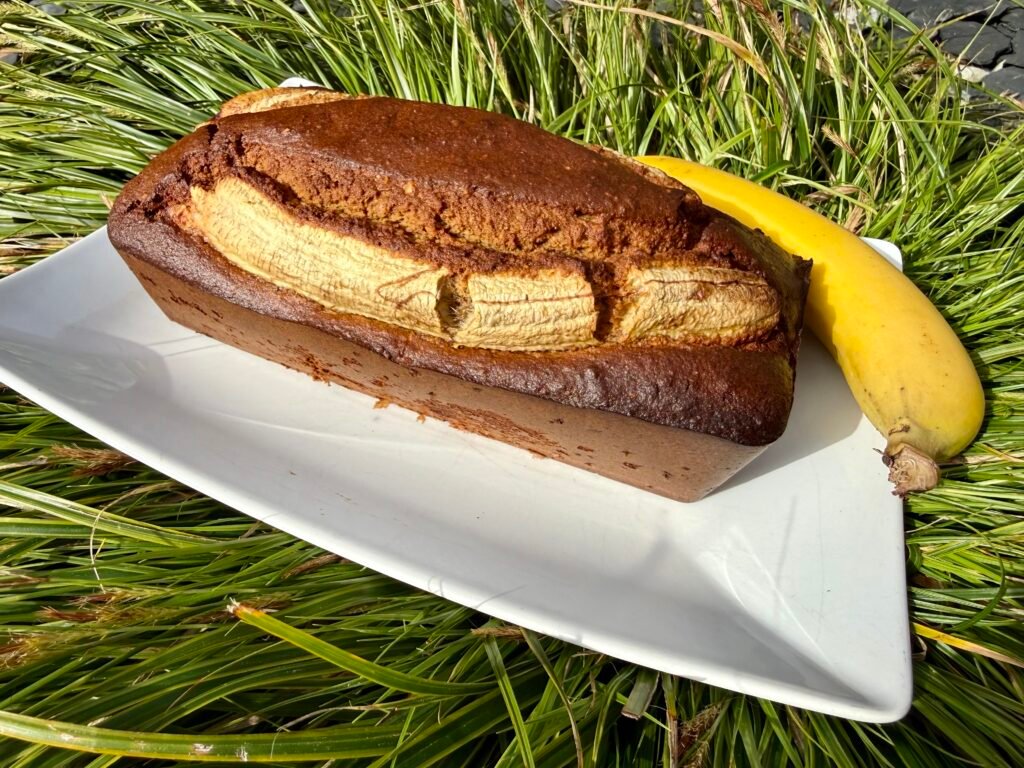
Banana Bread, sans gluten, IG bas et sans lactose