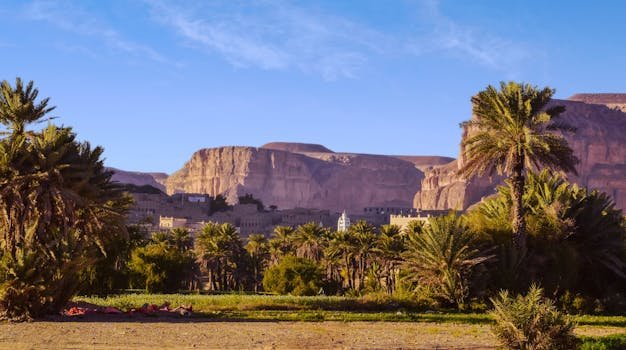
Yemen, located at the southwestern tip of the Arabian Peninsula, is a country with a rich and ancient history, dating back to the kingdoms of Saba, Qataban, and Ma'in. Once a crossroads of trade routes connecting Arabia, Africa, and Asia, Yemen prospered from the production of frankincense and myrrh. In the Middle Ages, the city of Zabid was a center of Islamic learning and culture. The magnificent mud-brick skyscrapers of Shibam, nicknamed the "Manhattan of the Desert," and the traditional houses of Sana'a, a UNESCO World Heritage Site, are testaments to Yemen's unique architecture. Today, despite recent challenges, Yemen remains a land where ancestral culture and traditions are deeply rooted.
Yemen is a captivating destination, steeped in mystery and beauty, where traditions and hospitality remain pillars of daily life.
Traditional Gastronomy and Gluten-Free Options
Yemeni cuisine is characterized by rich, flavorful dishes, often simmered with local spices and herbs. Meals typically consist of meat, vegetables, and bread, but many traditional dishes are naturally gluten-free, provided the right accompaniments are chosen.
Here are some Yemeni dishes that are naturally gluten-free:
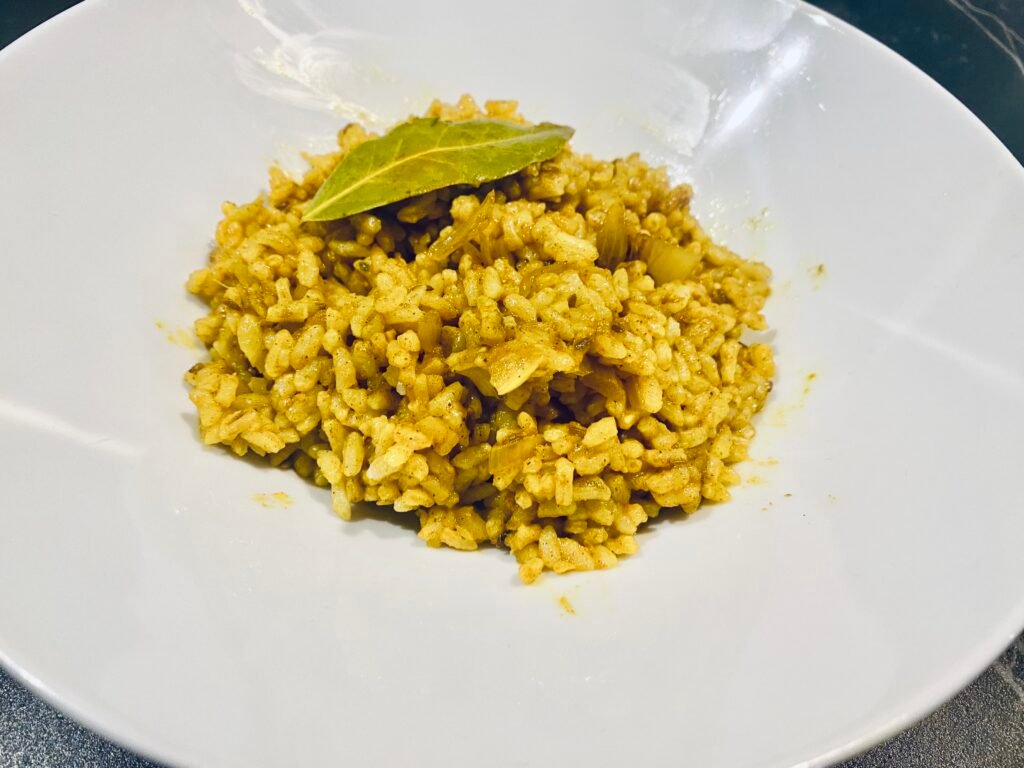
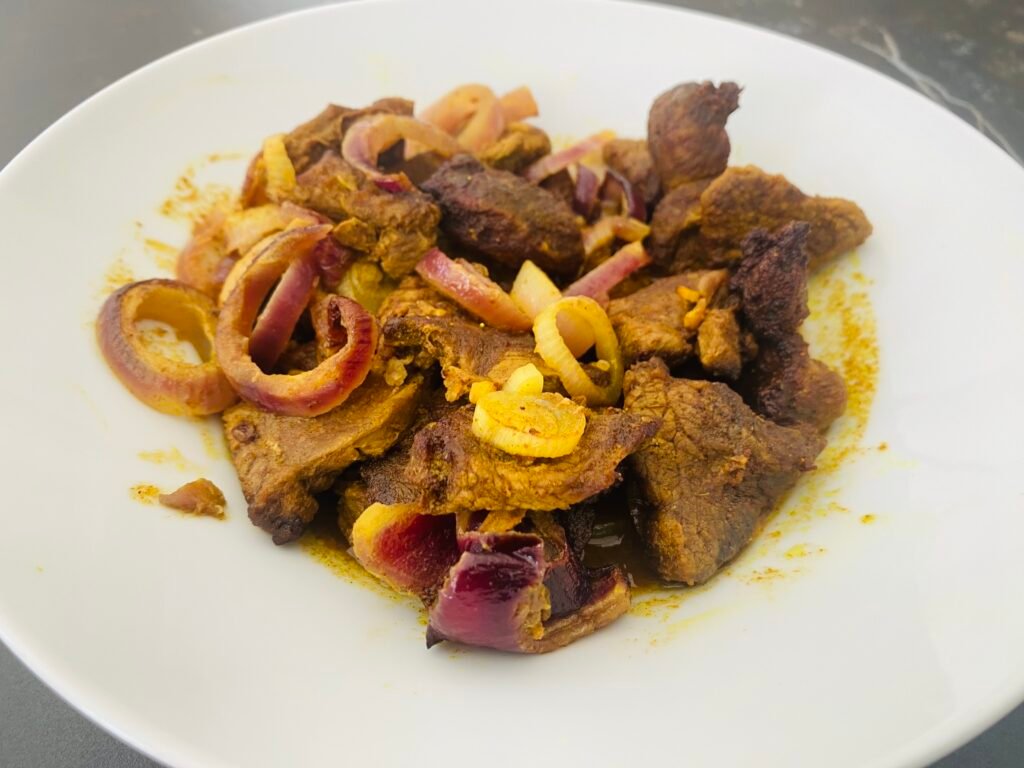
- Saltah : A slow-cooked meat dish, often lamb, served with a fenugreek-based sauce called hulbah and spiced broth. This dish can be eaten with rice for a gluten-free option.
- Fahsa : A lamb meat stew with herbs and spices, usually served with rice or millet.
- Maraq : A light meat-based soup, flavored with cardamom, turmeric and coriander.
- Bint al-Sahn : A traditional flaky pastry, sometimes prepared without wheat flour using alternative flours for a gluten-free version.
These dishes showcase the richness and simplicity of Yemeni cuisine while also being suitable for a gluten-free diet.
Must-See Places to Visit in Yemen
Yemen is a land of diverse landscapes, ranging from deserts and mountains to historic cities. Here are some must-see places to discover:
- Sanaa : The capital of Yemen, with its mud-brick houses adorned with geometric patterns and its lively souks, is an architectural gem listed as a UNESCO World Heritage Site.
- Shibam : Nicknamed the “Manhattan of the desert”, this city is famous for its multi-story mud towers, a unique example of ancient urban architecture.
- Socotra Island : Known for its exceptional biodiversity, this archipelago is home to surreal landscapes and unique plant species, such as the dragon's blood tree.
- Al-Hajarah : A village perched in the mountains, offering breathtaking views of the surrounding valleys and a glimpse into traditional Yemeni life.
These destinations bear witness to the beauty and millennia-old history of Yemen, a land of contrasts and wonders.