Turkey, situated at the crossroads of Europe and Asia, is a country rich in history and culture, heir to the Byzantine and Ottoman empires. For centuries, it has been a melting pot of civilizations, where East and West met. Turkish history is marked by conquests, cultural exchanges, and empires that have left their mark on the country's architecture, art, and traditions. Ancient cities like Istanbul , formerly Constantinople, bear witness to this rich history. Modern Turkey, founded in 1923 by Mustafa Kemal Atatürk, is today a secular republic that blends modernity and tradition.
Turkish culture is a unique blend of Eastern and Western customs, evident in its festivals, crafts, and music. The country celebrates traditional events such as Ramadan and national holidays that reflect its rich and diverse past.
Traditional Gastronomy and Gluten-Free Options
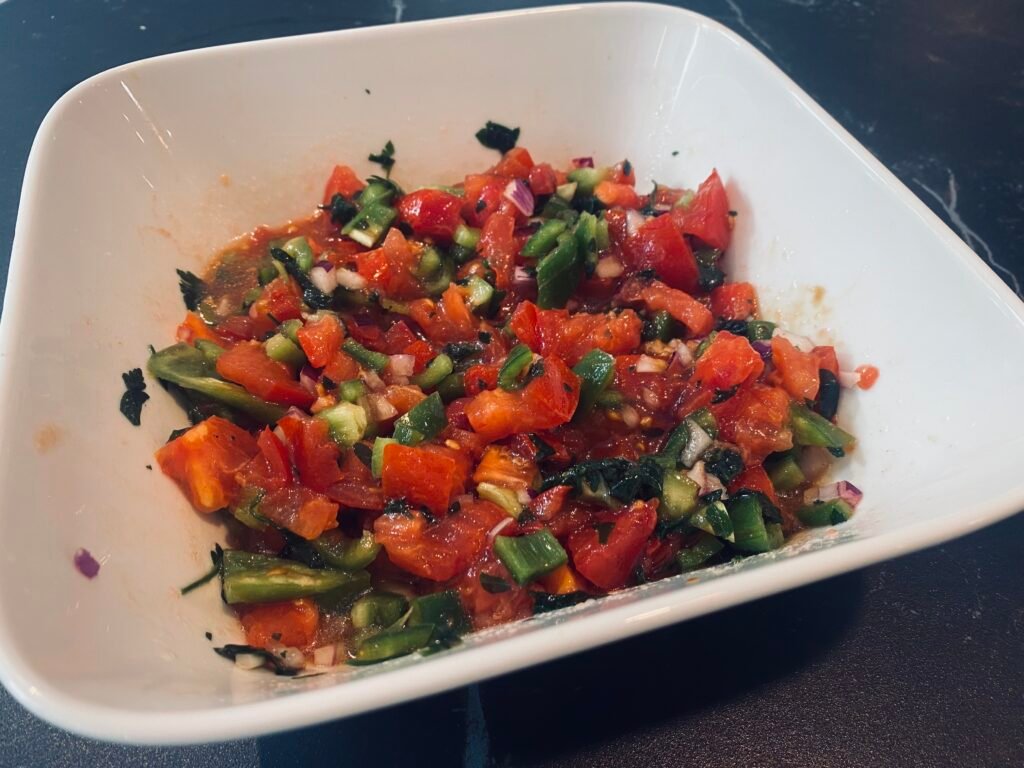
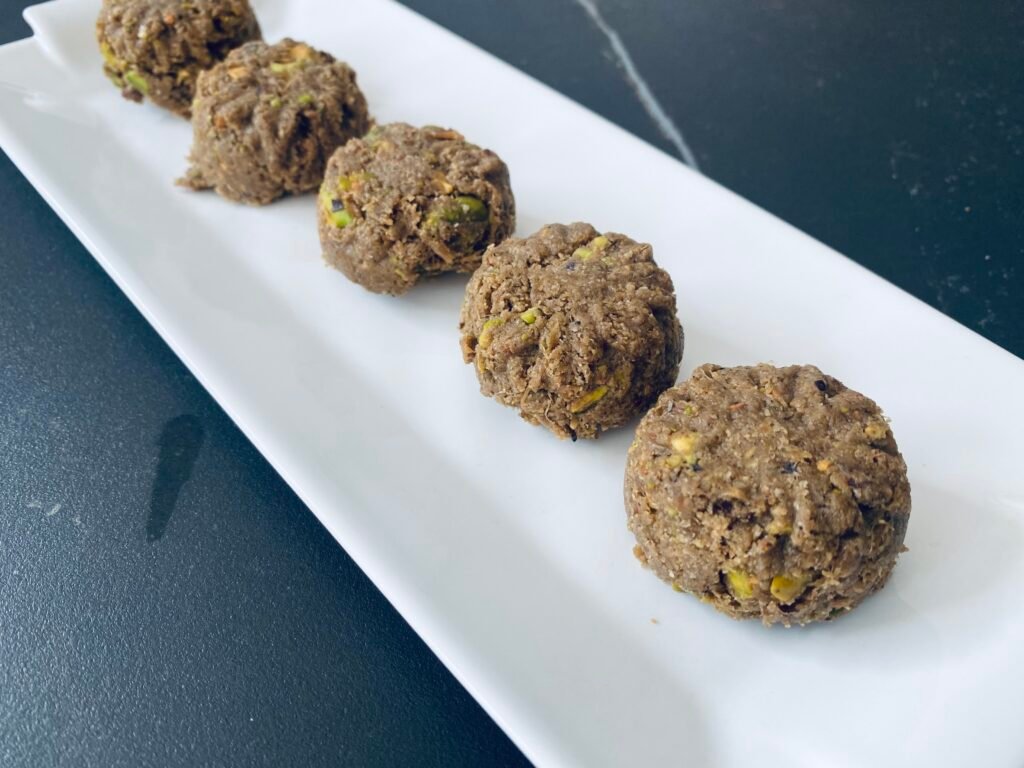
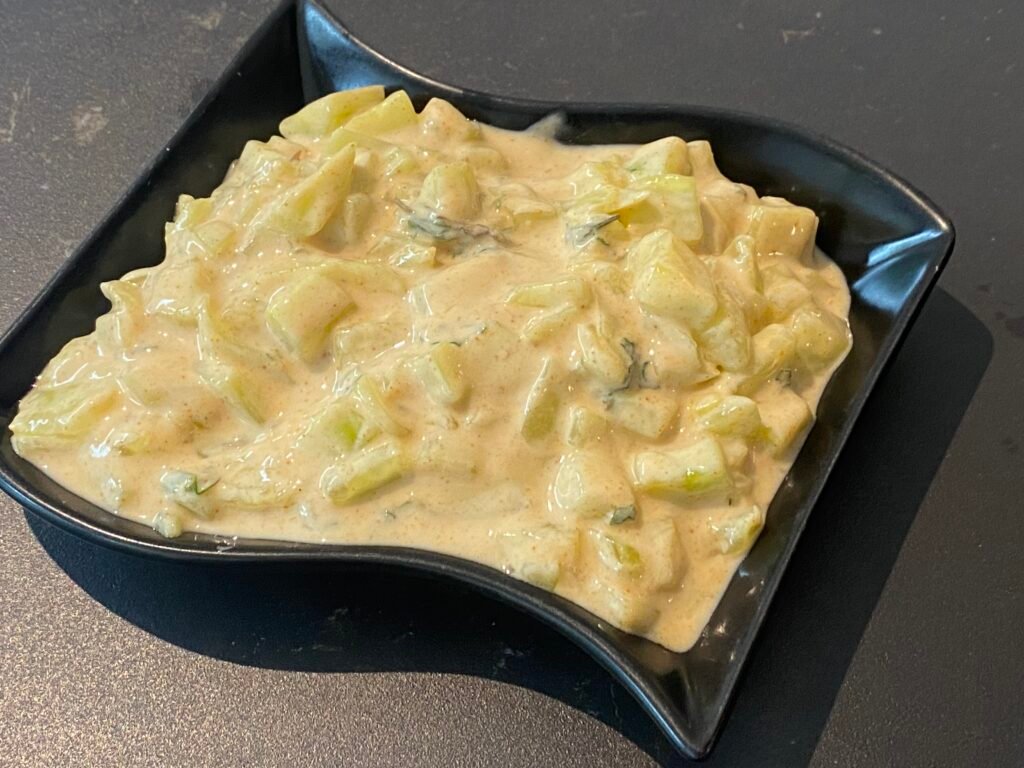
Turkish cuisine is famous for its authentic flavors, inspired by Mediterranean, Middle Eastern, and Central Asian cuisines. Dishes often feature fresh vegetables, meat, and fish, enhanced with aromatic herbs and spices. While wheat is a common ingredient in many recipes, there are numerous gluten-free alternatives in traditional Turkish cooking.
Here are some Turkish dishes that are naturally gluten-free:
- Kebabs : Prepared with grilled pieces of meat, such as lamb or chicken, kebabs are often served with fresh vegetables and rice, making for a tasty and gluten-free meal.
- Dolma : Vine leaves or peppers stuffed with rice, herbs, and spices. This dish is generally gluten-free if no flour is added to the preparation.
- Imam Bayildi : Eggplants stuffed with vegetables and spices, slowly cooked in olive oil. This vegetarian dish is naturally gluten-free.
- Halva : A pastry found in other Middle Eastern countries and in Greece.
These dishes offer a delicious introduction to the richness of Turkish cuisine, while also being suitable for people following a gluten-free diet.
Must-See Places to Visit in Türkiye
Turkey is a fascinating destination with diverse landscapes, historical sites, and natural wonders to explore. Here are some must-see attractions during your trip:
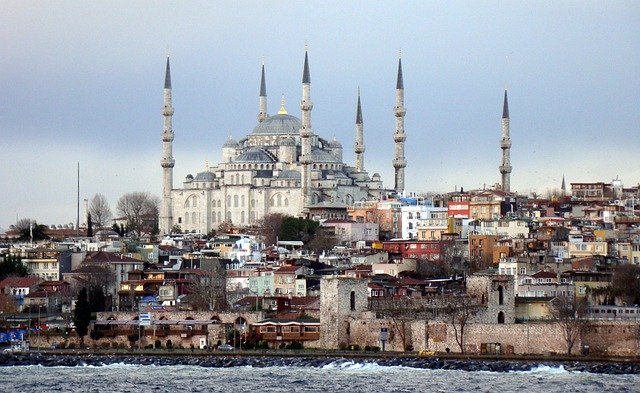
- Istanbul : The former capital of the Byzantine and Ottoman empires, Istanbul is a city where East meets West. Visit the Hagia Sophia , the Blue Mosque , and the Grand Bazaar for a glimpse into Turkish history and culture.
- Cappadocia : Known for its unique rock formations and cave dwellings, Cappadocia is famous for its hot air balloons that fly over the landscapes at sunrise.
- Ephesus : This ancient Greco-Roman city is one of Turkey's most impressive archaeological sites, with its well-preserved ruins, including the Temple of Artemis and the Library of Celsus .
- Pamukkale : The white travertine terraces of Pamukkale are a unique natural spectacle, where visitors can bathe in natural thermal pools while admiring this spectacular landscape.
These destinations offer a blend of , cultural and natural wonders , making Turkey a must-see travel destination.