
The Maldives, an archipelago of over 1,000 islands in the Indian Ocean, are synonymous with idyllic beaches, turquoise lagoons, and luxury resorts. Historically, the Maldives have been a hub for trade between Asia, Africa, and the Middle East. This strategic location has shaped Maldivian culture, a blend of African, Arab, Indian, and Sri Lankan influences. Maldivians are predominantly Sunni Muslims, and the local culture is deeply rooted in Islamic traditions. Religious celebrations like Eid al-Fitr and festivals related to the sea punctuate life in the archipelago.
Today, the Maldives are one of the world's most popular destinations for beach and diving enthusiasts, attracting travelers seeking tranquility and luxury in an exceptional natural setting.
Traditional Gastronomy and Gluten-Free Options
Maldivian cuisine, called dhivehi , is primarily composed of fish, coconut, and rice. Fishing being one of the archipelago's main economic activities, fish (especially tuna) is ubiquitous in traditional dishes. Maldivian cuisine is naturally rich in gluten-free options thanks to its use of fresh produce, rice, and vegetables.
Here are some Maldivian dishes that are gluten-free:
- Mas huni : A breakfast dish made with shredded tuna, coconut, onions, and chilies, often served with roshi (flatbread). It is naturally gluten-free when served with rice or vegetables.
- Garudhiya : A simple and tasty fish soup, often prepared with tuna, lime, chili, and onions. This dish is naturally gluten-free.
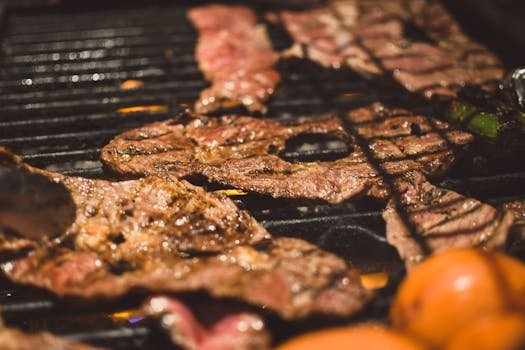
- Fihunu mas : Grilled fish, usually tuna, marinated with spices like chili and turmeric. A naturally gluten-free dish full of flavor.
- Coconut milk fish curry : A fragrant curry made with fresh fish, coconut milk, chili, and spices, served with rice. A naturally gluten-free option.
These dishes allow you to discover the richness of Maldivian cuisine while following a gluten-free diet.
Must-See Attractions in the Maldives
While the Maldives are famous for their white sand beaches and crystal-clear lagoons, the archipelago also offers unique cultural and natural experiences. Here are a few must-sees to explore:
- Malé : The Maldivian capital is a fascinating blend of modernity and traditional culture. Visit the Maldives National Museum , the Friday Mosque , and the fish market to discover the history and daily life of the Maldivian people.
- Ari Atoll : One of the best places for scuba diving, with incredible marine biodiversity. You'll find sharks, manta rays, and breathtaking coral reefs.
- Maafushi Island : For a more local and less touristy experience, Maafushi offers beautiful beaches, boat trips and a glimpse into Maldivian island life.
- Baa Atoll : A UNESCO-listed biosphere reserve, this atoll is home to exceptional marine fauna, including sea turtles, dolphins and whale sharks.
These destinations immerse you in the natural and cultural beauty of the Maldives, a true paradise for nature and sea lovers.
Travel souvenirs
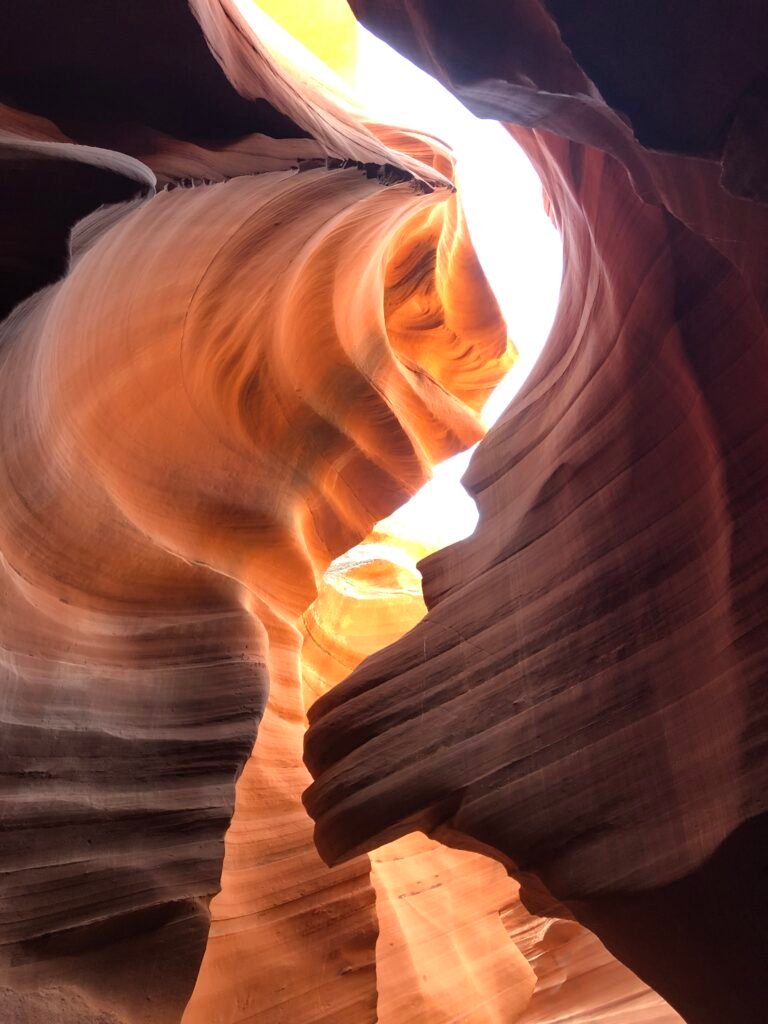
Loop Las Vegas – Bryce Canyon – Momument valley – Grand-canyon
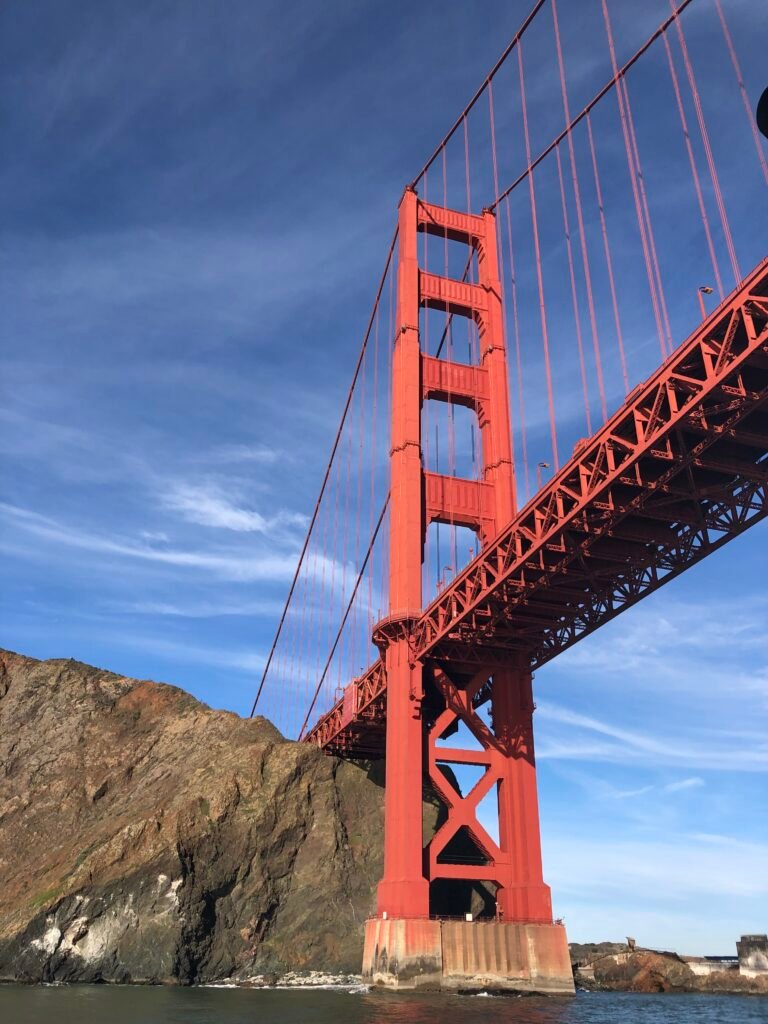
California: San José – Death Valley – San Francisco loop
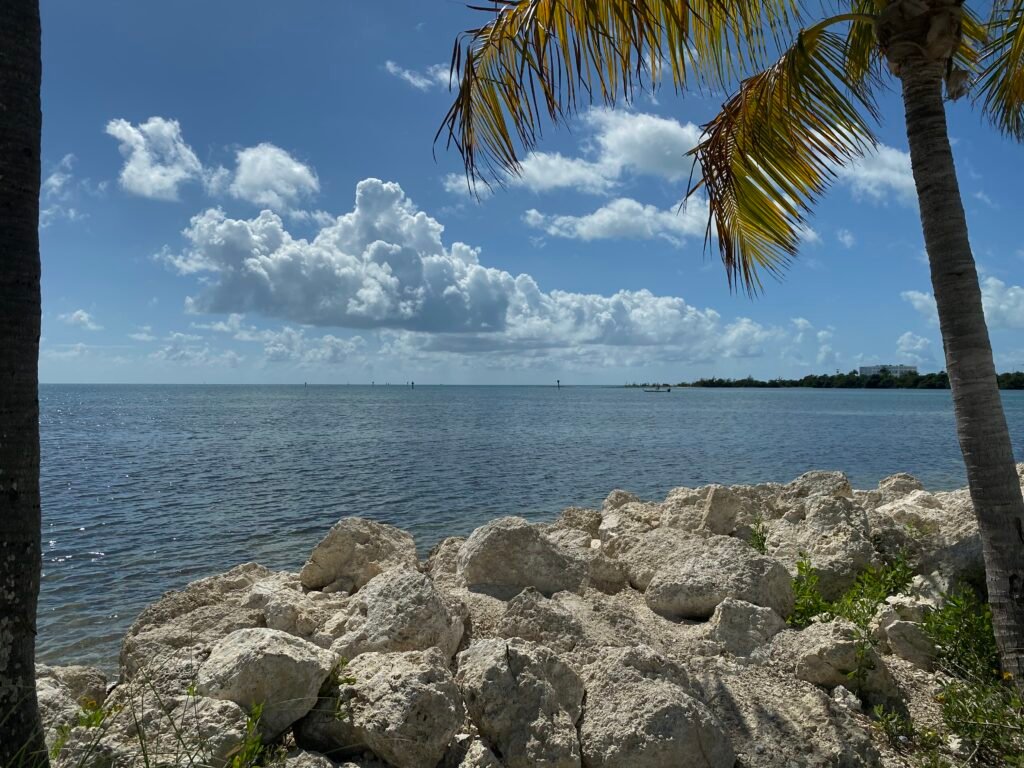
Key West
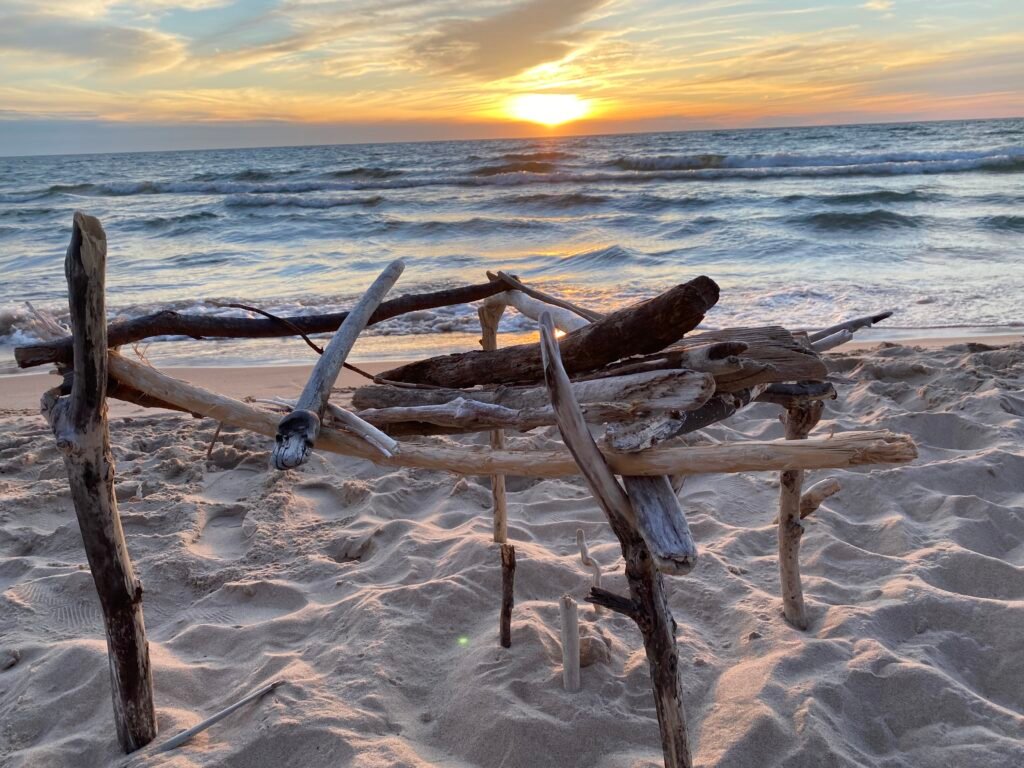
Pentwater