Cuba, located in the Caribbean, is an island rich in history and culture, known for its revolutionary past, colonial architecture, vibrant music, and idyllic beaches. Founded in 1492 by Christopher Columbus, Cuba remained a Spanish colony until the late 19th century, before becoming a republic in 1902. Following the 1959 revolution, under the leadership of Fidel Castro, Cuba established a socialist regime that shaped the country for decades. Cuban culture is a fascinating blend of African, Spanish, and Caribbean influences, evident in its music, dance (particularly salsa and mambo), and syncretic religion. Street festivals, carnivals, and live music are integral to Cuban life, creating a warm and welcoming atmosphere.
Today, Cuba is a popular destination for its authenticity, history, and unique atmosphere, attracting travelers eager to discover its landscapes and culture.
Traditional Gastronomy and Gluten-Free Options
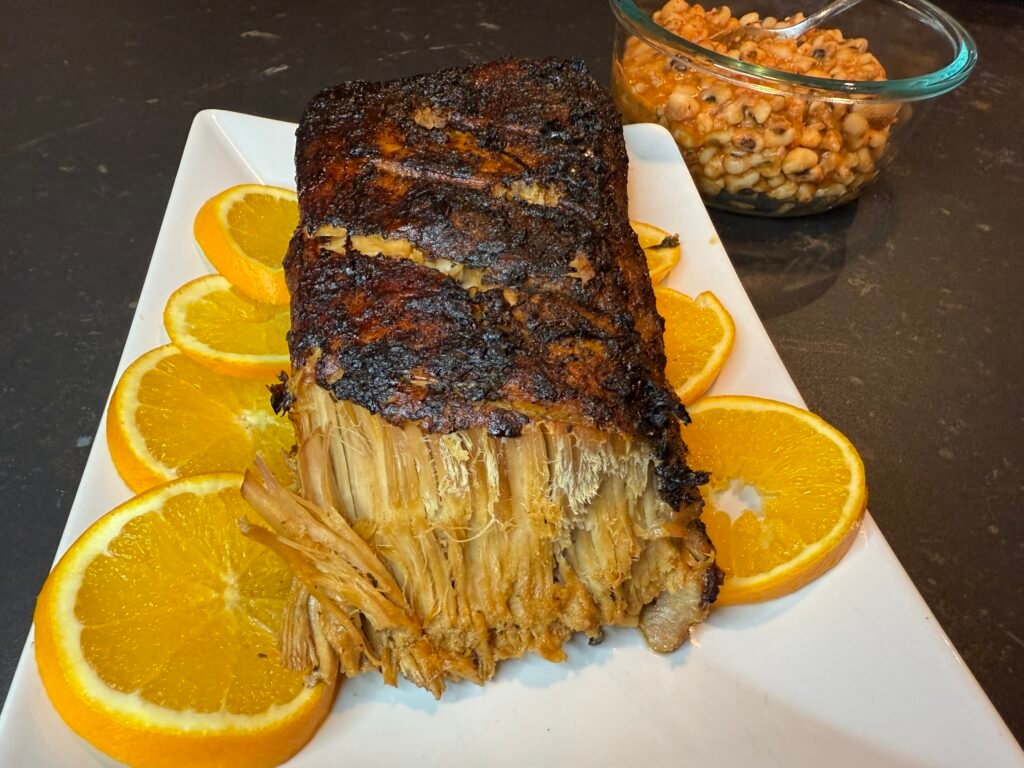
Cuban cuisine is simple yet flavorful, based on local ingredients like rice, black beans, pork, and tropical fruits. It's heavily influenced by Spanish, African, and Caribbean cuisines, resulting in hearty and minimally processed dishes. Fortunately, many Cuban dishes are naturally gluten-free, making it an excellent destination for those following a gluten-free diet.
Here are some traditional Cuban dishes that are gluten-free:
- Ropa Vieja : One of Cuba's most iconic dishes, consisting of shredded beef slow-cooked with tomatoes, peppers, garlic, and onions. It is served with white rice, making it naturally gluten-free.
- Moros y Cristianos : A mixture of rice and black beans, flavored with garlic, onions, and spices. This dish is naturally gluten-free and is a common side dish in Cuban meals.
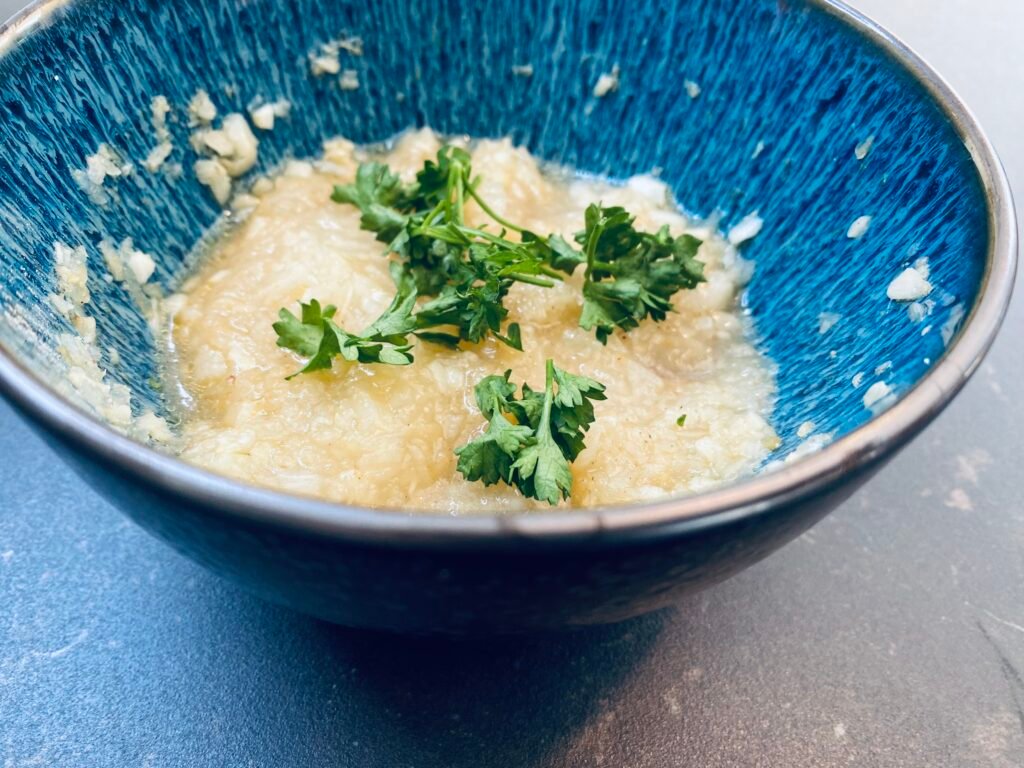
- Yuca con Mojo : Yuca (cassava) is a local tuber that is boiled and served with a sauce made from garlic, oil, and lemon. This dish is naturally gluten-free.
- Picadillo : A dish made with minced meat, tomatoes, olives, and raisins, often served with rice and plantains. This dish can easily be prepared gluten-free.
These dishes illustrate the simplicity and richness of Cuban cuisine, while also being suitable for gluten-free diets.
Must-See Attractions in Cuba
Cuba is an island brimming with historical sites, natural wonders, and charming cities. Here are a few must-sees to explore during your stay:
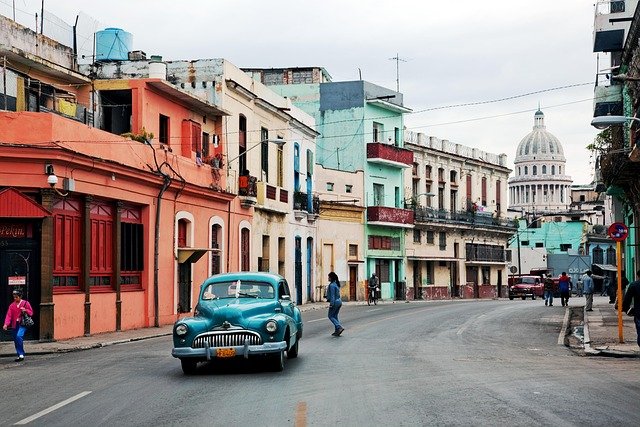
- Havana : Cuba's capital is a city where time seems to have stood still, with its colorful colonial architecture, vintage cars, and lively streets. Don't miss the Malecón , the iconic promenade, and the Capitol Building .
- Trinidad : A colonial city and UNESCO World Heritage Site, famous for its cobblestone streets, pastel houses, and bohemian atmosphere. It's a true historical gem.
- Viñales : Located in a lush valley, this region is known for its tobacco plantations and karst landscapes. Perfect for nature lovers and hikers.
- Varadero : A seaside resort famous for its white sand beaches and crystal-clear waters. Ideal for relaxing and enjoying the Cuban sun.
These places represent the cultural and natural diversity of Cuba, a country where history and nature meet in an enchanting setting.