
South Africa, nicknamed the “Rainbow Nation,” is a multifaceted land where complex history, diverse cultures, and breathtaking landscapes intertwine. Marked by centuries of Dutch and British colonization, followed by a long struggle against apartheid, South Africa is today a symbol of resilience and diversity. From Nelson Mandela to Desmond Tutu , iconic figures in the fight for freedom have shaped the country's history. Today, South Africa is a cultural melting pot, where African, European, and Asian traditions converge.
The country's rich cultural heritage is particularly evident in its cosmopolitan cities like Cape Town , where the colorful Bo-Kaap district tells the story of slaves brought from Malaysia, and Johannesburg , the country's economic and cultural hub. South Africa also celebrates its African roots through festivals, music, and traditional dances that punctuate daily life.
Traditional Gastronomy and Gluten-Free Options
South African cuisine reflects its complex history, combining the local influences of Bantu peoples with those of European settlers and Malay slaves. This blend has given rise to dishes rich in flavors and spices, often featuring meat, fresh vegetables, and exotic ingredients. For those following a gluten-free diet, numerous options naturally suited to this lifestyle are available.
Here are some gluten-free South African dishes to discover:
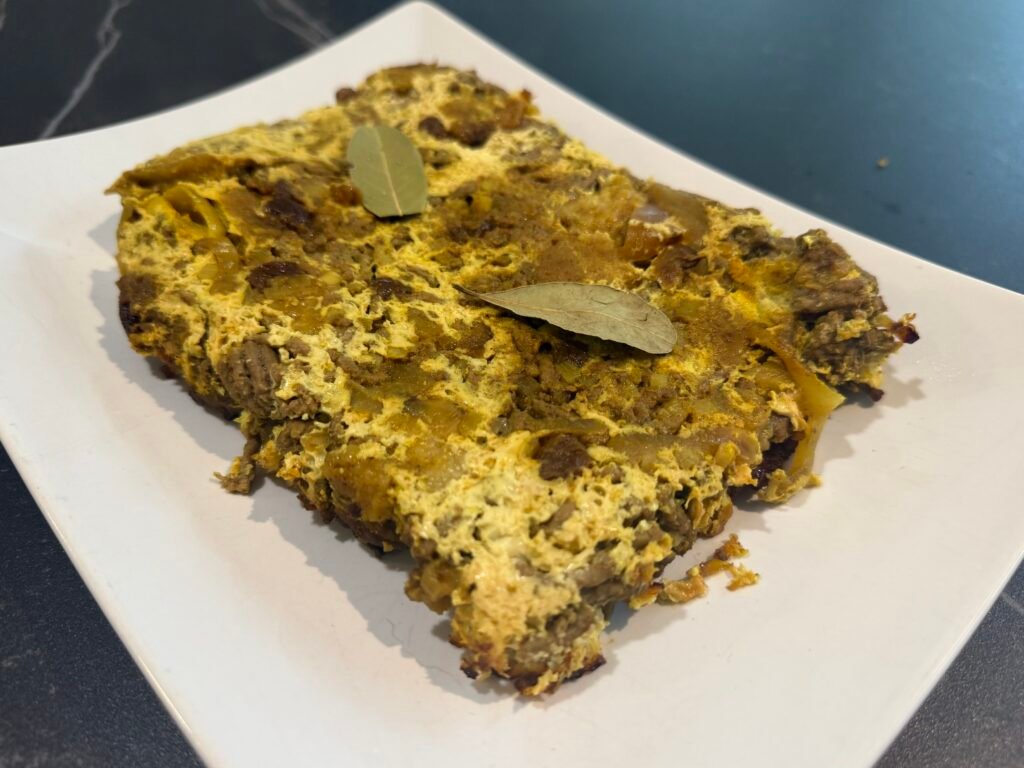
- Bobotie : A dish made with minced meat, usually beef or lamb, cooked with spices, dried fruit, and an egg topping. Served with yellow rice, this dish is naturally gluten-free.
- Biltong : This dried and spiced meat is a very popular snack in South Africa. It is prepared from beef, game, or ostrich and is gluten-free.
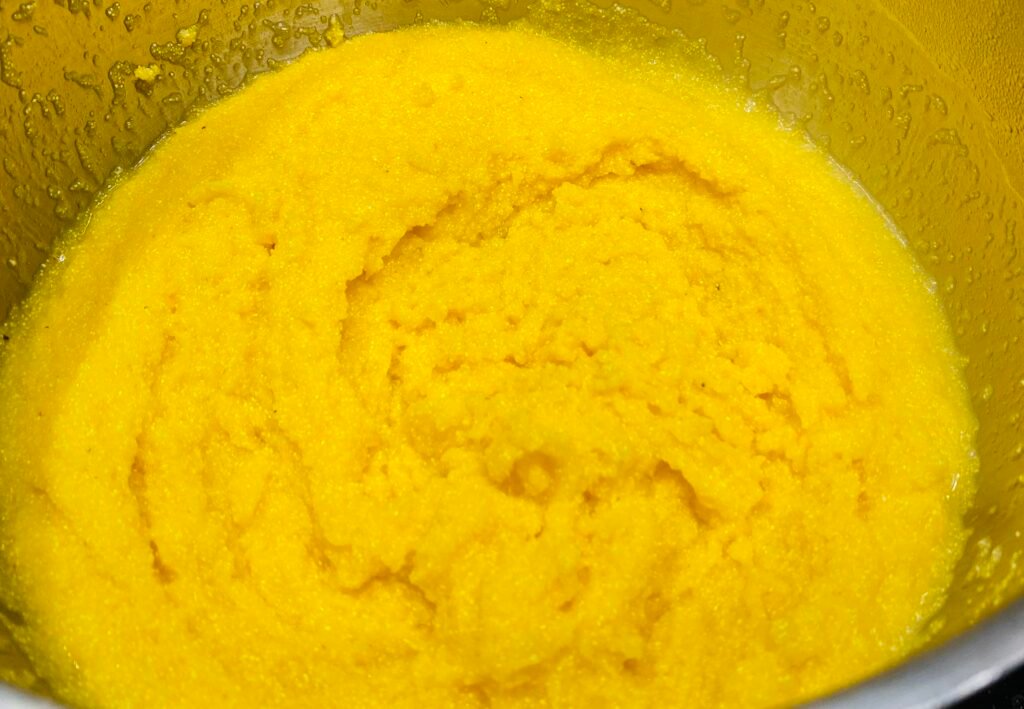
- Pap : A type of polenta made from corn, often served as a side dish with meat in sauce or vegetables. It's a simple, nourishing, and gluten-free dish.
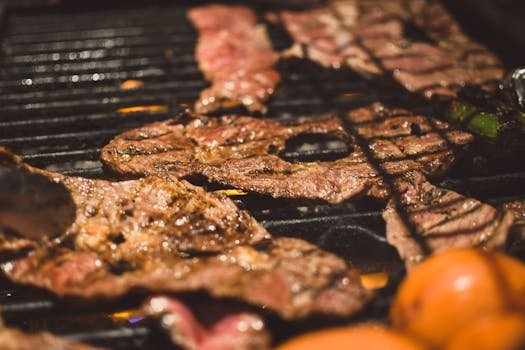
- Braai : The South African barbecue, or braai, is a true institution. Grilled meats, boerewors sausages, and vegetables are cooked over embers, offering a tasty and gluten-free option.
These iconic dishes showcase South African culinary diversity and are perfect for those wishing to explore local gastronomy while avoiding gluten.
Must-See Attractions in South Africa
South Africa is a land of adventure and natural wonders , with landscapes ranging from golden savannas to towering mountains and rugged coastlines. Here are a few must-see sites during your trip:
- Kruger National Park : One of Africa's largest game reserves, where you can observe the "Big Five" (lions, elephants, rhinos, leopards, buffalo) in their natural habitat.
- The Cape of Good Hope : Located at the southwestern tip of the country, this legendary site offers breathtaking views of the Atlantic Ocean and unique wildlife, including penguin colonies.
- Table Mountain : Dominating Cape Town, this flat mountain is one of the Seven Natural Wonders of the World. Take the cable car or hike up to admire the breathtaking views of the city and the ocean.
- The Garden Route : This spectacular coastline stretching from Mossel Bay to Storms River is famous for its beaches, lush forests and charming coastal villages.
South Africa offers a diversity of landscapes and activities for lovers of nature, wildlife and adventure.