Located in the Indian Ocean, Réunion Island is a French overseas department, known for its volcanic landscapes, biodiversity, and rich cultural heritage. The island's history begins with the arrival of the first French settlers in the 17th century, followed by the arrival of workers from Africa, India, and China, creating a unique cultural melting pot. Today, Réunion is an island where Creole traditions blend with French heritage, with Indian and African influences omnipresent in music, dance, and art. Maloya and séga are strong cultural symbols, and religious festivals, such as Diwali (the Hindu festival of lights) and Kabaré , are key moments in Réunion's cultural life.
The people of Réunion share a deep attachment to their island, with a respect for nature and traditions passed down through generations, while also being open to modern influences.
Traditional Gastronomy and Gluten-Free Options
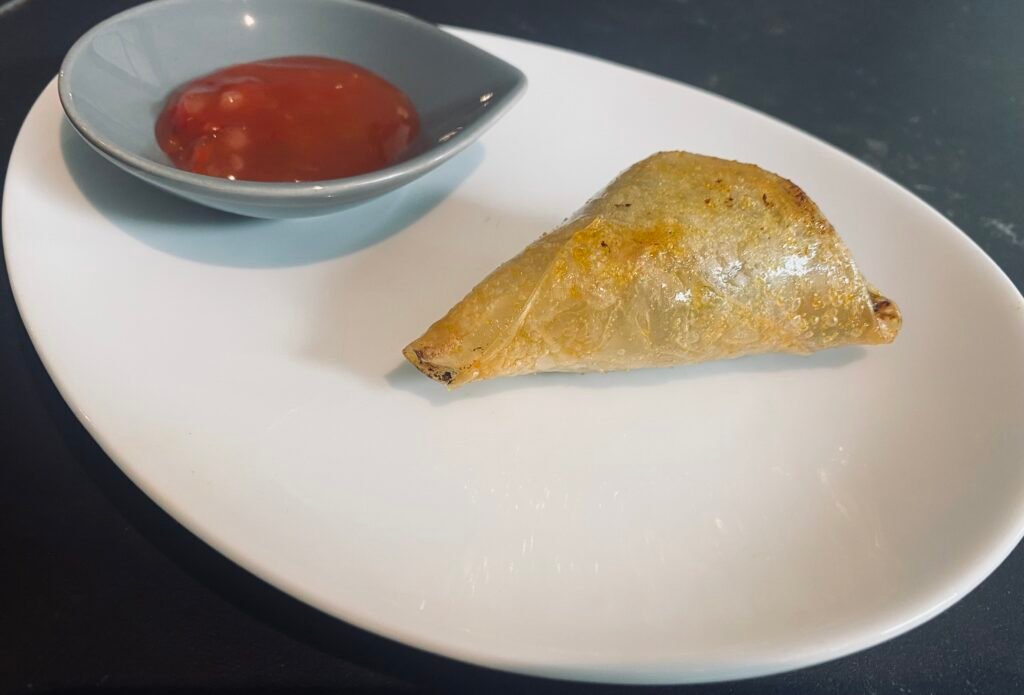
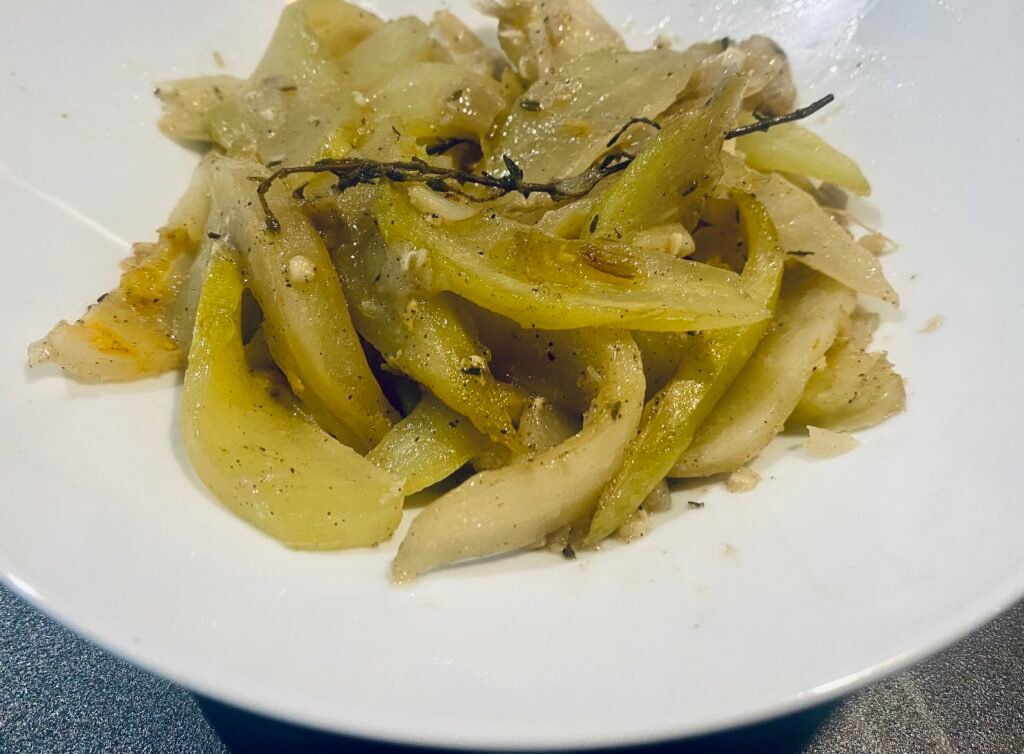
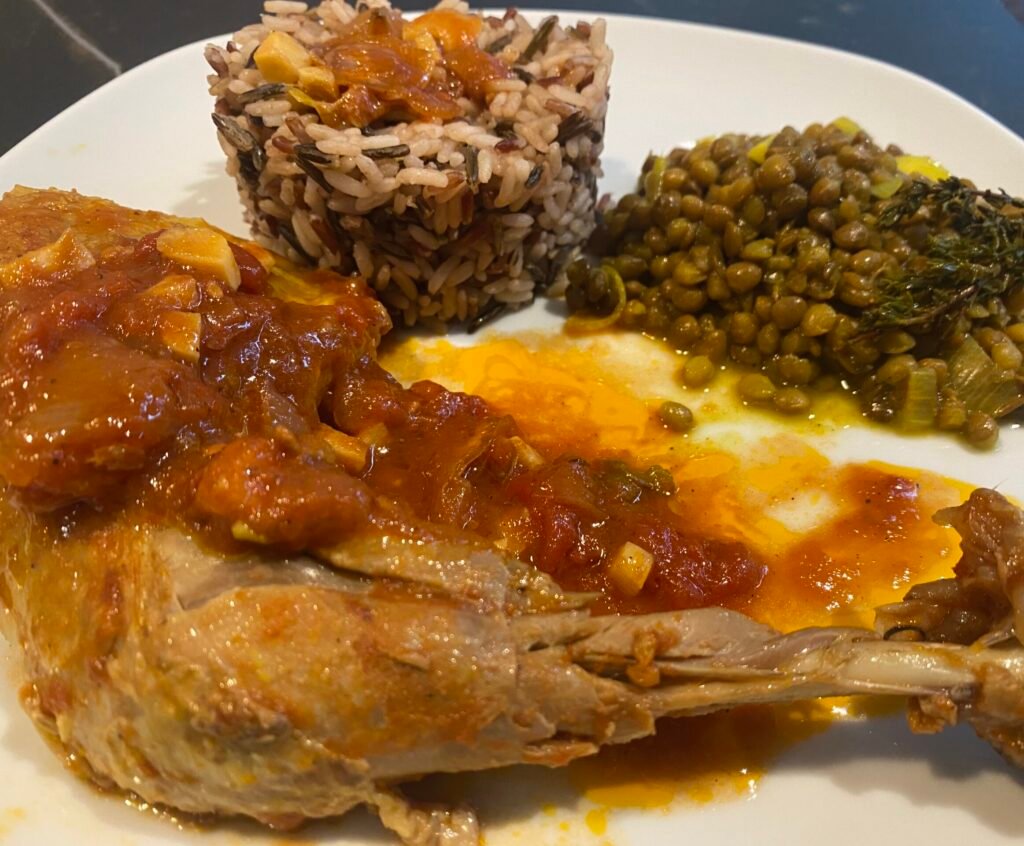
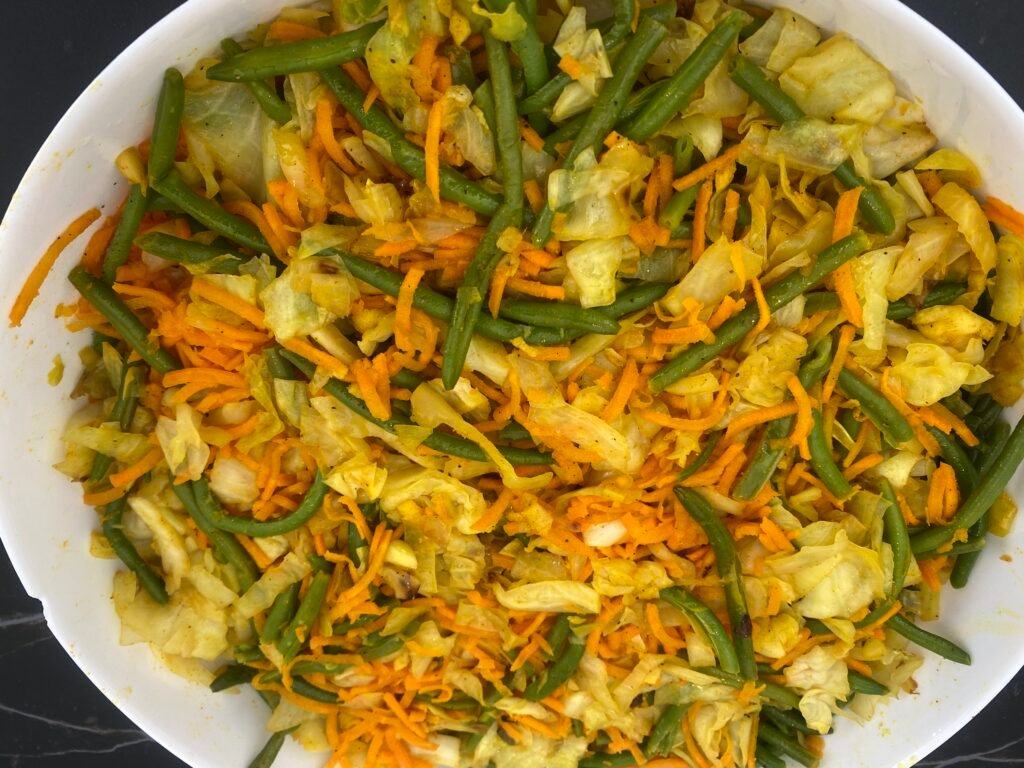
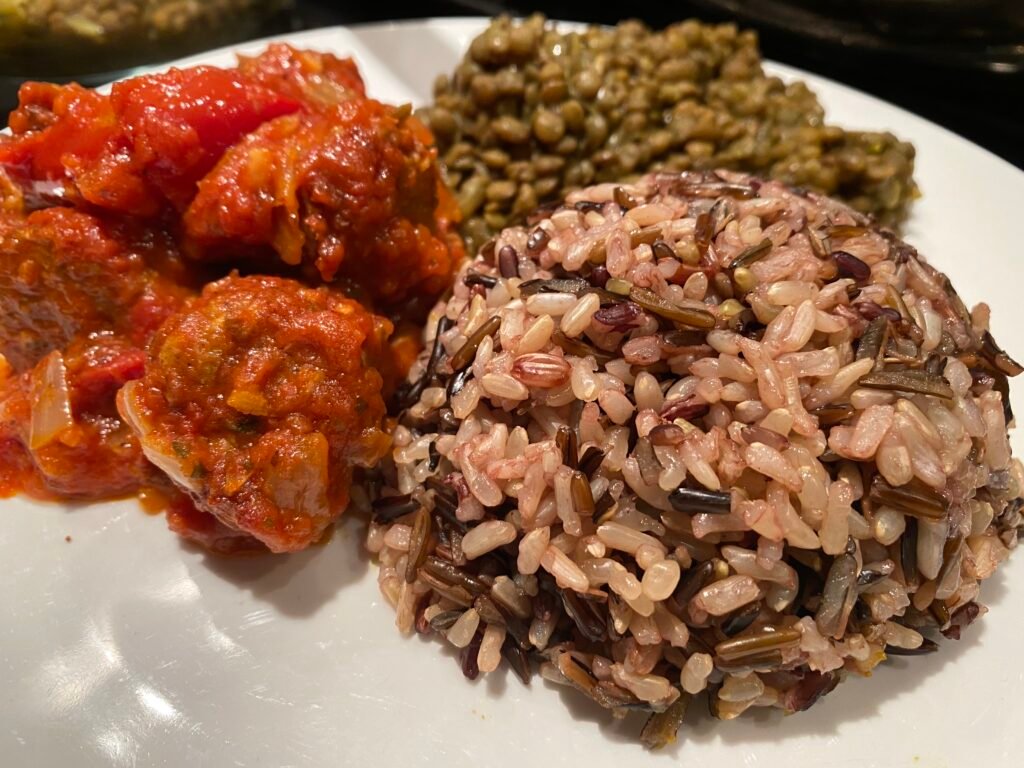
Reunion cuisine is a true reflection of the island's rich and diverse history, with Creole, Indian, French, and Chinese influences. Dishes are often spicy and served with rice, lentils, and local vegetables. For those following a gluten-free diet, Reunion cuisine offers many naturally suitable options.
Here are some gluten-free dishes from Réunion:
- Chicken curry : A spicy chicken stew, simmered with onions, tomatoes, turmeric and ginger, served with rice. This dish, emblematic of Réunion Island, is naturally gluten-free.
- Sausage rougail : Sausages cooked in a spicy tomato sauce with onions, chilies, and spices. Traditionally served with rice and beans, this dish is a gluten-free option to enjoy.
- Massalé cabri : A goat curry spiced with massalé (a mixture of Indian spices), a naturally gluten-free option that is often served at Réunion Island celebrations.
- Chayote gratin : A gratin prepared with chayote, a local vegetable, often cooked with spices and cheese, for a gluten-free version.
These dishes showcase the island's fresh, local ingredients, while also offering naturally gluten-free options for travelers with intolerances.
Must-See Attractions in Reunion Island
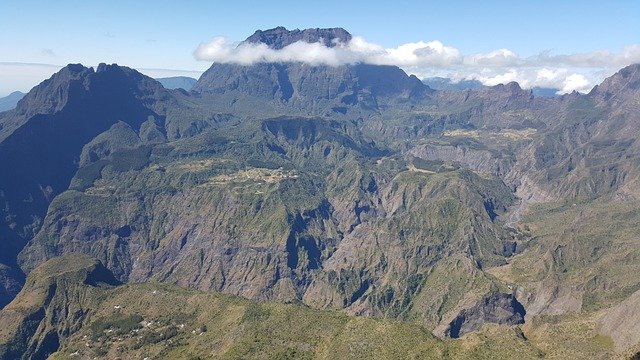
Reunion Island is famous for its diverse landscapes, from white sand beaches to spectacular mountains and volcanoes. Here are some must-see sites to discover during your visit:
- Piton de la Fournaise : This active volcano is one of the island's main attractions. Hikers can follow well-marked trails to observe spectacular eruptions or simply admire the lunar landscapes.
- The Cirque de Mafate : Accessible only on foot or by helicopter, this mountain cirque offers breathtaking landscapes and is a paradise for hiking enthusiasts.
- The Cirque de Cilaos : Known for its thermal springs and verdant landscapes, Cilaos is another mountain cirque that attracts visitors with its hiking trails and charming villages.
- The Hermitage Lagoon : For those who prefer to relax, the beaches of Hermitage offer crystal clear waters and a protected lagoon ideal for swimming and snorkeling.
These sites showcase the natural diversity of Reunion Island, where mountains and volcanoes stand alongside tranquil lagoons.