Mozambique, located on the southeastern coast of Africa, is a country rich in history, marked by its Portuguese colonial past and African influences. Since its independence in 1975, Mozambique has evolved into a cultural crossroads where Portuguese blends with numerous local Bantu languages. The country is also known for its musical heritage, particularly marrabenta , a traditional music style, as well as its festive dances. From Maputo, the vibrant capital, to the coastal villages, Mozambique reveals a dynamic culture and resilience after decades of struggles for independence and peace.
Mozambican society remains deeply connected to its traditions, with rituals, ceremonies, and festivals that celebrate life, nature, and ancestors. It is a country where spirituality and community play an important role in daily life, and where visitors are welcomed warmly and sincerely.
Traditional Gastronomy and Gluten-Free Options
Mozambican cuisine is a unique blend of local traditions and Portuguese influences, featuring a strong emphasis on seafood, coconut, spices, and vegetables. For travelers following a gluten-free diet, Mozambique offers numerous naturally suitable options.
Here are some typical gluten-free dishes:
- Matapa : A stew made with cassava leaves, coconut milk, garlic, and sometimes seafood, such as shrimp. This dish is naturally gluten-free and full of flavor.
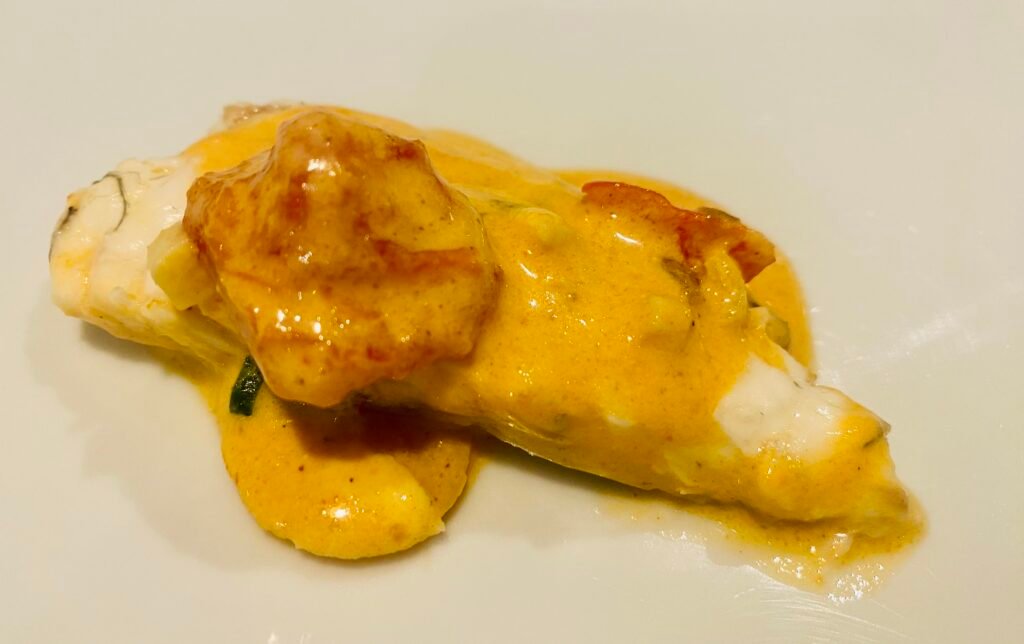
- Shrimp curry : A shrimp curry prepared with coconut milk, curry powder, and spices. This dish, of Portuguese origin, is often served with rice, making it ideal for a gluten-free diet.
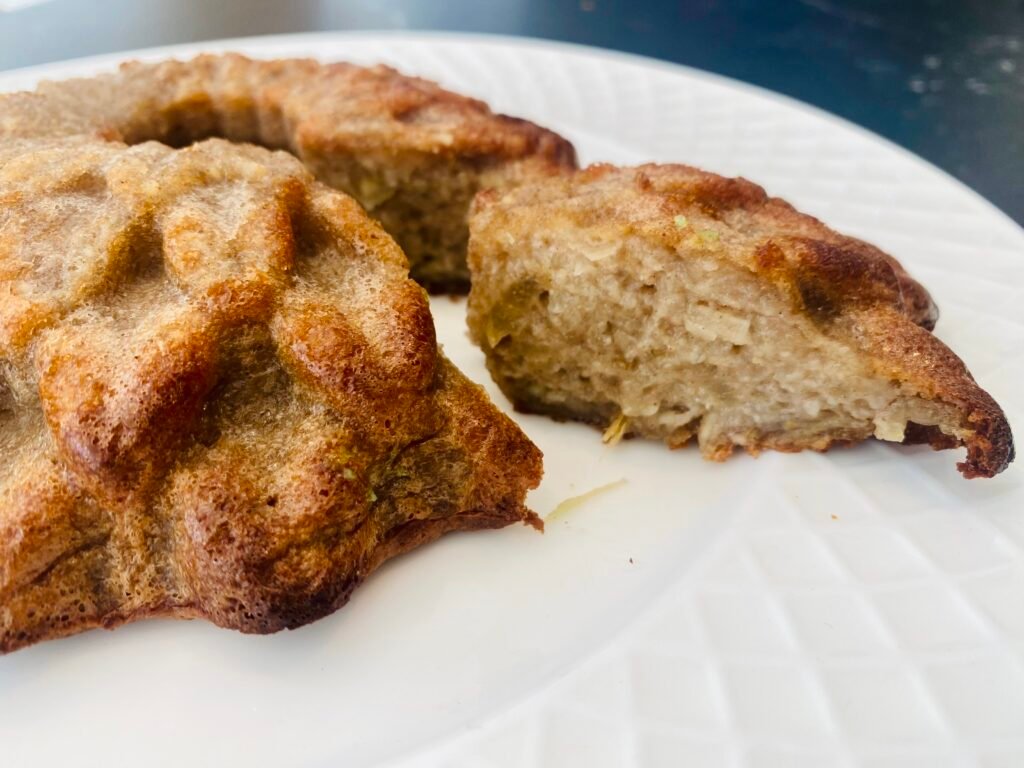
- Xima : A porridge made from cornmeal, similar to South African pap, often served as a side dish with saucy meals. Xima is a simple, gluten-free staple food.
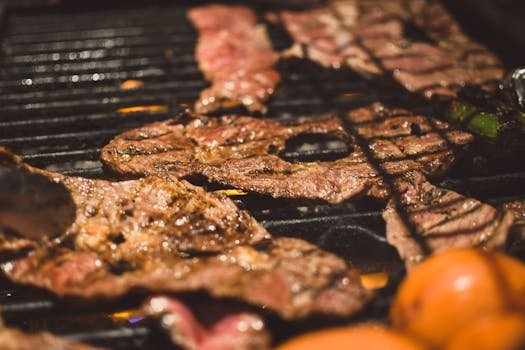
- Seafood grilling : With its long coastline on the Indian Ocean, Mozambique is famous for its fresh fish and seafood, grilled with local spices and served with vegetables or rice.
These dishes reflect the diversity and richness of Mozambican flavors while being suitable for a gluten-free lifestyle.
Must-See Attractions in Mozambique
Mozambique is a dream destination for lovers of the sea, nature, and culture. Here are some must-see sites to discover during your trip:
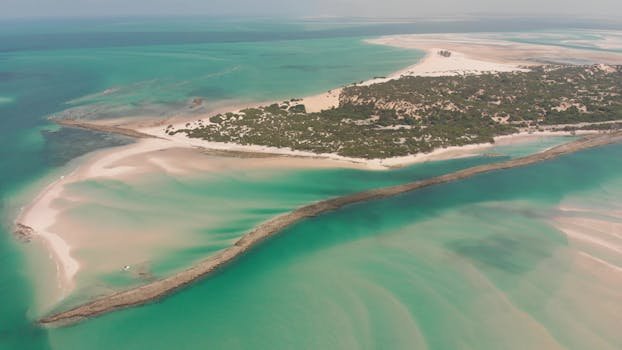
- The Bazaruto Archipelago : This group of idyllic islands is renowned for its white sand beaches, turquoise waters, and exceptional marine life, including dugongs. A perfect place for scuba diving and snorkeling.
- Mozambique Island : A UNESCO World Heritage Site, this historic island, which was once the capital of colonial Mozambique, is famous for its colonial architecture, forts, and ancient mosques.
- Gorongosa National Park : Located in the center of the country, this park is one of Africa's most important for wildlife conservation. You'll find elephants, lions, buffalo, and a variety of birds amidst magnificent landscapes.
- Tofo Beach : A seaside village popular with travelers and surfers, Tofo is known for its beautiful beaches, diving spots with manta rays, and relaxed atmosphere.
Whether exploring idyllic beaches or encountering African wildlife, Mozambique offers a breathtaking landscapes These diverse landscapes converge, offering travelers a unique journey between desert, sea, and mountains .