
Mali, a West African country traversed by the Niger River, is a land rich in history and culture. Once the center of powerful empires such as the Mali Empire and the Songhai Empire, it is known for its historic cities like Timbuktu , a center of Islamic learning, and Djenné , with its famous terracotta mosque. Mali also played a central role in the trans-Saharan trade, linking West Africa to North Africa and the Middle East. Today, Mali is renowned for its music festivals, such as the Festival in the Desert , and its artistic traditions, including bogolan textiles and wood carving.
Malian culture is shaped by the diversity of its peoples, including the Bambara, the Dogon, and the Tuareg, each with their own languages, customs, and cultural practices, often centered around music and community ceremonies.
Traditional Gastronomy and Gluten-Free Options
Malian cuisine relies on simple yet nourishing ingredients, with an emphasis on grains such as millet, rice, and sorghum. These naturally gluten-free grains are staples in many Malian dishes, allowing those following a gluten-free diet to enjoy local cuisine without worry.
Here are some traditional gluten-free dishes:
- Tô : A thick paste made from millet or sorghum flour, often served with sauces such as okra sauce or peanut sauce .
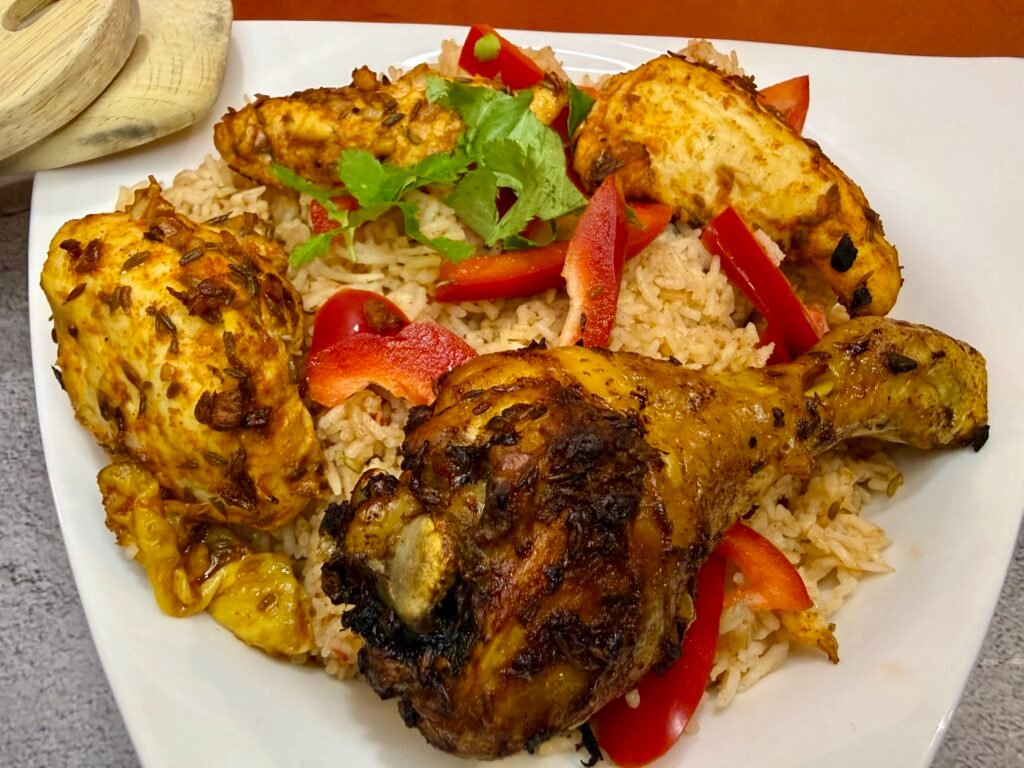
- Fatty rice : A rice dish cooked with vegetables, tomatoes and sometimes meat, often served during parties and celebrations.
- Fried plantains : Fried plantain bananas are often served as a side dish or snack, and are naturally gluten-free.
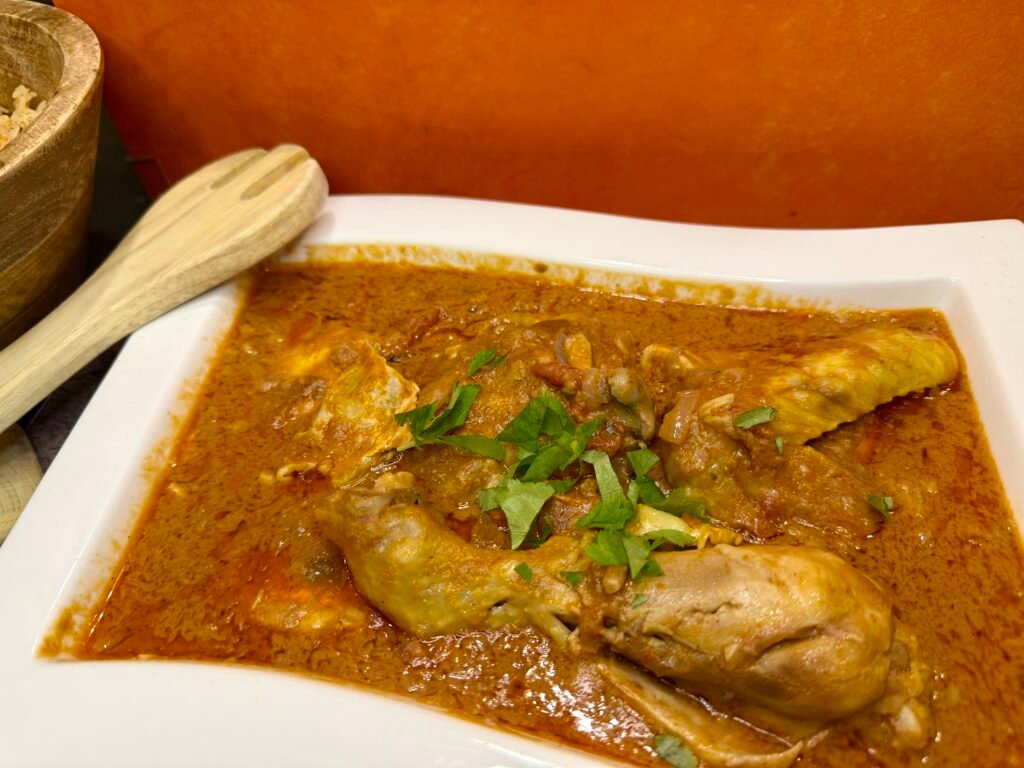
- Chicken yassa : Originating in Senegal but popular in Mali, this dish made with chicken marinated in lemon, onion and spices is naturally gluten-free when served with rice.
These dishes offer an authentic culinary experience while being suitable for a gluten-free diet.
Must-See Places to Visit in Mali
Mali is a country of spectacular landscapes and cultural treasures . Here are some must-see sites to discover during your trip:
- Timbuktu : An ancient Islamic intellectual center and UNESCO World Heritage Site, Timbuktu is famous for its ancient mosques and libraries filled with medieval manuscripts.
- The Great Mosque of Djenné : Built entirely of earth, this mosque is a masterpiece of Sudanese-Sahelian architecture. It is one of the most iconic structures in Africa.
- The Cliffs of Bandiagara : Located in the Dogon region, these impressive cliffs are a UNESCO World Heritage Site. The region is famous for its hilltop villages and unique animist traditions.
- Bamako : The capital of Mali, on the banks of the Niger River, is a vibrant cultural center where you can discover bustling markets, museums and a thriving music scene.
These sites showcase the rich historical and cultural of Mali, where the past and present meet.