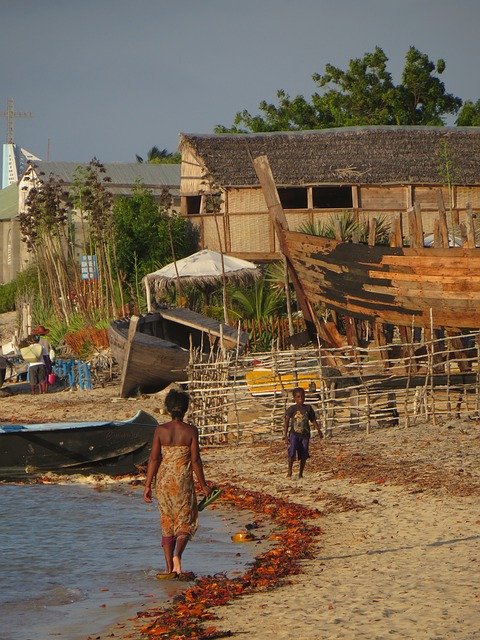
Madagascar, the world's fourth-largest island, located off the east coast of Africa, is a land rich in biodiversity and culture. Madagascar's history has been shaped by successive waves of migration from Southeast Asia, Africa, and later Europe, resulting in a unique culture that blends African and Asian influences. The Kingdom of Madagascar was unified under the Merina dynasty in the 18th century before becoming a French colony in 1896 and gaining independence in 1960. Today, Madagascar is known for its ethnic diversity, oral traditions, and hira gasy famadihana funeral rites .
Malagasy culture is also visible in its crafts, textiles, and sculptures, as well as in its traditional festivals celebrating harvests, music, and ancestral customs.
Traditional Gastronomy and Gluten-Free Options
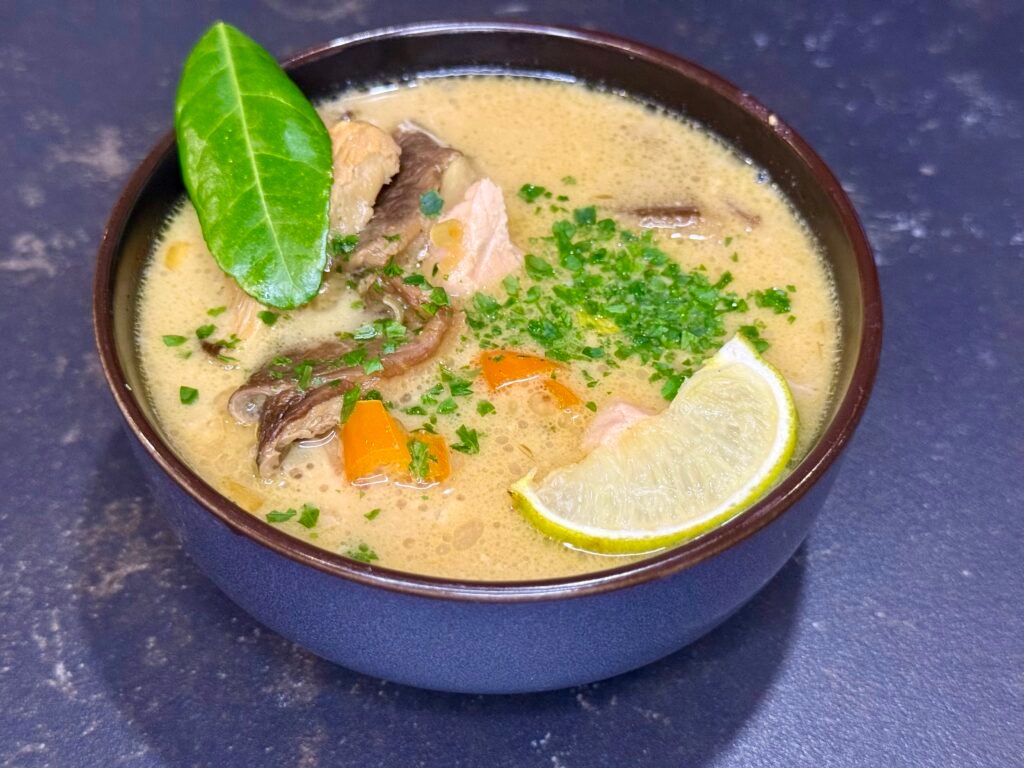
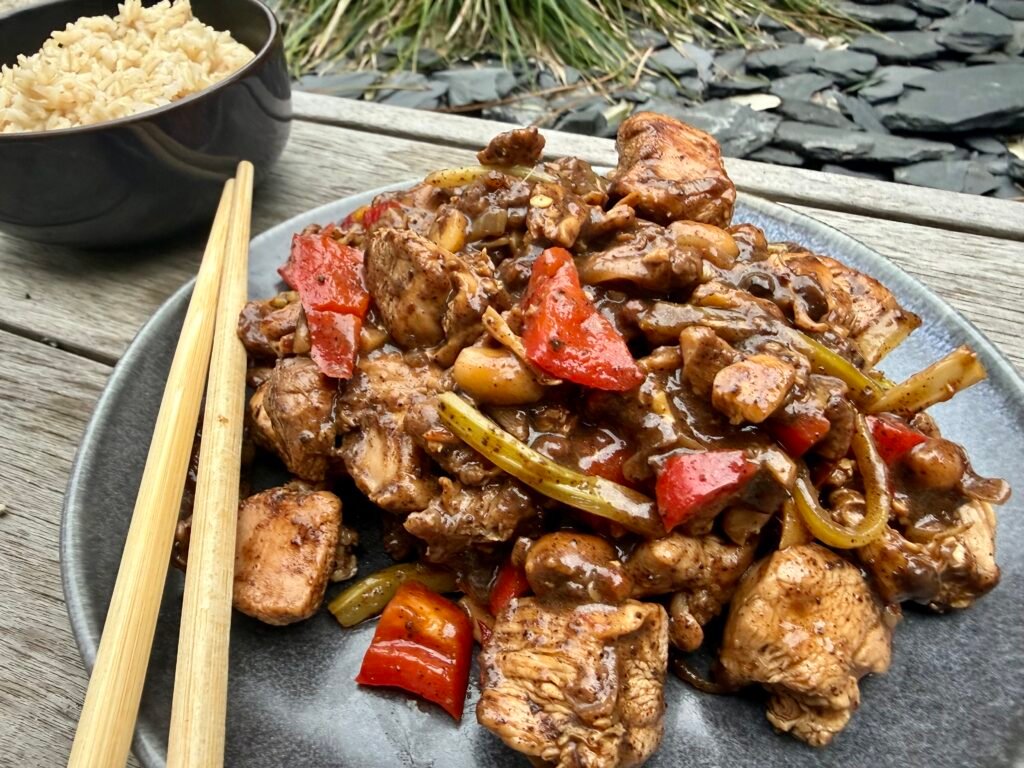
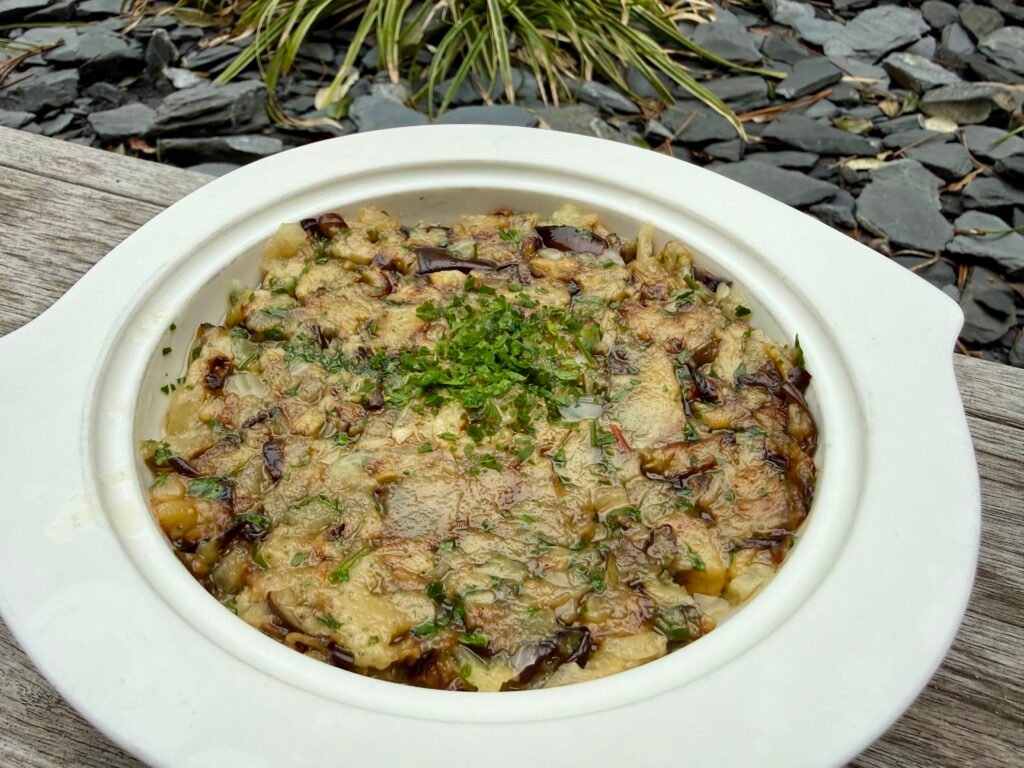
Malagasy cuisine reflects the diverse cultural influences that have shaped the island, with dishes based on rice, meat, vegetables, and seafood. One of the central elements of the cuisine is vary , or rice, which accompanies almost every meal. For those following a gluten-free diet, Malagasy cuisine offers a multitude of naturally suitable options, thanks to the use of fresh, local, and gluten-free products.
Here are some traditional Malagasy dishes that are gluten-free:
- Romazava : A beef or chicken stew simmered with greens, tomatoes, and spices. This dish is traditionally served with rice, but can be enjoyed on its own as a gluten-free option.
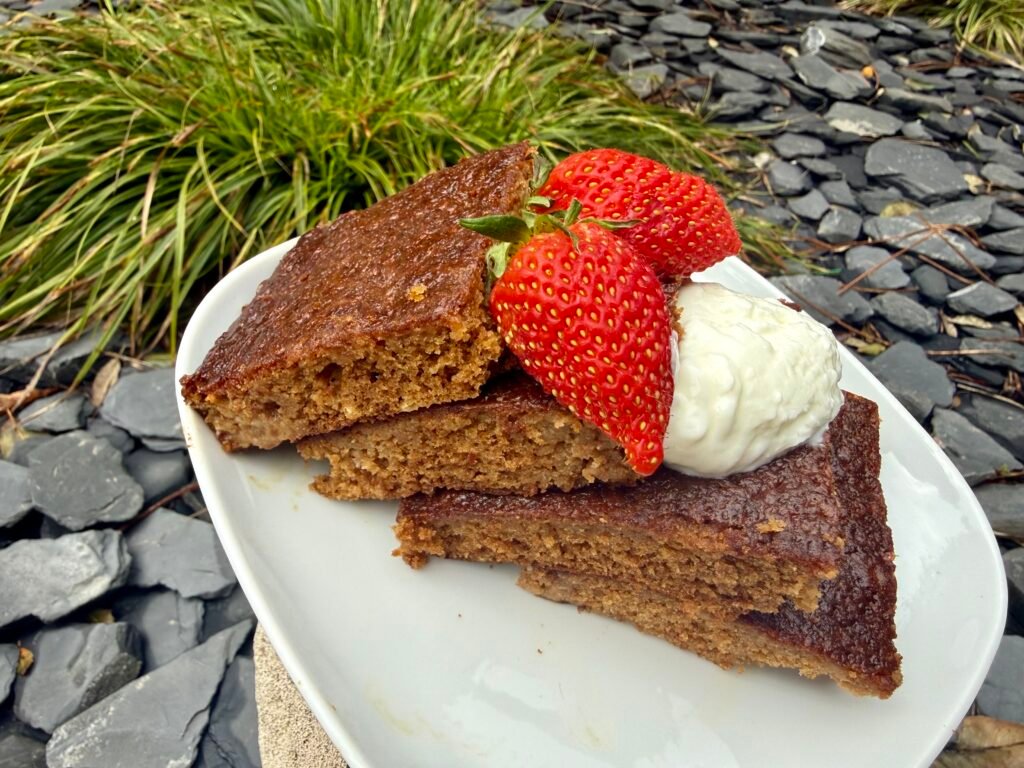
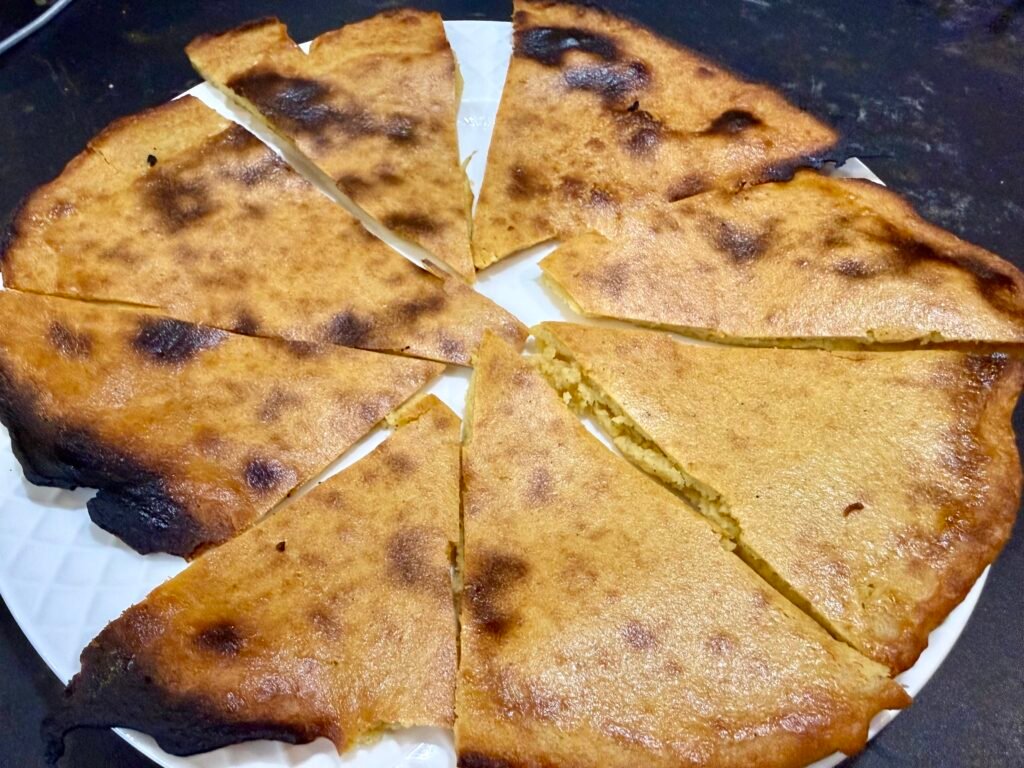
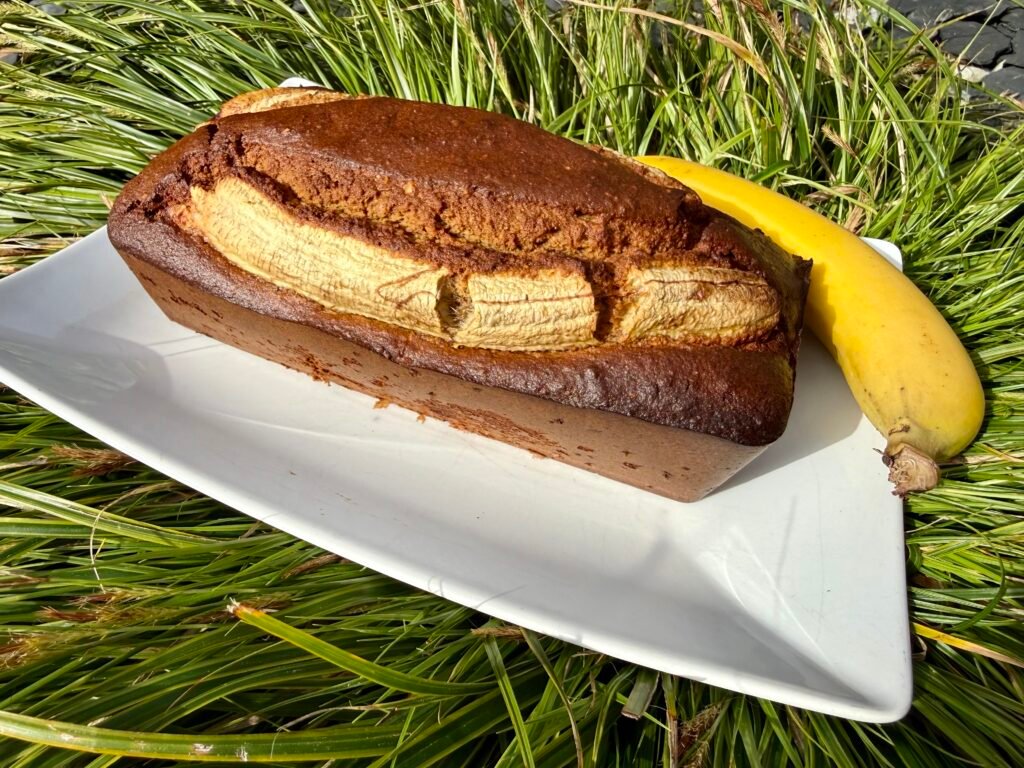
- Koba : A dessert made with rice flour, bananas, and peanuts, cooked in banana leaves. Naturally gluten-free, this dessert is very popular in Madagascar.
- Ravitoto : A dish made from pounded cassava leaves, often cooked with pork, spices, and coconut milk. This dish is usually served with rice.
- Grilled fish Malagasy style : Madagascar being an island, fresh fish are often grilled and accompanied by vegetables or rice.
These dishes showcase local ingredients and are perfect for travelers wishing to discover Malagasy cuisine while following a gluten-free diet.
Must-See Places to Visit in Madagascar
Madagascar is a natural sanctuary with unique flora and fauna, and a vibrant culture to discover. Here are some must-see places to explore during your visit:
- The Avenue of the Baobabs : This spectacular site near Morondava is an avenue lined with centuries-old baobab trees, an iconic symbol of Madagascar. Sunset over these majestic trees is an unforgettable experience.
- Isalo National Park : This park offers diverse landscapes of canyons, rocky plateaus, and natural pools. Perfect for hiking, it's an ideal place for nature lovers.
- Nosy Be : This idyllic island north of Madagascar is renowned for its white sand beaches, turquoise waters, and coral reefs. Nosy Be is also an excellent spot for scuba diving and snorkeling.
- Ranomafana National Park : This tropical park is home to endemic species such as lemurs and unique flora. Its waterfalls and rainforests make it a dream destination for biodiversity enthusiasts.
These sites offer exceptional biodiversity and breathtaking landscapes , making Madagascar an unmissable destination.