Côte d'Ivoire, located in West Africa, is a country rich in cultural and historical diversity. Its economic capital, Abidjan , is a dynamic metropolis, while Yamoussoukro , the political capital, is distinguished by its monumental basilica. The country experienced French colonization, marked by independence in 1960, followed by several periods of economic growth and political challenges. Today, Côte d'Ivoire is recognized for its relative stability and its leading role in the sub-region.
Ivorians, from more than 60 ethnic groups, including the Akan, the Kru, and the Mandé, maintain traditions and festivals that celebrate music, dance, and community rituals. Festivals like the Popo Carnival in Bonoua or the Festival of Masks in Man are special occasions to discover the cultural soul of the country.
Traditional Gastronomy and Gluten-Free Options
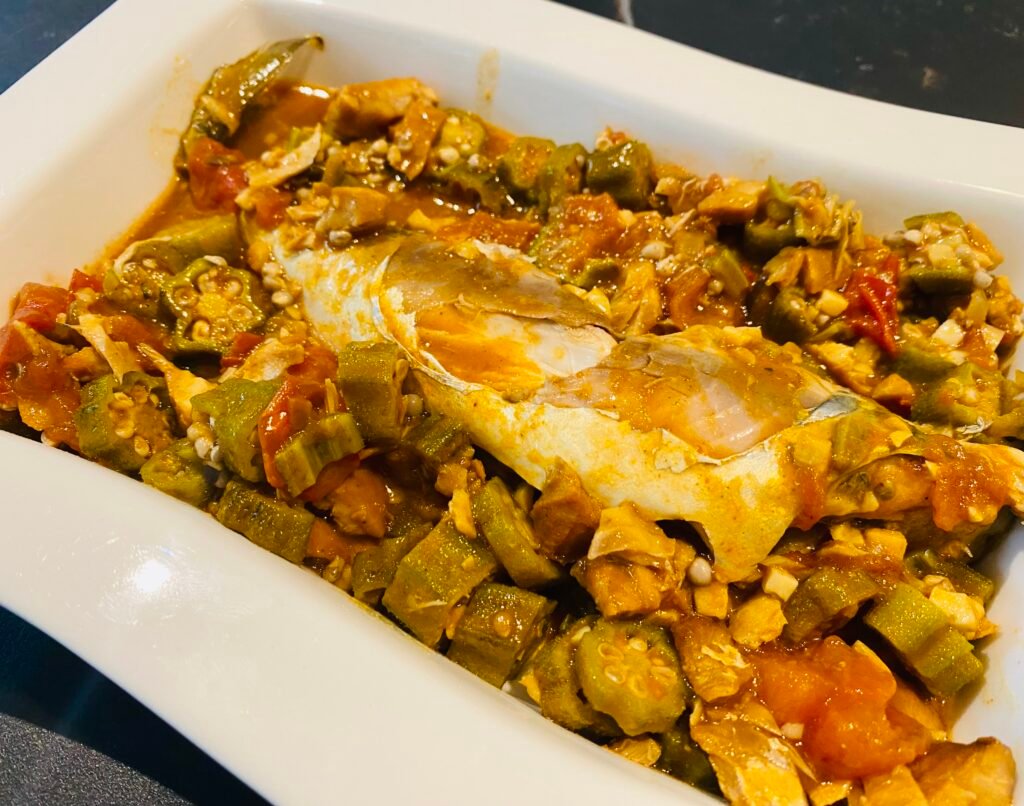
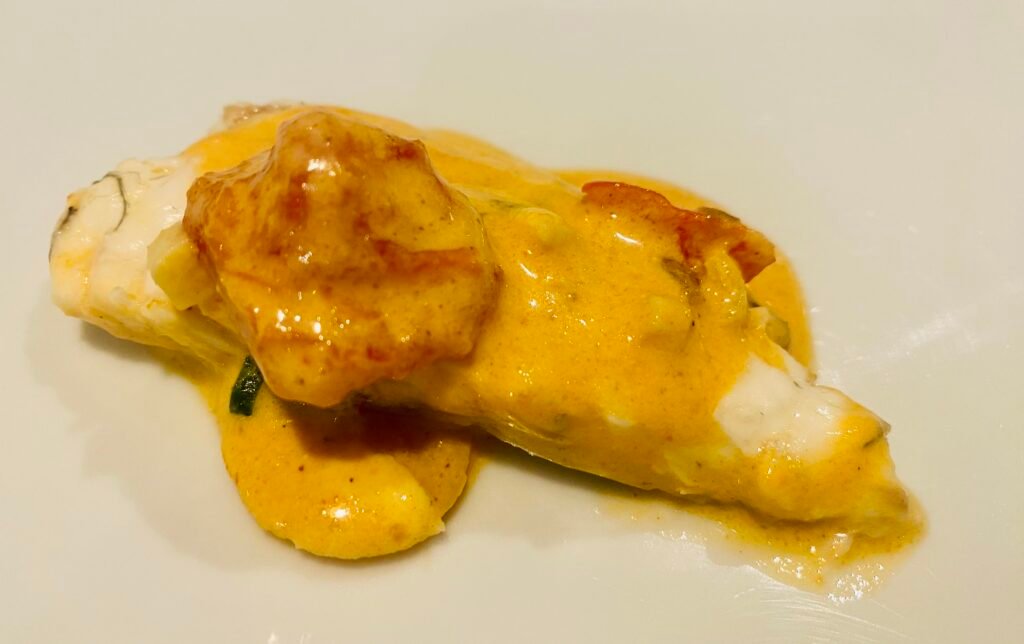
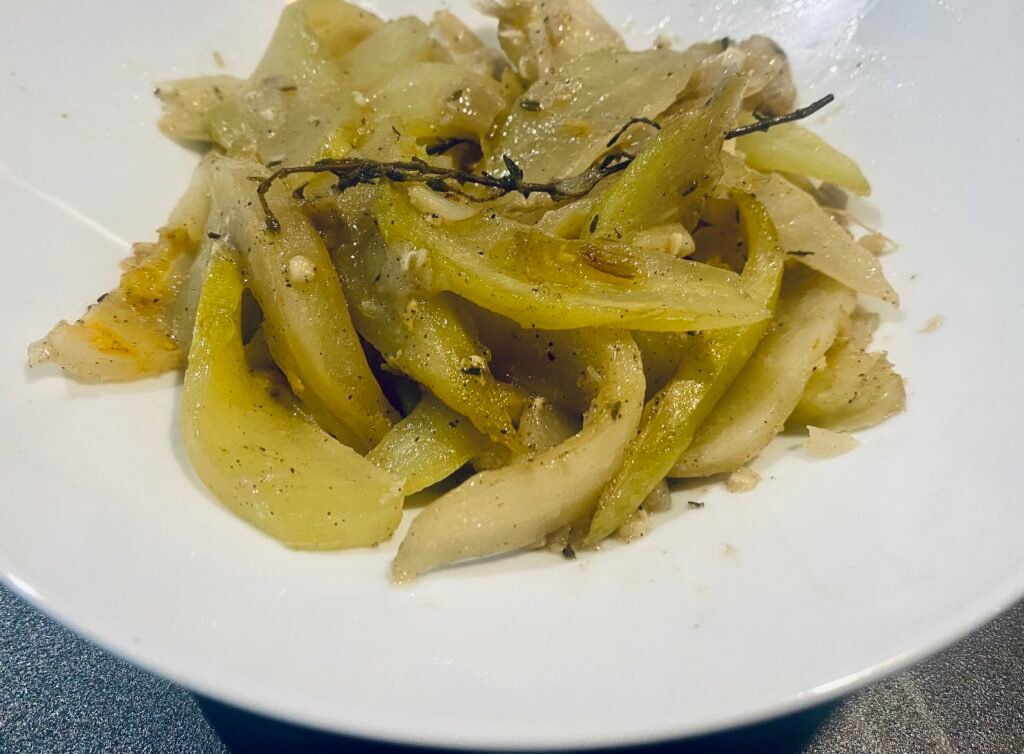
Ivorian cuisine is flavorful and varied, drawing on the country's agricultural wealth, with a base of cassava, plantains, yams, and rice. For those following a gluten-free diet, Côte d'Ivoire offers an abundance of naturally suitable dishes, as many local preparations do not contain wheat flour.
Some typical gluten-free dishes include:
- Attiéké : A side dish made from fermented cassava, similar to couscous, which pairs perfectly with grilled fish or spicy sauces.
- Banana Foutou : A puree made from plantain banana and yam, served with a peanut or seed sauce, and naturally gluten-free.
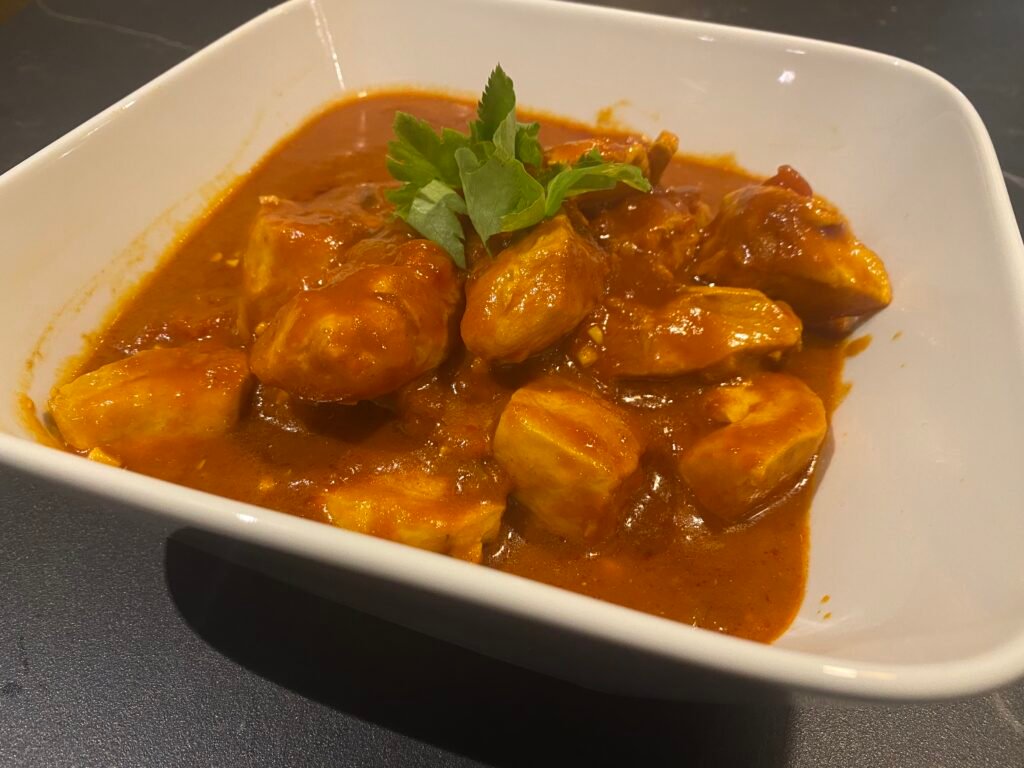
- Chicken Kedjenou : This spicy chicken stew is simmered with vegetables and herbs. Traditionally, it is served with attiéké or foutou.
- Palm nut sauce : A rich sauce made from palm nuts, often served with fish or meat and side dishes such as attiéké or foutou.
These dishes represent the essence of Ivorian cuisine, offering a range of flavors while being naturally gluten-free.
Must-See Places to Visit in Ivory Coast
Ivory Coast is full of and cultural sites to explore. Here are a few must-see places during your trip:
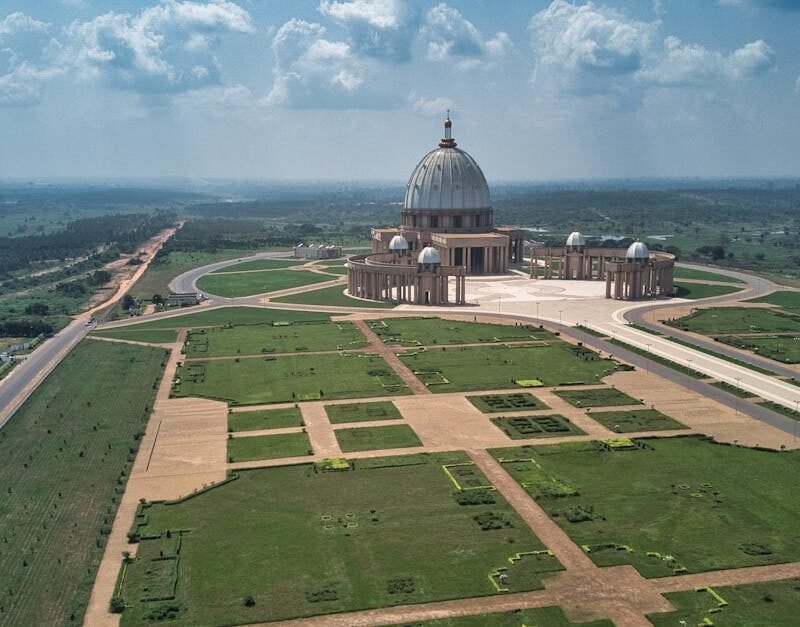
- The Basilica of Our Lady of Peace in Yamoussoukro : Inspired by St. Peter's Basilica in Rome, this basilica is one of the largest Christian churches in the world and an iconic architectural symbol.
- Taï National Park : A UNESCO World Heritage Site, this tropical park is one of the last remaining pockets of primary rainforest in West Africa. It is home to rare species such as chimpanzees and forest elephants.
- The Man Waterfalls : Located in the heart of the western mountains, the Man Waterfalls offer a refreshing break in a lush green setting. The region is also renowned for its traditional masked dances.
- The Grand Market of Treichville : Located in Abidjan, this vibrant market is an ideal place to immerse yourself in the daily life of Ivorians, discover local spices, textiles and handicrafts.
These places offer a glimpse into the and cultural diversity of Ivory Coast, between modernity and ancestral traditions.