Gabon, located on the west coast of Central Africa, is a true natural gem, renowned for its vast rainforests, pristine beaches, and exceptional wildlife. Home to numerous national parks, this country is also a land of rich cultural and culinary heritage. In this article, we invite you to discover the history and culture of Gabon, as well as its traditional cuisine, including options suitable for gluten-free diets.
History and Culture of Gabon
Gabon boasts a rich history, marked by the traditions of its ethnic groups such as the Fang, the Myènè, and the Punu, who coexist in this country where more than 40 different languages are spoken. Gabonese culture is deeply rooted in its rites, dances, and arts, notably through the famous Bwiti masquerade , a spiritual practice that combines elements of nature and healing.
Colonized by France in the 19th century, Gabon gained its independence in 1960. Since then, it has been recognized for its political stability in Central Africa, while maintaining a culture deeply rooted in its African heritage. Cities like Libreville , the capital, offer a glimpse into the French colonial legacy, while also hosting colorful markets and festivals that reflect the country's vibrant spirit.
Traditional Gastronomy and Gluten-Free Options
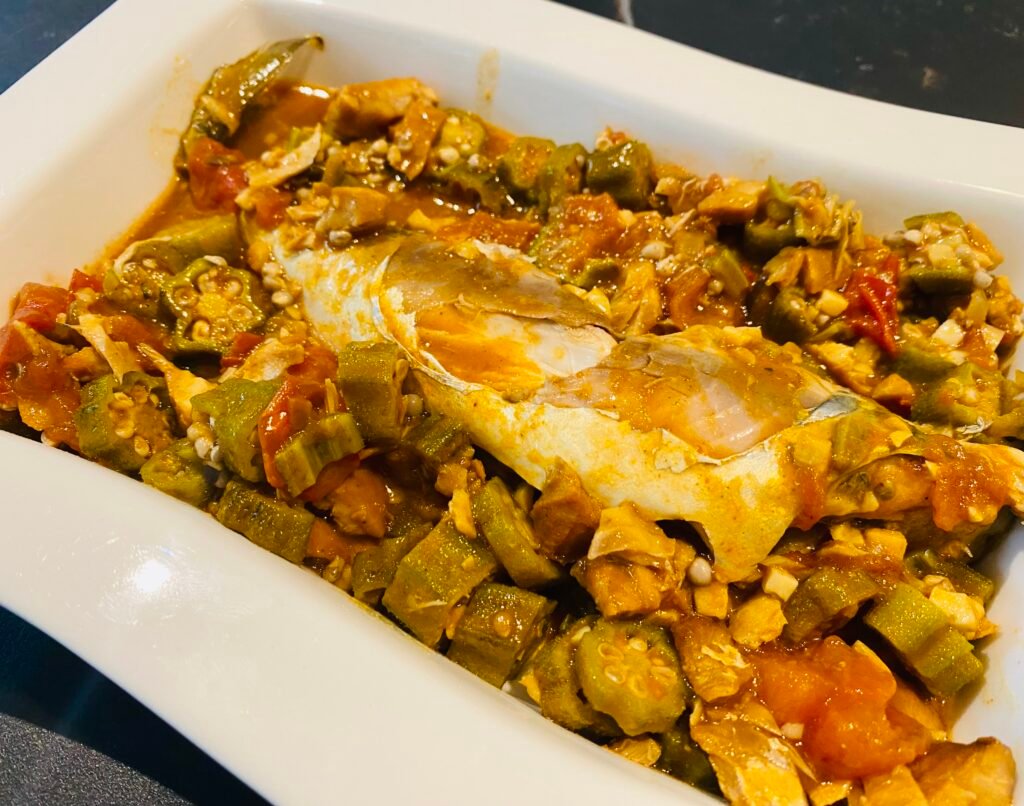
Gabonese cuisine is diverse, influenced by its many peoples and its natural environment. Thanks to the abundance of its sea, rivers, and forests, many Gabonese dishes are naturally gluten-free. Cassava, plantains, seafood, and fish are staples in this flavorful and authentic cuisine.
Some gluten-free dishes to discover:
- Nyembwe Chicken : This national dish is chicken simmered in a palm nut-based sauce, often accompanied by cassava or plantains. It is a flavorful dish and naturally gluten-free.
- Grilled fish : Gabon being a coastal country, fresh fish is often prepared grilled, served with vegetables or boiled cassava.
- Cassava broth : This nourishing broth is made with cassava leaves, meat or fish, and seasoned with local spices. An ideal option for those avoiding gluten.
- Fried plantain banana : Very popular as a side dish, plantain banana is often cooked or fried to accompany main dishes.
These dishes showcase simple, local ingredients, while also being suitable for a gluten-free diet.
Must-See Attractions in Gabon
Gabon is a dream destination for nature lovers . Approximately 85% of the country is covered in forests, making it a true sanctuary for wildlife. Here are a few must-sees for any visitor:
- Lopé National Park : This UNESCO World Heritage Site offers diverse landscapes, blending forests and savannas. It is home to unique wildlife, including elephants, gorillas, and buffalo.
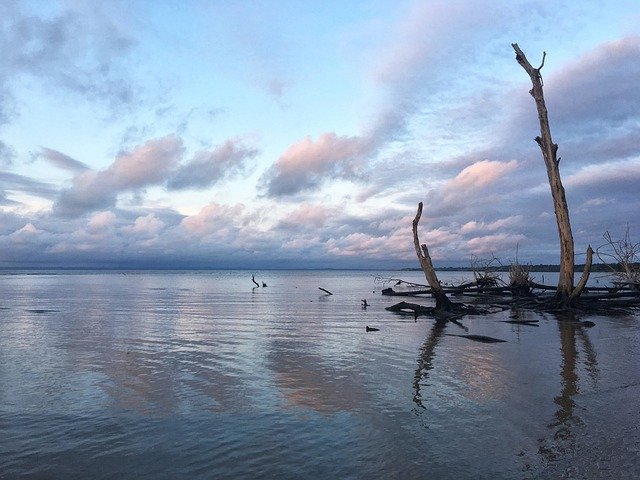
- Akanda National Park : Located near Libreville, this park is renowned for its mangroves and pristine beaches. It is an ideal place for observing migratory birds.
- Lambaréné : Known for the hospital founded by Albert Schweitzer, this city is located on the banks of the Ogooué River and offers an immersion into the daily life of Gabonese people.
- Cape Lopez : This peninsula off the coast of Port-Gentil is famous for its wild beaches and marine biodiversity.
Between tropical forests, deserted beaches and majestic rivers, Gabon offers exceptional natural landscapes , perfect for adventurers and nature lovers.