Angola, located on the southwest coast of Africa, is a country rich in history and traditions. Before the arrival of Portuguese colonists in the 15th century, the region was home to several powerful African kingdoms, most notably the Kingdom of Kongo. Portuguese colonization left a profound mark on the country's language, culture, and cuisine. After gaining independence in 1975, Angola went through a period of conflict before rebuilding itself as a growing nation. Today, Angola is a country where traditional African culture coexists with Portuguese influences.
Angola is a destination where history, resilience and authentic traditions meet to offer a unique experience.
Traditional Gastronomy and Gluten-Free Options
Angolan cuisine is a fusion of African and Portuguese traditions, using local ingredients such as cassava, plantains, and fish. Many Angolan dishes are naturally gluten-free, showcasing simple yet flavorful dishes.
Here are some Angolan dishes that are naturally gluten-free:
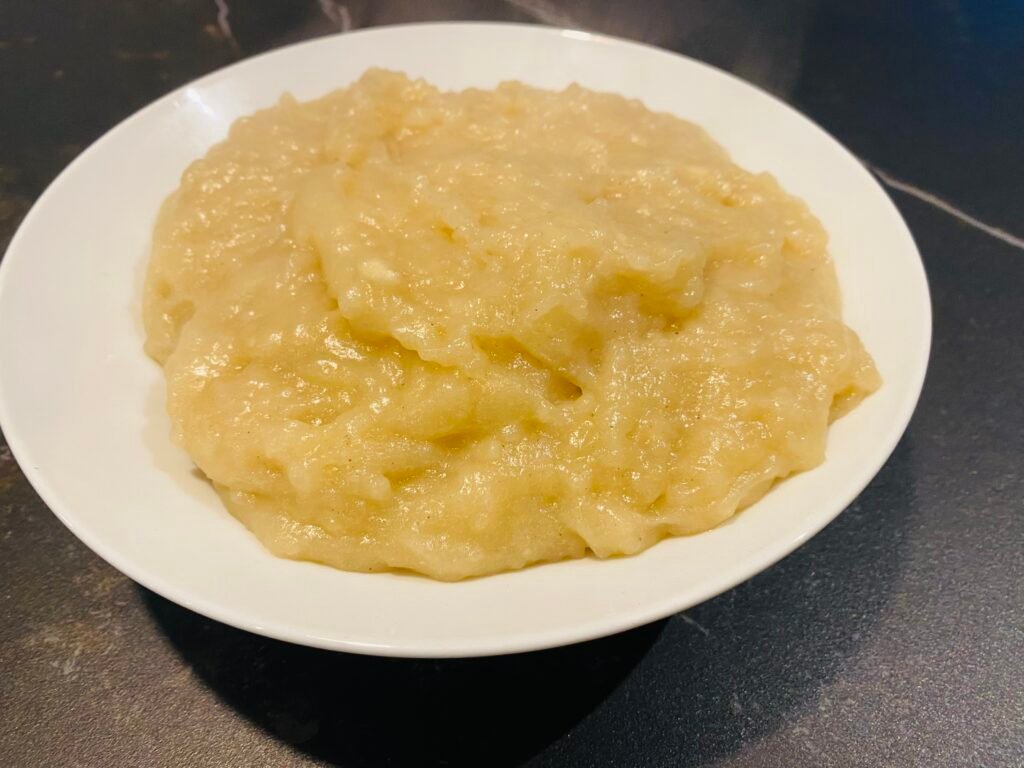
- Funje : A paste made from cassava flour, often served with meat or fish stews.
- Calulu de Peixe : A fish stew prepared with vegetables, spinach and palm oil.
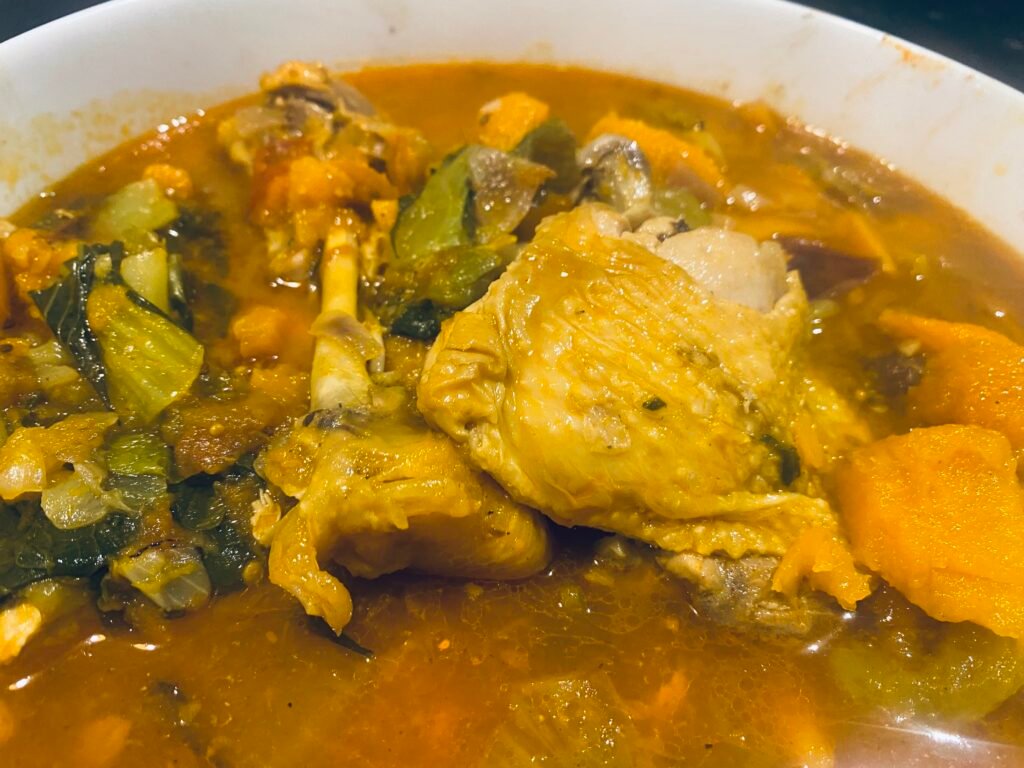
- Moamba de Galinha or Muamba: A chicken stew simmered with palm oil, vegetables and spices.
- Pirão : A cassava porridge often served alongside main dishes.
These dishes, naturally gluten-free, reflect the richness of Angolan cuisine, influenced by its African and Portuguese roots.
Must-See Attractions in Angola
Angola is a country of contrasts, offering diverse landscapes ranging from breathtaking beaches to majestic mountains. Here are a few must-see places:
- Luanda : The capital, a blend of colonial history and modernity, with its museums, markets and lively beaches.
- Kalandula Falls : Among the largest waterfalls in Africa, offering spectacular views and impressive natural scenery.
- Kissama National Park : A nature reserve home to elephants, giraffes and other wildlife.
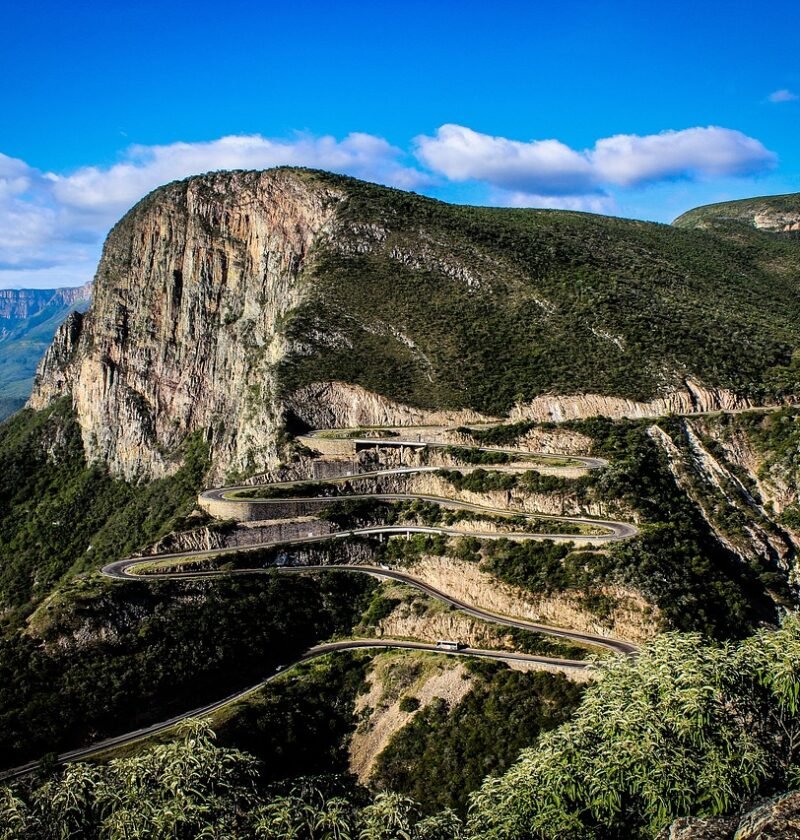
- Lubango and Serra da Leba : A mountainous region with winding roads and incredible panoramic views.
These destinations allow you to discover the natural beauty and cultural diversity of Angola.