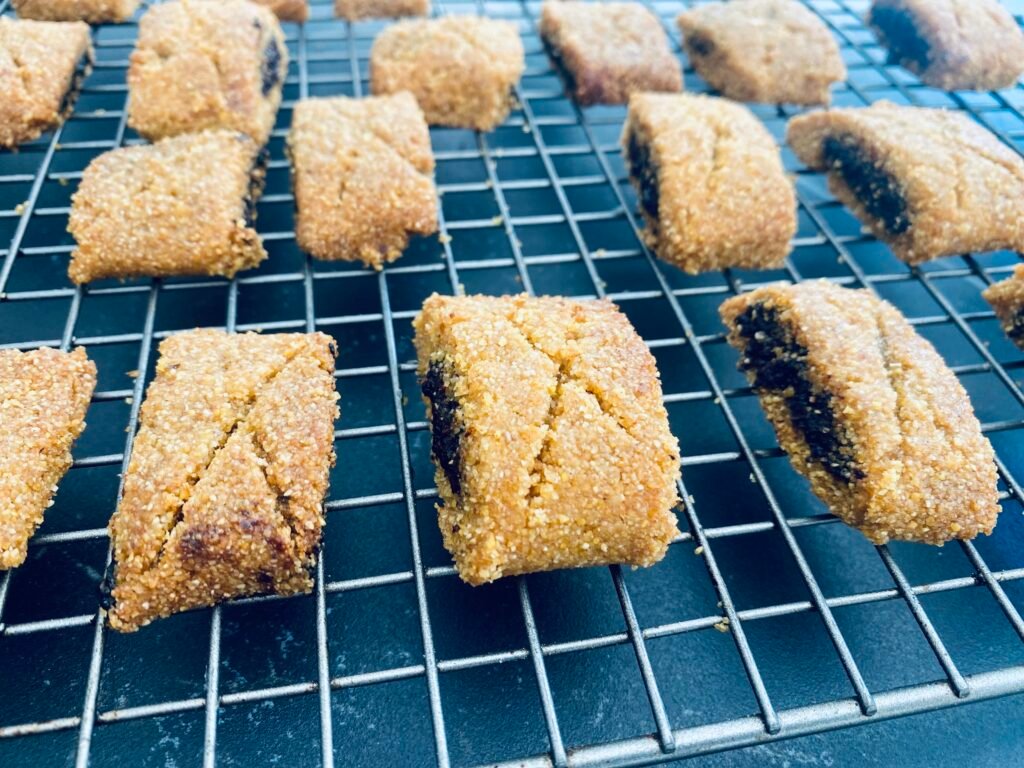
Algeria, the largest country in Africa, is a land rich in history, culture, and culinary traditions. Located in the north of the continent, it stretches from the shores of the Mediterranean to the vast expanse of the Sahara. Its cultural heritage is marked by Berber, Arab, Ottoman, and French influences, which are reflected in its customs, architecture, and cuisine. My husband's maternal family were pieds-noirs and were forced to leave Algeria with regret in 1962.
Culture and History
Algeria boasts a history spanning millennia, from the early Berber kingdoms to the Arab invasions and the period of French colonization. This complex past has forged a multicultural identity, evident in its historic cities like Algiers, the “White City,” with its whitewashed houses perched along the seafront and its kasbahs, a UNESCO World Heritage Site. Raï music, originating in the Oran region, and chaâbi, typical of Algiers, are symbols of modern Algerian culture.
Traditional Cuisine and Gluten-Free Options
Algerian cuisine offers many naturally gluten-free dishes, reflecting the richness of its local ingredients and culinary traditions. One of the most popular dishes is chorba (a traditional soup made with meat, vegetables, and chickpeas), which is perfect for a gluten-free diet when prepared without vermicelli. tajine , a type of meat or chicken stew with vegetables and spices, is also a delicious and naturally gluten-free option.
Among the must-sees:
- Chorba : A rich soup made with meat, chickpeas and vegetables, perfect for a gluten-free diet when prepared without vermicelli.
- Tajine : This meat or chicken stew with vegetables and spices, simmered slowly, is naturally gluten-free.
- Chlita : A salad of grilled peppers and tomatoes, seasoned with garlic and olive oil, offering an explosion of gluten-free flavors.
- Mechoui : A whole roasted lamb, often served on special occasions, which reveals authentic flavors thanks to the simplicity of the cooking.
- Grilled fish : Typical of the Algerian coast, fresh grilled fish is accompanied by seasonal vegetables, a tasty and gluten-free meal.
These dishes, rich in flavors and traditions, reflect the culinary diversity of Algeria while naturally adapting to a gluten-free diet.
Tourism in Algeria: Between History and Nature
Visiting Algeria is like stepping into a historical and natural adventure . Among the must-see sites, you will find:
- The Casbah of Algiers : A labyrinth of alleyways, traditional houses and historic mosques offering panoramic views of the Mediterranean.
- The Roman Ruins of Timgad and Djemila : Impressive archaeological sites, vestiges of the Roman Empire, perfect for lovers of ancient history.
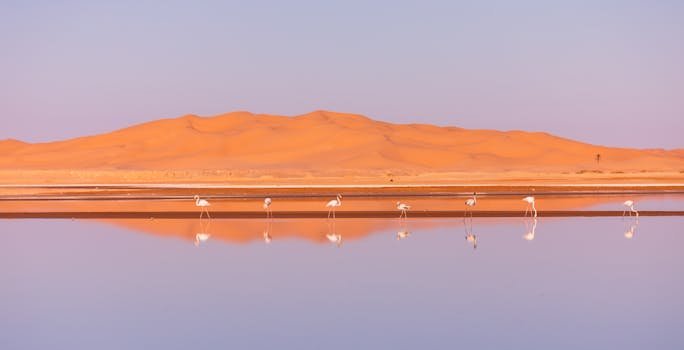
- The Sahara : Set off to discover the desert with its endless dunes and hidden oases, such as Djanet or Ghardaïa, where nomadic traditions are still alive.
- Kabylia : A mountainous region with a strong Berber culture, offering verdant landscapes and legendary hospitality.
Algeria also offers a unique experience for lovers of wide open spaces with hikes through the Atlas Mountains, excursions in the desert or stays in remote oases.