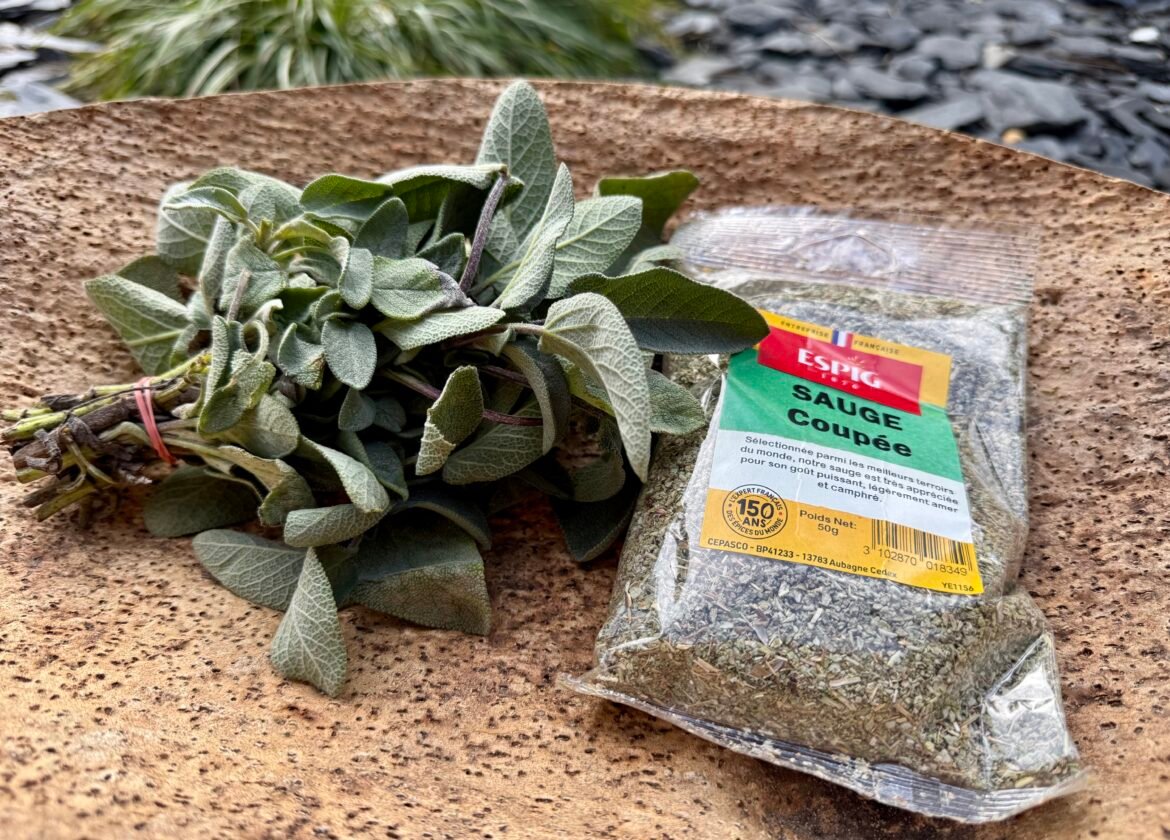
If there's one plant that deserves a place in every woman's garden (and kitchen), it's sage . Its very name comes from the Latin word salvare (to save). For us at GlutenEvasion , it's a precious ally: it's naturally gluten-free, incredibly fragrant, and possesses medicinal properties that seem to have been invented just for women.
🌍 Origin: A sacred plant from the Mediterranean Basin
Native to Southern Europe and the Mediterranean region, common sage has been used since antiquity. The Greeks and Romans considered it a sacred plant, capable of prolonging life. Today, it grows easily in our climates, provided it receives some sun and well-drained soil. It is the very essence of sunny cuisine.
💎 Nutritional properties: A small leaf, a lot of strength
Sage doesn't just smell good; it's a concentrate of active ingredients:
- Powerful antioxidants: Rich in phenolic acids and flavonoids, it fights against oxidative stress.
- Essential oils: It contains cineole, camphor and thujone (which gives it its effectiveness, but requires some caution).
- Vitamins: An excellent source of vitamin K (essential for bone health) and vitamin A.
✨ General Benefits: A natural Swiss Army knife
- Sovereign Digestion: It is unbeatable against bloating, slow digestion and abdominal spasms.
- Antiseptic: As an infusion, it works wonders against sore throats and minor mouth inflammations.
- Nerve tonic: It helps to combat temporary fatigue and improve concentration.
🌸 Menopause Focus: Your Natural “Air Conditioning”
This is where sage becomes magical. During menopause, it is the most renowned natural alternative to conventional hormone treatments for two main reasons:
- Say goodbye to hot flashes: Sage has estrogen-like properties. It mimics the action of missing hormones, which helps regulate the body's internal thermostat.
- Say goodbye to night sweats: Thanks to its antiperspirant properties, it reduces excessive sweating. A cup of infusion in the evening often helps restore dry and peaceful nights.
- Mental fog: It helps maintain mental clarity and memory, which are sometimes impaired by hormonal fluctuations.
⚠️ Important note: Due to its hormonal effects, sage is not recommended for people with a history of hormone-dependent cancers. Always talk to your doctor.
🍳 How to cook with sage?
In gluten-free cooking, sage adds a deep, woody, and slightly camphoraceous note. It has the particularity of withstanding (and even enjoying) cooking.
1. Crispy Sage (The best!)
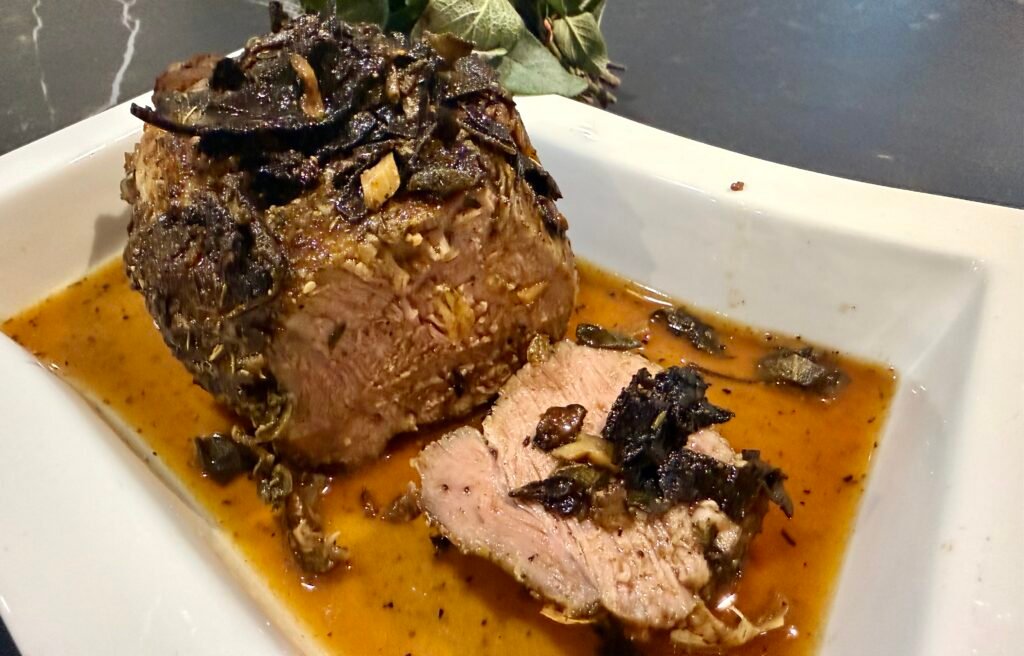
Heat a little olive oil or clarified butter (ghee) in a pan. Add fresh sage leaves and cook for 30 seconds until translucent and crisp. Place them on top of rice pasta, buckwheat pasta, or risotto. It's absolutely delicious.
2. As a medicinal infusion
Infuse 3 to 4 fresh leaves in water at 80°C for 10 minutes. Add a slice of lemon for freshness.
3. In your savory pastries
Chop it finely to incorporate into your gluten-free pie crusts or savory chickpea flour cakes. It pairs wonderfully with squash, potatoes, and poultry.
💡 GlutenEvasion's "Zero Waste" tip
Do you have too much sage in your garden or pot? Don't throw it away! Dry it upside down in a dry place. Once dry, grind it into a powder and mix it with sea salt. You'll have "Sage Salt" to season your dishes all winter long.
📖 Ready to try sage?
Whether it's to regulate your hormones or to delight your taste buds, sage is a plant that's good for you. Have you already incorporated it into your routine?
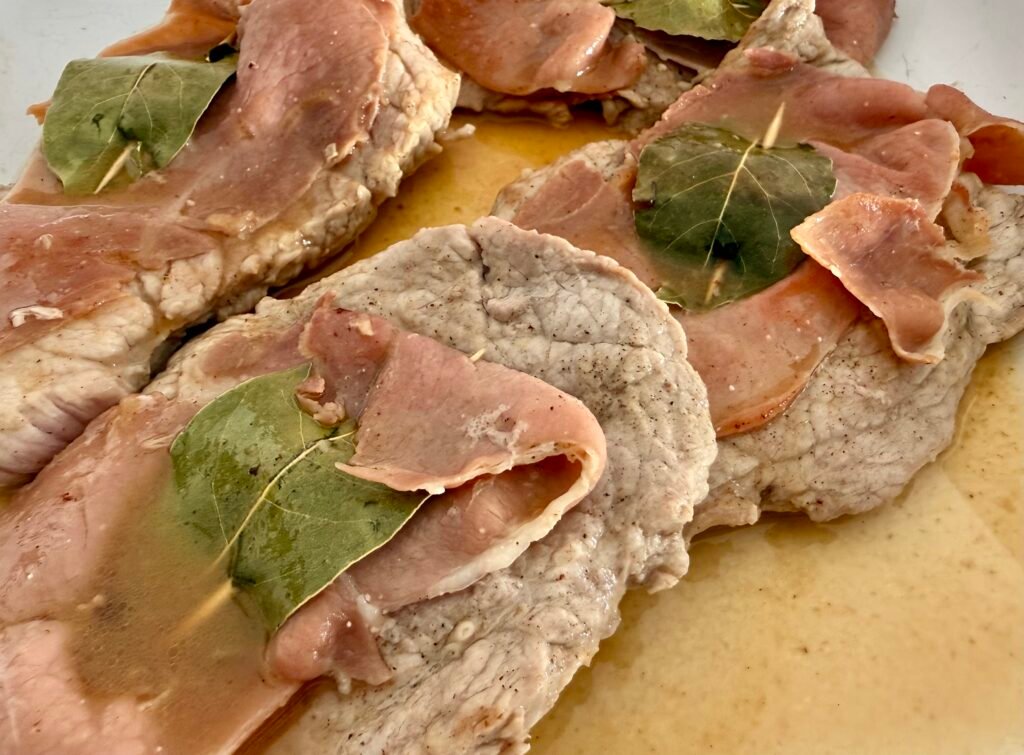
Don't go hungry! We've concocted some delicious recipes where sage is the star.
👉 Discover our recipes using sage below