
During menopause, the mirror sometimes reflects messages that unsettle us: skin that loses its firmness, thinning hair, or a decline in intimate comfort. These changes touch the very core of our femininity .
At GlutenEvasion , we know that outward radiance is simply a reflection of our inner balance. Let's explore why these changes occur and how ingredients from around the world can restore your radiance and comfort.
Why does our radiance change?
It's all about collagen and hydration .
Collagen loss
Estrogens are the driving force behind the production of collagen and elastin. Starting around perimenopause, this production drops by nearly 30%. As a result, the skin thins, becomes drier, and the tissues lose their firmness.
Dryness of the mucous membranes
The lack of hormones affects the hydration of all mucous membranes (eyes, mouth, intimate area). This is what causes this often taboo, but very common, discomfort, which can impact a couple's life and daily well-being.
Symptoms of the Radiance & Femininity pillar
- “Tissue paper” skin: Thinner skin that marks more easily and lacks elasticity.
- Hair loss and brittle nails: A loss of hair density linked to a decrease in protective hormones.
- Intimate dryness: A discomfort that can make intercourse painful or create daily irritations.
- Dull complexion: Slower cell regeneration.
World Cuisine: Your beauty elixirs
To stabilize this pillar, we will seek “hydrating” nutrients and collagen precursors.
1. Shatavari (India): The plant of femininity
In Sanskrit, Shatavari means "she who has a hundred husbands." It is the key plant in Ayurveda for moisturizing mucous membranes. It helps restore intimate comfort and skin suppleness.
- In the kitchen: Half a teaspoon of Shatavari powder in a “Moon Milk” made with almond milk and coconut sugar before going to sleep.
2. Evening Primrose Oil (North America): Women's Gold
Rich in gamma-linolenic acid (GLA), it nourishes the skin from within and helps maintain skin hydration.
- In the kitchen: Do not heat it! Use it drizzled over your salads or warm vegetables after cooking.
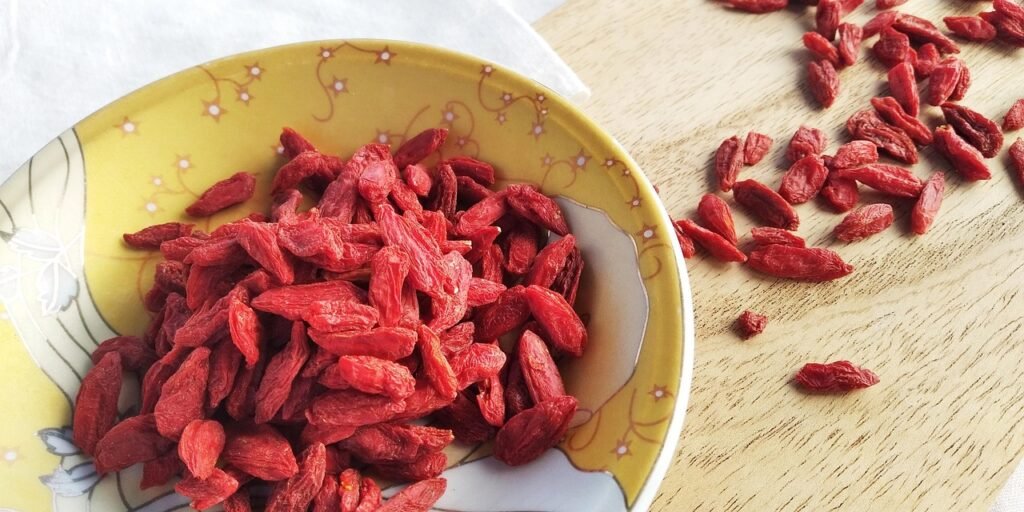
3. Goji Berries (Himalayas): The anti-aging secret
These small berries are packed with antioxidants and vitamin C, essential for your body to produce its own collagen.
- In the kitchen: Sprinkle on your gluten-free porridges or rehydrate in an infusion.
4. Bone Broth (World Tradition): Pure Collagen
It is the oldest beauty treatment in the world. Rich in amino acids and bioavailable collagen, it repairs the intestinal barrier and "plumps" the tissues.
- In the kitchen: A bowl of homemade broth (organic or homemade) at the beginning of the meal.
5. Pomegranate (Middle East): The hormonal antioxidant
Pomegranates are rich in punicalagins and rare fatty acids (punicic acid). They help protect existing collagen from breakdown and have mild estrogenic properties that support a radiant complexion.
- In the kitchen: Sprinkle the fresh seeds on your salads or use the juice (pure and without added sugar) as a sauce base.
6. Avocado (Mexico): A reservoir of Vitamin E
Avocado provides vitamin E and monounsaturated fats that make up the skin's hydrolipidic film. It's the perfect "thirst-quenching" ingredient for dry, menopausal skin.
- In the kitchen: As a sweet mousse with coconut sugar and cocoa, or simply sliced on a buckwheat toast.
7. Brazil Nuts (Amazon): The Selenium Shield
Just one nut a day is enough to cover your selenium needs, a trace element that protects skin elasticity and supports the thyroid, often linked to hair quality.
- In the kitchen: Crush it over plant-based yogurt or incorporate it into your gluten-free travel cakes.
Why does gluten-free food save your skin?
This is where the link with the work of Dr. Alessio Fasano is most visible. If gluten creates intestinal permeability ( leaky gut ), toxins pass into the blood and end up being eliminated through… the skin!
Skin inflammation (redness, extreme dryness) is often a sign of an inflamed gut. By eating gluten-free, you free up your digestive system, allowing nutrients (vitamins, healthy fats) to directly nourish your hair and skin instead of being used to quell the inflammation in your gut.
📚 Scientific sources in brief
- On estrogens and collagen: Dermato-Endocrinology, 2013. “Skin ageing and menopause”.
- On Shatavari and hydration: Journal of Herbal Medicine, 2018. Clinical studies on female reproductive health.
- On the Gut-Skin axis: Fasano A. “Zonulin and its involvement in chronic inflammatory diseases.” Physiological Reviews, 2011.
- A study published in the journal “Nutrients” confirms that pomegranate polyphenols and essential fatty acids from avocado significantly improve skin hydration and skin barrier function in mature women.
Disclaimer: The information in this article is shared for educational purposes. For any persistent dermatological or gynecological problems, consult a specialist.