Fresh herbs and lemon are staples in global cuisine, adding flavor to countless dishes, especially gluten-free recipes. However, they can quickly lose their freshness if stored improperly. Here are some simple and effective tips to extend their shelf life and reduce waste, while preserving their optimal flavor for your culinary creations.
How to store fresh herbs?
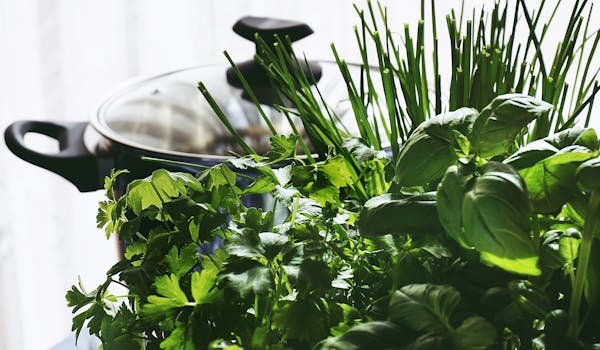
- Herbs in a vase of water: Herbs like parsley, cilantro, or basil can be preserved just like flowers! Trim the stem ends and place them in a glass of water, changing the water every two days. Cover the leaves with a plastic bag and store in the refrigerator for extended freshness.
- Wrap in damp paper: For other herbs such as thyme, rosemary, or mint, wrap them in a slightly damp cloth or paper towel. This will help retain moisture without making them soggy. Then place the herbs in an airtight bag or glass container before storing them in the refrigerator.
- Freezing herbs: If you have a large quantity of fresh herbs, freezing is an ideal option. To do this, chop the herbs and divide them among ice cube trays. Cover them with olive oil or water before freezing. This way, you can use portions of herbs throughout the year, adding them directly to your dishes while they are cooking. You can also wash and dry them, then place them in a freezer bag and freeze them.
- Drying herbs: You can also dry certain herbs such as rosemary, thyme, or oregano. Use your dehydrator or hang them upside down in a dry, well-ventilated place for one to two weeks, then store them in airtight jars for later use.
How to store lemons?
- Storing a whole lemon: If you don't need to cut your lemon right away, leave it at room temperature for a few days. For longer storage, put it in the refrigerator's crisper drawer. It can stay fresh for up to 2 to 3 weeks.
- Storing lemon halves: Once cut, lemons tend to dry out quickly. To prevent this, place the lemon half, cut-side down, on a small plate or wrap it in plastic wrap before refrigerating. This helps preserve its juice and flavor for a few days.
- Freezing the juice and zest: To avoid waste, consider freezing the lemon juice and zest. Squeeze the lemons and pour the juice into an ice cube tray. As for the zest, simply grate it and freeze it in airtight bags. These portions will be perfect for adding a touch of acidity and freshness to your dishes anytime.
- Freezing kaffir limes: I buy them in packs of 2 or 3 and put them directly in my freezer. Since I only use the zest, and only a little at a time, I give it a quick grating or peeling, and then put it back in the freezer.
Conclusion
Whether you want to preserve fresh herbs for salads or marinades, or keep lemons fresh to enhance your dishes, these simple tips will allow you to enjoy their flavor for longer. By optimizing the storage of these essential ingredients, you'll also reduce food waste and make preparing your recipes easier every day.