
I'm not going to lie about my age: I'm 52, so I'm fast approaching menopause. I'd never really thought about it before, but looking back, the answer is obvious: I became gluten intolerant when I was 46 or 47, right at the beginning of perimenopause. Fact or fiction?
Menopause is a major transition that deserves special attention. Given the difficulty of measuring hormone levels, the fact that every woman experiences different symptoms at different times, and that TSH testing is only possible quite late and, above all, only if there are no pre-existing medical conditions that prevent it, I've chosen to believe that certain ingredients from around the world are true allies in navigating this period with both ease and energy. As you know, I'm convinced that diet is our primary tool for helping our body and mind thrive, and especially for experiencing the onset of menopause in the best possible way. But going gluten-free is just the beginning of the journey. To soothe hormonal symptoms and achieve lasting balance, I've chosen to explore the nutritional secrets of the five continents.
💡 Did you know? Gluten intolerance and perimenopause
It's common to develop gluten sensitivity or intolerance during perimenopause. Why? Because the drop in estrogen weakens the intestinal barrier (leaky gut). Foods you previously tolerated can suddenly cause bloating, fatigue, or joint pain. Even without celiac disease, eliminating gluten becomes a powerful way to alleviate your overall symptoms.
Menopause is often perceived as an end, when it is simply a new season of life . Understanding what is happening in our bodies is key to experiencing this stage not as a burden, but as a rebirth.
What is it really? Why do these changes occur? Let's explore together this journey through the 5 pillars of your well-being.
Understanding the “What” and the “When”
What is menopause?
It's a natural physiological process. Menopause is officially defined as occurring after 12 consecutive months without a period . Technically, your ovaries stop producing eggs and the secretion of hormones (estrogen and progesterone) drops drastically.
When does it begin?
On average, it occurs around age 51 , but the transition phase (perimenopause) can begin as early as age 40. Every woman is unique: your genetics, lifestyle, and overall health dictate your own timeline.
The 5 Pillars of Symptoms: Understanding the “Why”
The drop in estrogen doesn't just stop your cycles; it impacts receptors throughout your body: from the brain to your bones, including your skin. Here's how this manifests according to the 5 pillars of GlutenEvasion :
1. Bone Health: Muscle and Joint Pain
- The sensation: A feeling of “rustiness” upon waking or diffuse pain in the knees and fingers.
- The explanation: Estrogens act as a lubricant and a natural anti-inflammatory for your connective tissues. Without them, inflammation increases and bone density decreases, making the body more sensitive to shocks and movements.
2. Hormonal Balance: Hot Flashes
- The sensation: A sudden wave of heat, often accompanied by night sweats.
- The explanation: It's a malfunction of the internal "thermostat." The lack of estrogen disrupts the hypothalamus (the area of the brain that regulates temperature). It then interprets this as the body overheating and triggers vasodilation to cool you down for no apparent reason.
3. Body Shape and Digestion: Weight and Blood Sugar
- The feeling: Weight gain localized around the stomach and slower digestion.
- The explanation: Your metabolism slows down and your body becomes less sensitive to insulin. Instead of burning energy, it stores sugar as abdominal fat. A gluten-free, low-glycemic diet becomes your best ally here.
4. Radiance and Femininity: Hair, skin, and intimate comfort
- The sensations: Thinning skin, hair loss and vaginal dryness.
- The explanation: Hormones are the guardians of collagen. Their drop leads to a decrease in skin elasticity and mucous membrane hydration. It's time to nourish your body from within.
5. Energy and Vitality: Fatigue and Mental Fog
- The feeling: A deep fatigue and this sensation of “brain fog” (difficulty concentrating).
- The explanation: Estrogen stimulates the release of happiness hormones (serotonin and dopamine). A drop in estrogen levels, combined with disrupted sleep, leads to nervous exhaustion. The brain must learn to function with a new chemical rhythm.
What solutions are available to you?
The medical approach: Chemical solutions
Hormone replacement therapy (HRT) can be very helpful for severe symptoms. It involves administering hormones (often bioidentical) to compensate for the deficiency. Note: Discuss this with your doctor to assess whether this option is suitable for your medical history.
Therapeutic cooking: Your ingredients from around the world
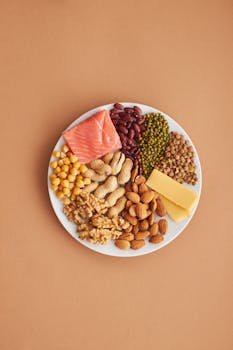
The world is full of treasures to ease this transition smoothly, and I will present them to you for each pillar in the following articles.
GlutenEvasion's little tip
Adopting a gluten-free diet rich in healthy fats (Omega-3) helps reduce systemic inflammation. By taking care of your gut, you help your body better metabolize its remaining hormones!
Taking care of your diet means taking care of your hormones. By combining a gluten-free with these superfoods from around the world , you give your body the tools it needs to navigate this transition smoothly and radiantly.
Listen to your body: This stage is not inevitable, it is an invitation to slow down and pamper yourself more.

Radiance and Femininity: Glowing from Within During Menopause

Energy and Vitality: Regaining Dynamism After 50
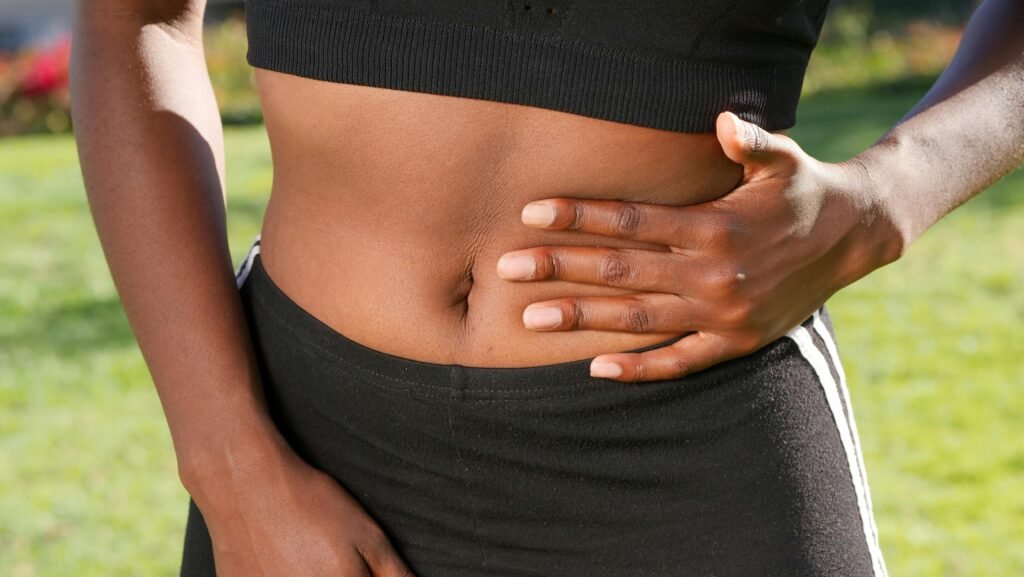
Body Shape and Digestion: Why Menopause Changes Our Body (and How to Adapt to It)
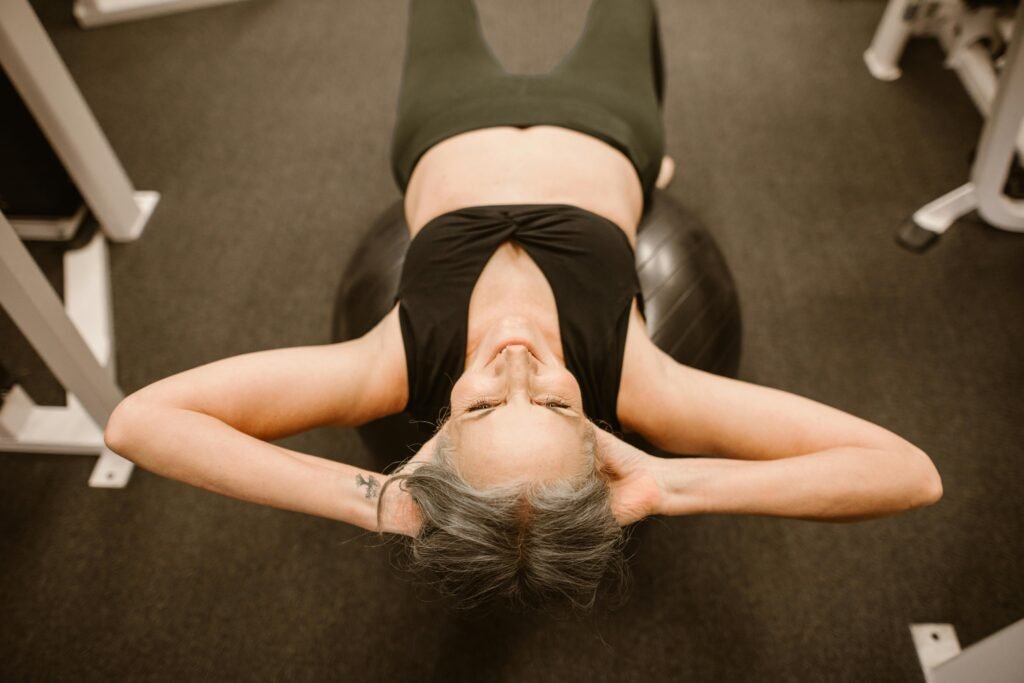
Hormonal Balance and Menopause: Taming Inner Storms with World Cuisine

Menopause: How to Get Through This Transition Serenely?