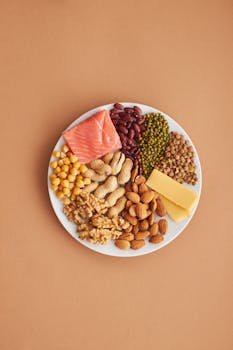
When you decide to eliminate gluten from your diet, it's important to compensate for the nutrients and foods often found in gluten-containing grains. Here are some recommendations to avoid deficiencies and maintain a balanced diet:
1. Fibers :
Gluten is found primarily in wheat, rye, and barley, which are also important sources of fiber. Fiber is essential for digestion and gut health. To compensate, opt for naturally gluten-free alternatives, such as:
- Quinoa
- Brown rice
- Chia seeds
- Legumes (lentils, chickpeas)
- Fruits and vegetables rich in fiber (such as apples, pears, and green vegetables)
2. B vitamins :
Fortified cereals containing gluten are often a significant source of B vitamins (such as thiamine, riboflavin, niacin, and folic acid). To avoid deficiencies, you can include the following in your diet:
- Certified gluten-free oats
- Flax seeds
- Legumes
- Nuts and seeds
- Vitamin B supplements, if necessary
3. Proteins :
Whole grains like wheat also provide protein. You can maintain a good protein intake by consuming:
- Eggs
- Lean meats, fish
- Legumes (beans, lentils)
- Nuts, seeds and tofu
4. Minerals :
Some gluten-containing foods are rich in iron, zinc, and magnesium. To compensate for this deficiency, choose:
- Seafood and shellfish
- Spinach, kale
- Pumpkin seeds, almonds
- Lentils, beans
By adopting these alternatives, you can eliminate gluten without compromising the nutritional balance of your diet.