
If there's one symptom that's often discussed with reticence, it's this fatigue that seems to set in for no reason, accompanied by the infamous "brain fog ." We feel like we're moving in slow motion, searching for words, or losing that spark of vitality that used to define us.
At GlutenEvasion , we know that energy isn't just about sleep; it's about internal chemistry. Let's see how to reignite that spark with ingredients from around the world and a strategically planned gluten-free diet.
Why does our energy fluctuate?
It's not "in your head", it's in your cells and neurons.
The drop in neurotransmitters
Estrogens are true brain boosters. They stimulate the production of serotonin (mood) and dopamine (motivation/energy). When their levels drop, communication between your neurons slows down, creating that feeling of confusion or "memory lapses."
Adrenal stress
Since the ovaries produce fewer hormones, your adrenal glands take over. If you are stressed or consume inflammatory foods, your adrenal glands become exhausted. The result: chronic fatigue that even 10 hours of sleep isn't enough to remedy.
Symptoms of the Energy & Vitality Pillar
- Brain Fog: Difficulty concentrating, frequent forgetfulness, feeling like your head is "in cotton".
- The “Overwhelming” Fatigue: Exhaustion upon waking or a collapse of energy around 4pm.
- Sleep disorders: Difficulty falling asleep or nighttime awakenings related to anxiety.
- Decreased motivation: A loss of enthusiasm for usual activities.
World Cuisine: Your Natural Fuels
To stabilize this pillar, we will seek “adaptogenic” ingredients that help the body manage stress and nutrients that boost the brain.
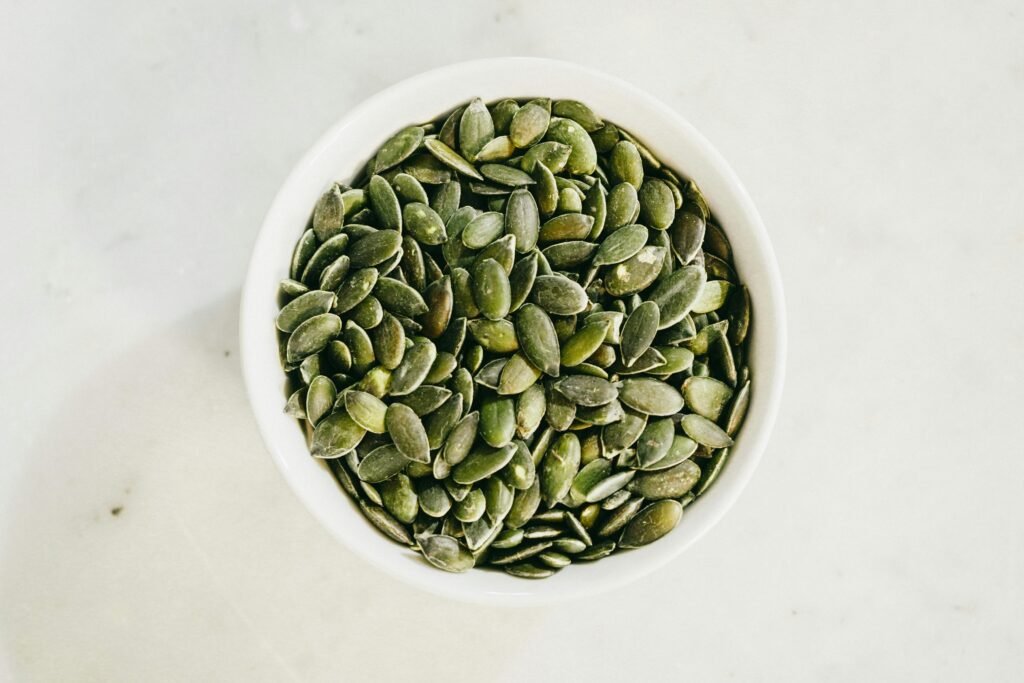
1. Pumpkin Seeds (Americas): A Reservoir of Magnesium
Magnesium is the fuel for your cellular “energy factories”. They also contain tryptophan, a precursor to the feel-good hormone.
- In the kitchen: Sprinkle all over your gluten-free dishes for a revitalizing crunch.
- Actual effect: Essential for combating irritability and debilitating fatigue.
2. Nettle (Europe): The forgotten remineralizing agent
Nettle is a concentrated source of iron and essential minerals.
- Actual effect: It combats anemia and profound fatigue by replenishing your mineral reserves.
- In the kitchen: As a daily infusion or as a creamy soup for a light and nutritious dinner.
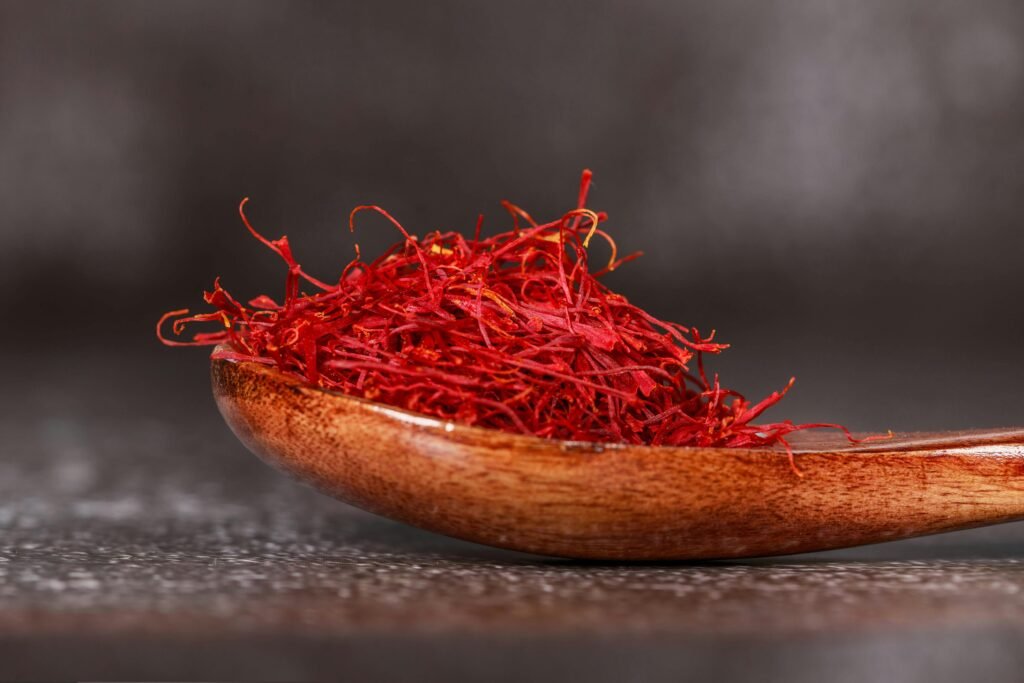
3. Saffron (Middle East): The spice of happiness
Saffron is clinically recognized for its effect on serotonin. It helps to clear mental fog and stabilize mood.
- In the kitchen: Infuse a few pistils in your (gluten-free) rice or in a vegetable bouillabaisse.
4. Raw Cacao (Latin America): Pure magnesium
Raw (unroasted) cacao is a rich source of magnesium and theobromine. It boosts concentration without the jittery effect of coffee.
- In the kitchen: Sprinkle cocoa nibs (cocoa bean flakes) on your fruit or in your homemade granola.
5. Guarana (Amazon): Awakening without the crash
Unlike coffee, which can trigger hot flashes, Guarana releases its caffeine slowly.
- Actual effect: It offers stable alertness to clear the “mental fog” without agitation.
- In the kitchen: A pinch of powder in fresh fruit juice or plant-based yogurt in the morning.
Gluten-Free: The Secret to Mental Clarity
This is where the work of Dr. Alessio Fasano becomes truly relevant to your vitality. Gluten, by increasing intestinal permeability, triggers inflammation that reaches the brain: this is neuroinflammation .
When your gut is inflamed, your immune system mobilizes all your energy to fight off the intruders. By eliminating gluten, you free up this energy! Many GlutenEvasion report that the "brain fog" lifts in just a few weeks after stopping gluten, because the brain is no longer "attacked" by the inflammatory molecules produced during digestion.
📚 Scientific sources in brief
- On the Brain Fog and gluten: Fasano A. “Non-Celiac Gluten Sensitivity: Piecing the Puzzle Together.” Mayo Clinic Proceedings, 2011.
- On Ashwagandha and Stress: Cureus Journal of Medical Science, 2019. “A Study of the Efficacy of Ashwagandha Root Extract in Focus and Stress.”
- On Saffron and Mood: Journal of Ethnopharmacology. Meta-analysis on the efficacy of saffron in mild to moderate mood disorders.
Warning: If your fatigue is accompanied by extreme paleness or dizziness, consult a doctor to check your iron and vitamin B12 levels, which are often fragile at this time.