
If there's one change that often baffles us during menopause, it's the change in our figure . We feel like our metabolism is changing its rules of the game: weight shifts towards the abdominal area and digestion seems more erratic.
At GlutenEvasion , we know that this pillar is intimately linked to what we put on our plate. Let's explore why these changes occur and which ingredients from around the world can help you regain comfort and lightness.
Why does the silhouette change?
It's not just a question of calories, it's a question of hormonal signals .
Insulin resistance
With the drop in estrogen levels, our bodies become less efficient at converting sugar into energy. Instead of being burned by the muscles, glucose is more easily stored as fat, primarily around the abdomen. This is what is known as "visceral fat".
The slowdown of transit
Hormones also regulate the speed at which food travels through your digestive tract. Fewer hormones often mean slower transit, leading to bloating and a feeling of heaviness.
Symptoms of the Silhouette & Digestion Pillar
- The abdominal “spare tire”: A targeted gain in volume on the abdomen, even without changing diet.
- Frequent bloating: Digestion that is often accompanied by gas or a swollen stomach after meals.
- Sugar cravings: Spikes and drops in blood sugar that cause cravings that are difficult to control.
- Intestinal discomfort: Increased sensitivity to certain foods, including gluten.
Sugar: The false friend of menopause
At menopause, our tolerance to carbohydrates changes. Due to the drop in estrogen, our body becomes less sensitive to insulin.
The problem with refined sugar: White sugar, processed syrups, and white flour (even gluten-free!) cause insulin spikes. Insulin is the storage . As long as it's high, your body can't burn fat and stores it primarily around your abdomen. Furthermore, these sugars "feed" bad bacteria, causing that dreaded bloating at the end of the day.
The idea isn't to eliminate all pleasure, but to choose sugars that don't spike your insulin and provide nutrients. Don't confuse "brown" sugar from the supermarket (which is often white sugar colored with caramel) with true whole grains .
These sugars have not undergone any industrial processing. They therefore retain the molasses , which makes all the difference for your metabolism and your "Silhouette and Digestion" pillar.
Did you know? Whole cane sugar is a "living" sugar. Unlike white sugar, which depletes your body of minerals, whole cane sugars like Rapadura or Muscovado retain their molasses. They provide the magnesium and iron necessary for your energy. Because they are more complex, they prevent the blood sugar spike that often triggers cravings and hot flashes.
Opt for unrefined "good sugars"
- Coconut Sugar (Southeast Asia): Its glycemic index (GI) is much lower than white sugar. It contains minerals (potassium, zinc) and inulin, a fiber that nourishes your healthy gut microbiota.
- Yacon Syrup (Peru): Extracted from a tuber in the Andes, it's a favorite for a flat stomach. Rich in fructo-oligosaccharides, it sweetens without raising blood sugar and acts as a powerful prebiotic.
- Manuka or Forest Honey (Worldwide): Unlike pure sugar, raw honey contains enzymes and antioxidants. Use in moderation due to its healing properties on the intestinal lining.
- Rapadura (Brazil): This is pure sugarcane juice, air-dried. It is never heated to high temperatures, thus preserving its vitamins. It has a delicious caramel and licorice flavor.
- Muscovado (Mauritius): Very dark and moist, it contains a high amount of molasses. It is exceptionally rich in antioxidants, which helps fight cellular inflammation.
- Jaggery (India): Used in Ayurveda, it is believed to have digestive and purifying properties for the respiratory tract.
World Cuisine: Your Metabolic Allies
To stabilize this pillar, we will seek ingredients that boost metabolism and calm intestinal inflammation.
1. Ceylon Cinnamon (Sri Lanka): The Sugar Tamer
Cinnamon is excellent for improving insulin sensitivity. It helps your body better manage sugar, thus preventing fat storage.
- In the kitchen: A pinch in your plant-based yogurt or on cooked apples is enough to regulate your blood sugar.
2. Fennel (Mediterranean Basin): The friend of a flat stomach
Rich in gentle fibers and essential oils, it aids digestion and directly combats bloating.
- In the kitchen: To be eaten raw in salads for its crunchiness or braised with a drizzle of Tamari for an umami taste.
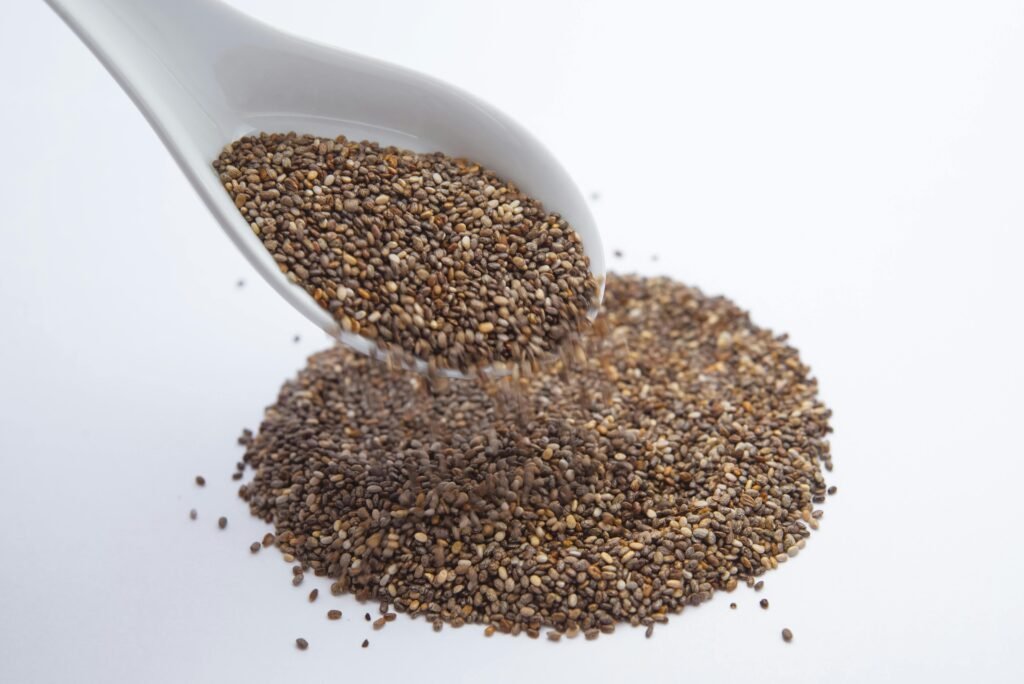
3. Chia Seeds (Latin America): The intestinal broom
Their richness in mucilaginous fibers helps to gently regulate transit and provides a lasting feeling of satiety, ideal for avoiding snacking.
- In the kitchen: As a pudding with coconut milk for a breakfast that won't spike your insulin.
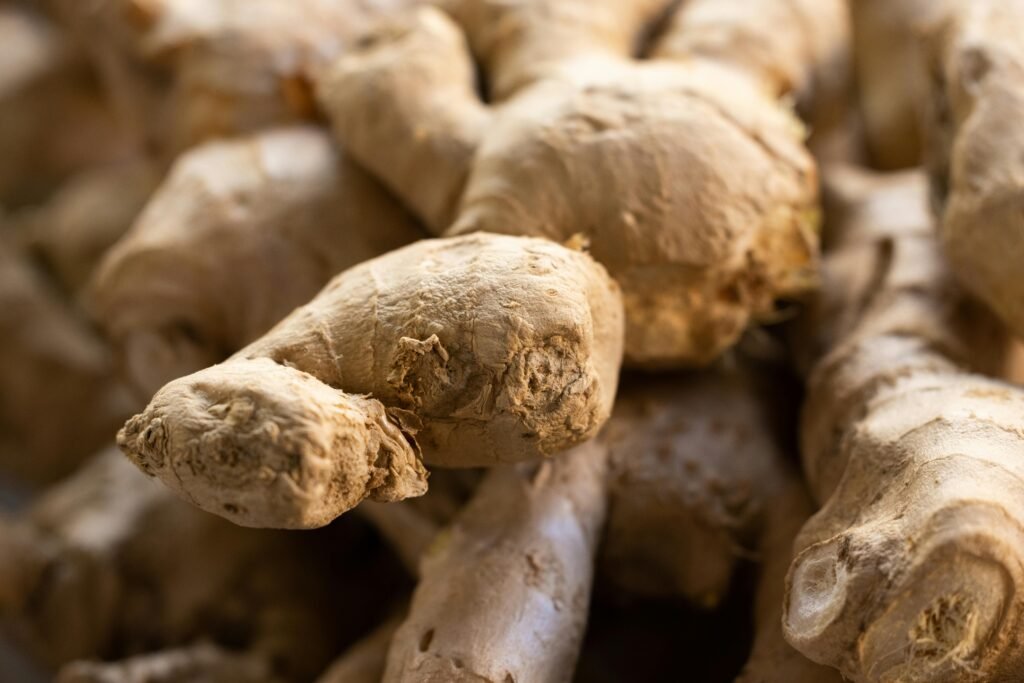
4. Ginger (Asia): Digestive fire
It stimulates digestive enzymes and accelerates gastric emptying, thus avoiding that feeling of heaviness after a meal.
- In the kitchen: Freshly grated in hot lemon water in the morning or in your vegetable stir-fries.
The major impact of gluten-free diets on this pillar
GlutenEvasion lifestyle choice Dr. Alessio Fasano explains , gluten promotes intestinal permeability. A leaky gut sends warning signals to the liver, which, in response, promotes the storage of visceral fat to protect itself.
By eliminating gluten and replacing white sugar with the beneficial foods mentioned above, you reduce inflammation. Your stomach naturally deflates, and your body begins to use its reserves more efficiently.
📚 Scientific sources in brief
- On gluten and metabolism: Freire R, et al. “Scientific evidence for the role of gluten-free diet in weight management.” Nutrients, 2017.
- On cinnamon and blood sugar: Qin B, et al. “Cinnamon extract regulates plasma levels of adipose-derived factors and ameliorates insulin resistance.” Hormone and Metabolic Research, 2010.
- On intestinal permeability (Zonulin): Fasano A. “All disease begins in the leaky gut: role of zonulin-mediated gut permeability.” F1000Research, 2020.
- On sugar and visceral fat: The Journal of Clinical Endocrinology & Metabolism, 2020.
- On coconut sugar and insulin: Journal of Functional Foods, 2017.
- A study published in the Journal of Food Science and Technology demonstrates that unrefined sugars (like Jaggery) possess antioxidant and cytoprotective properties that white sugar does not have, thus helping to better manage oxidative stress related to menopause.
Disclaimer: The information in this article is shared for educational purposes. For personalized nutritional guidance, please consult a nutritionist or registered dietitian.