
Good news for those who suspect they have celiac disease but are hesitant to get tested again: a new blood test could now provide a reliable diagnosis without reintroducing gluten into the diet. A major breakthrough for millions of people waiting for answers.
🍞 Why is this a revolution?
Until now, standard tests (blood tests and biopsies) were only reliable if the patient consumed gluten for several weeks before the test. This forced people who had already adopted a gluten-free diet to relapse into digestive discomfort and inflammation —a real obstacle to diagnosis.
But a team of Australian researchers from WEHI (Walter and Eliza Hall Institute of Medical Research) , in partnership with Novoviah Pharmaceuticals , published a game-changing Gastroenterology .
🧪 How does this new test work?
This innovative test is based on a very specific immune response: the detection of interleukin 2 (IL-2) in the blood after in vitro contact with gluten , without the patient having to consume any.
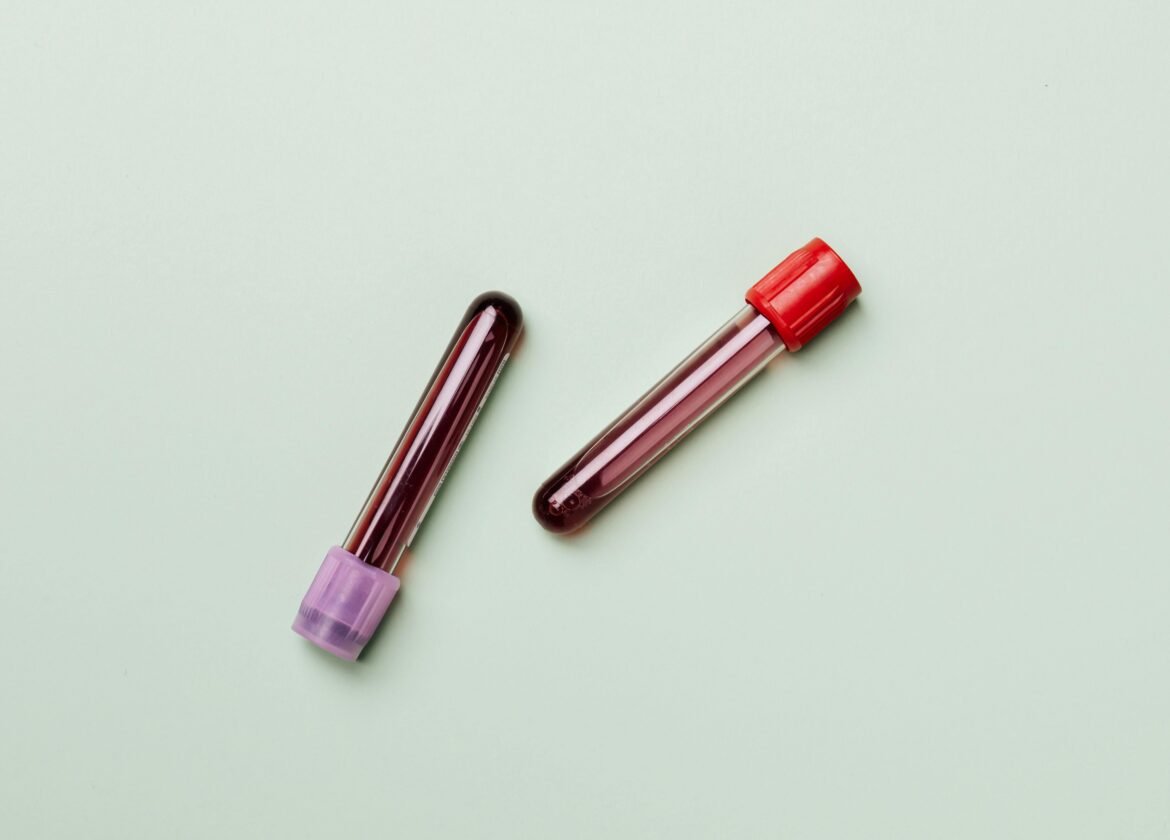
In practice, the researchers take a simple blood sample, then add gluten to a test tube . If the person has celiac disease, their immune system reacts by producing IL-2, a measurable signal.
📈 Promising results
The performance of this test is remarkable:
- 90% sensitivity : it correctly detects celiac disease in patients.
- 97% specificity : it avoids false positives.
- It even works for people who have been strictly gluten-free for years.
- It does not produce false positives in people with other autoimmune diseases (such as type 1 diabetes or Hashimoto's thyroiditis).
💡 What this changes in concrete terms
- painful and risky provocation tests
- Faster and more accessible diagnosis , even for those who have stopped eating gluten without medical supervision.
- Assessment of the severity of reactions to gluten , according to the intensity of the immune response.
- Possibility of diagnosing silent forms, even without visible digestive symptoms .
🌍 Awaiting deployment in France
This test is not yet available in French analytical laboratories because it relies on a highly sensitive detection technology still reserved for research. However, researchers hope for clinical implementation in the coming years , starting with specialized centers.
📚 References and sources
- Landmark test for celiac disease promises to take away the pain of diagnosis , WEHI & Novoviah Pharmaceuticals, published June 10, 2025.
- Study published in the journal Gastroenterology (2025), accessed via WEHI.org.au.
- Quotes from Professor Jason Tye-Din, head of the celiac disease laboratory at the Royal Melbourne Hospital.