History and Culture:
Belgium is a small country in the heart of Europe, marked by the meeting of different cultural identities. Between Dutch-speaking Flanders, French-speaking Wallonia, and the bilingual Brussels region, the country is rich in influences. Belgium has a history linked to trade, the arts, and medieval architecture. Its cities are vibrant, welcoming, and often centered around conviviality: lively cafes, Christmas markets, historic squares, and local festivals. The Belgian spirit is characterized by humor, simplicity, and the pleasure of good food, without pretension.
Traditional Gastronomy and Gluten-Free Options
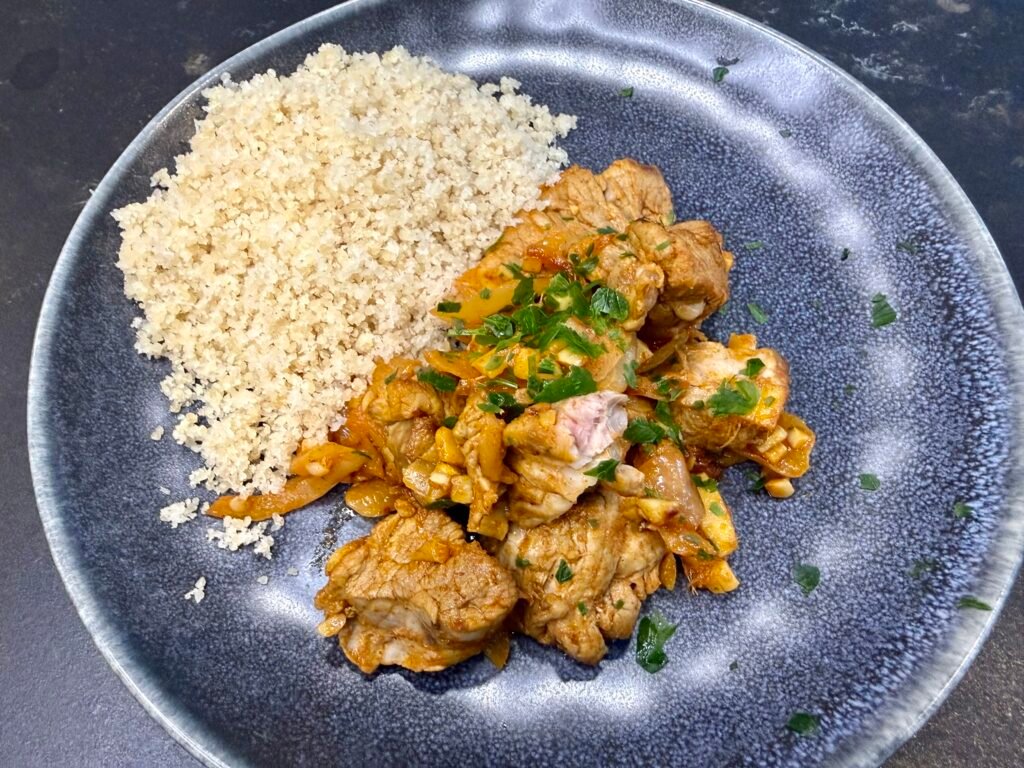
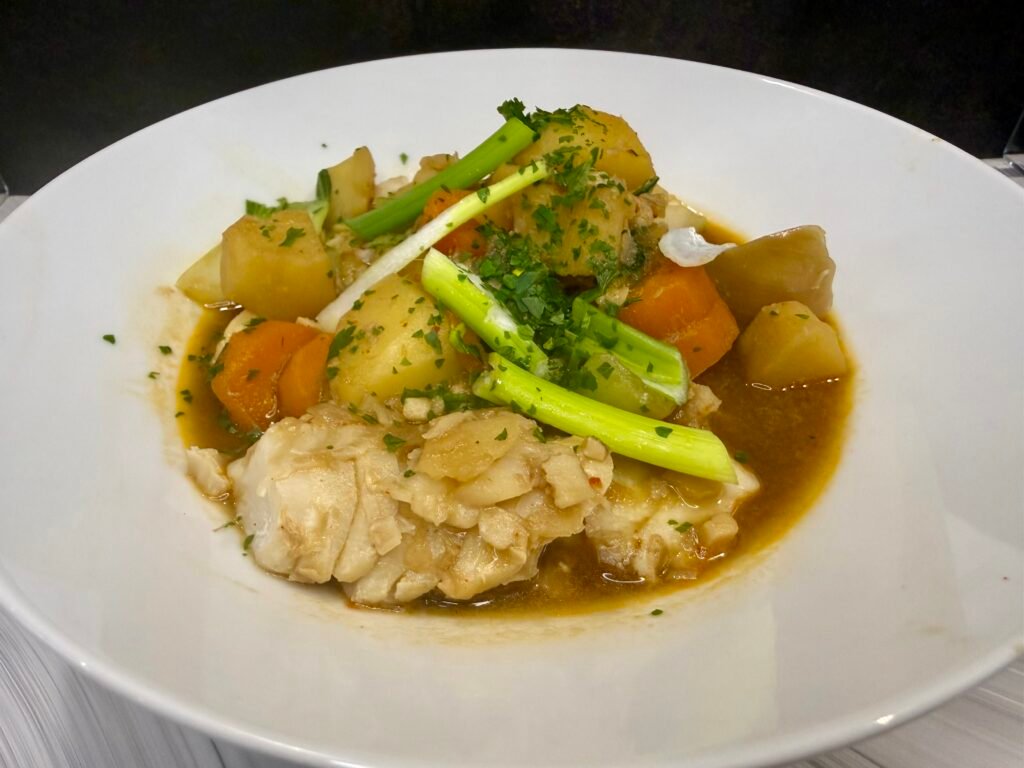
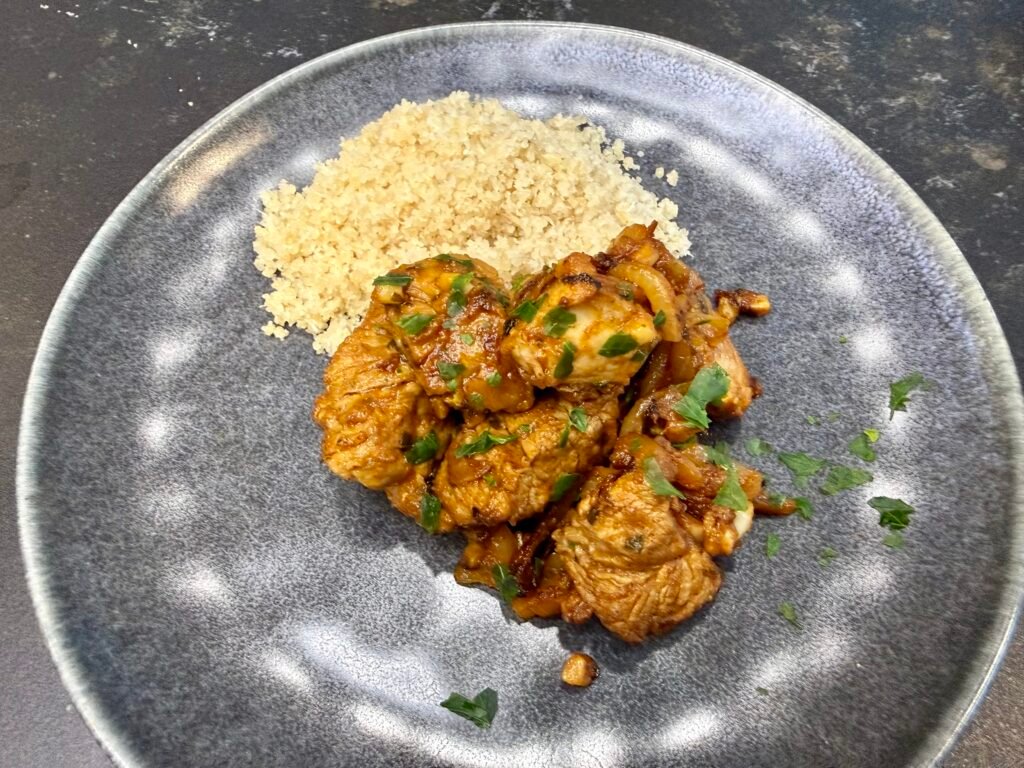
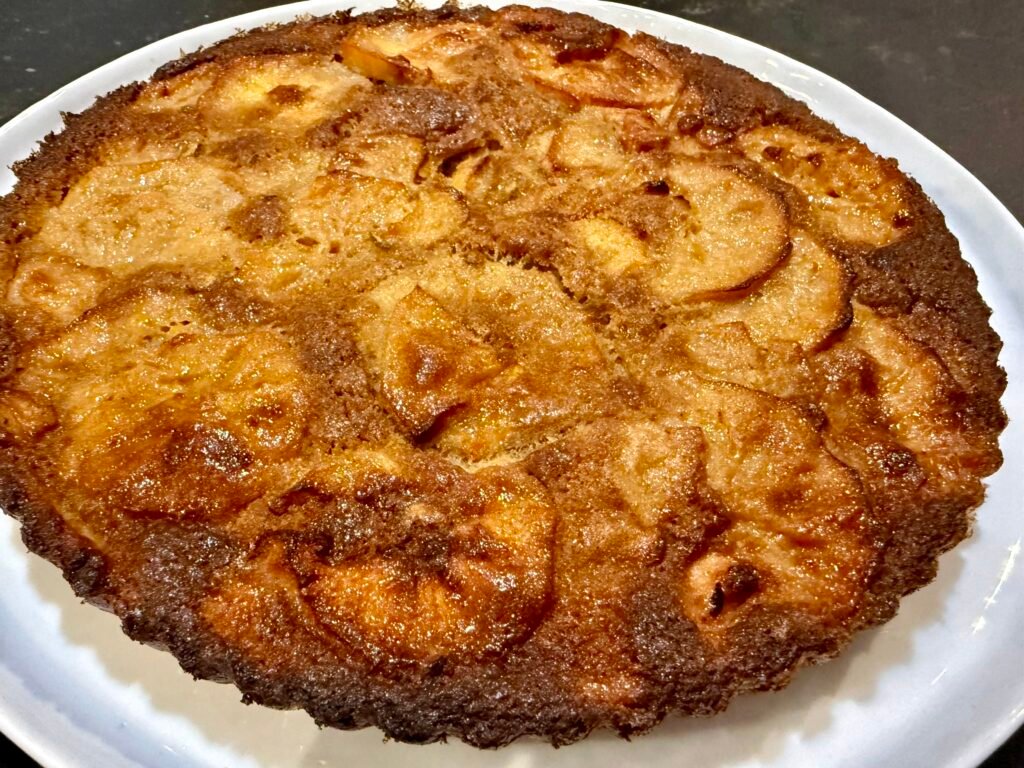
: Belgian cuisine celebrates hearty and comforting dishes: Flemish carbonnade , stoemp , waterzooi ( , moules-frites (mussels and fries ), and of course, the famous waffles . Many traditional dishes rely on simple ingredients: potatoes, stewed vegetables, butter, beer, and braised meats. For a gluten-free diet, it's important to check sauces, breadings, and beers, but more and more restaurants are offering alternatives. Moules -frites , stews , homemade soups , cheeses , and steamed dishes are often easy to adapt. Specialized gluten-free bakeries are also booming in Brussels, Antwerp, and Liège.
Must-see destinations
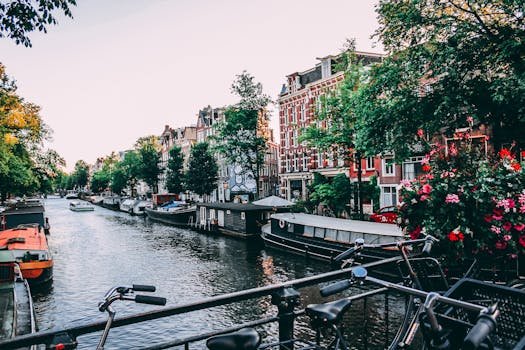
: Belgium offers a wide variety of landscapes and atmospheres within a few hours' drive. Brussels captivates with its Grand-Place , its museum district, and its Art Nouveau buildings. Bruges, nicknamed the "Venice of the North," charms with its canals, cobbled streets, and medieval facades. Ghent and Antwerp combine artistic dynamism with historical heritage. In Wallonia, the Ardennes invites you to hike and explore its stone villages. Finally, the Belgian coast, with its long beaches and small seaside towns, is ideal for breathing in the fresh sea air.